
Why Can't You Have Lithium Batteries On A Plane
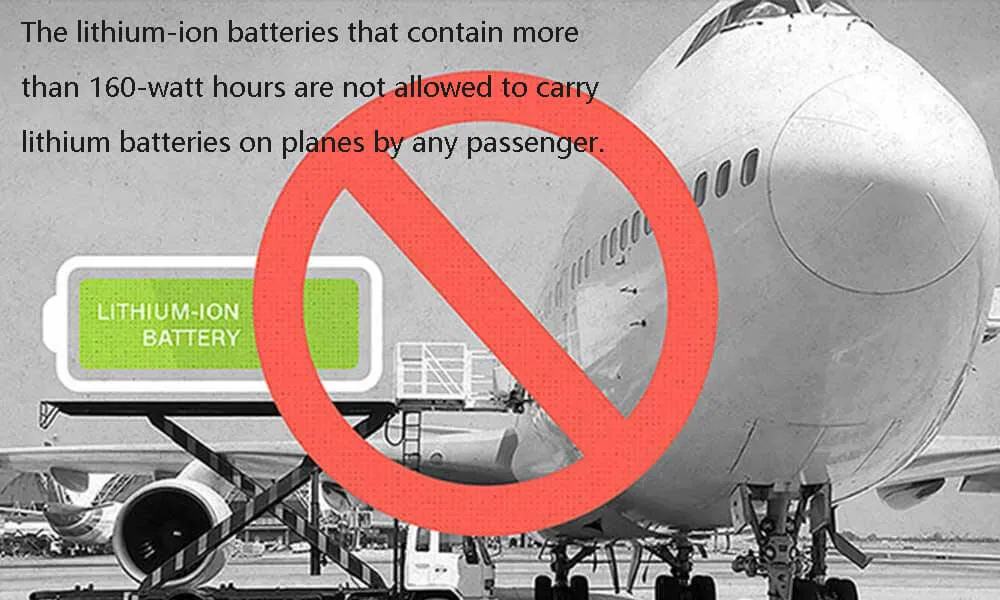
Ever wondered why you can't just toss a mountain of lithium batteries into your suitcase and jet off to paradise? Yeah, me too. It's not just some random rule airlines made up to annoy us. There's actually some fire behind the regulation. Literally.
Think of your phone battery. It's small, innocent, and powers your TikTok addiction. But inside, it's a tiny, tightly-packed powerhouse. And sometimes, that power can get a little... too powerful. Think spontaneous combustion powerful.
Lithium-Ion: The Fiery Culprit
So, what's the deal with lithium-ion batteries? They're rechargeable, lightweight, and hold a ton of energy. That’s what makes them perfect for phones, laptops, cameras, and even electric cars. They're everywhere!
Must Read
But here’s the catch: they're also a bit unstable. Especially when damaged, overheated, or poorly manufactured. Imagine packing them tightly together in the cargo hold of a plane. It's a recipe for… well, a really bad in-flight movie.
Think of it like this: each battery cell is a tiny apartment building filled with highly reactive tenants. If one tenant starts a fire (due to a short circuit, maybe?), it can quickly spread to the whole building. And then the entire complex. And then… you get the picture.
Runaway Reactions: It's Science!
This is where things get science-y (but don't worry, I'll keep it light). Lithium-ion batteries can experience something called "thermal runaway." It sounds like a super-villain's escape plan, but it's actually worse. It's a chain reaction where the battery overheats uncontrollably.
Imagine the battery getting hotter and hotter. It releases flammable gases. Those gases ignite. More heat. More gas. More fire! And it keeps going until the battery is completely consumed. Scary stuff, right?
A small phone battery fire might be manageable, but imagine hundreds or thousands of batteries all going up at once in the confined space of an airplane cargo hold. It's a disaster scenario no one wants to experience.
Why Not Just Put Them Out?
Okay, so a fire starts. Why not just douse it with water? Well, lithium battery fires are a bit… special. Water doesn't always work. Sometimes, it can even make things worse by reacting with the lithium. You need specialized fire extinguishers to tackle these blazes.
And even if you manage to put out the flames, the battery can still reignite later. It's like a zombie fire! Airlines don't want to risk dealing with a zombie fire thousands of feet in the air.

The Rules of the Skies: What You Can and Can't Do
So, what are the rules? Generally, you can bring lithium-ion batteries in your carry-on luggage. This allows the crew to monitor them and react quickly if something goes wrong. Plus, you can personally deal with any issues. Imagine your phone dramatically bursting into flames mid-flight! (Okay, hopefully not.)
However, there are limits on the size and quantity of batteries you can carry. And damaged or recalled batteries are a big no-no. Seriously, don't try to sneak those on board. It's not worth the risk.
Larger lithium-ion batteries, like those found in electric scooters or hoverboards, are usually prohibited from both carry-on and checked baggage. These pose a greater fire risk due to their size and energy density. It’s usually because of the Watt Hours (Wh) which measure the battery’s total energy.

Fun Fact: Lithium Isn't Just for Batteries!
Did you know lithium is also used to treat bipolar disorder? Talk about a battery with a mood swing! Okay, bad joke. But seriously, the same element that powers our gadgets can also help stabilize our minds. It's kind of mind-blowing (pun intended).
So, the Next Time You Fly…
Remember why you can't just toss a mountain of lithium batteries into your checked luggage. It's all about safety. A little inconvenience is a small price to pay to avoid a mid-air inferno. Plus, think of the bragging rights you'll have when you explain all this to your fellow passengers. You'll be the smartest person on the plane! (Just don't be that person.)
Just make sure you are aware of airline regulations regarding batteries and check them before your flight. Have safe travels!