Why Are We Worried About The Greenhouse Effect
Think about stepping into a sun-drenched greenhouse on a chilly day. Feels amazing, right? All those lush plants, basking in the warmth. We love that feeling of being enveloped in comfortable heat, especially when the world outside is less inviting. But what if I told you that the Earth itself is, in a way, a giant greenhouse? And that lately, we're a little worried about the thermostat.
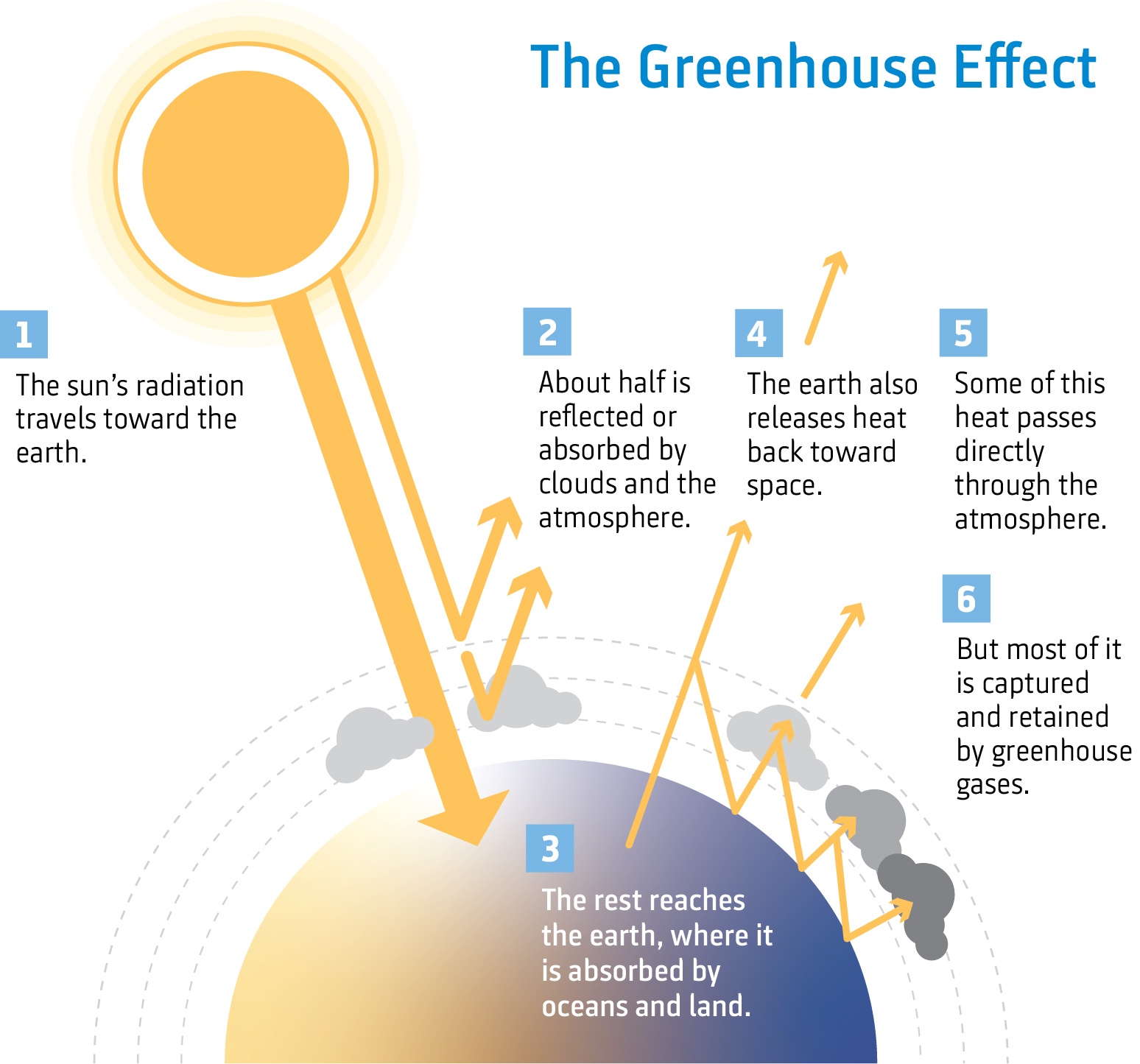
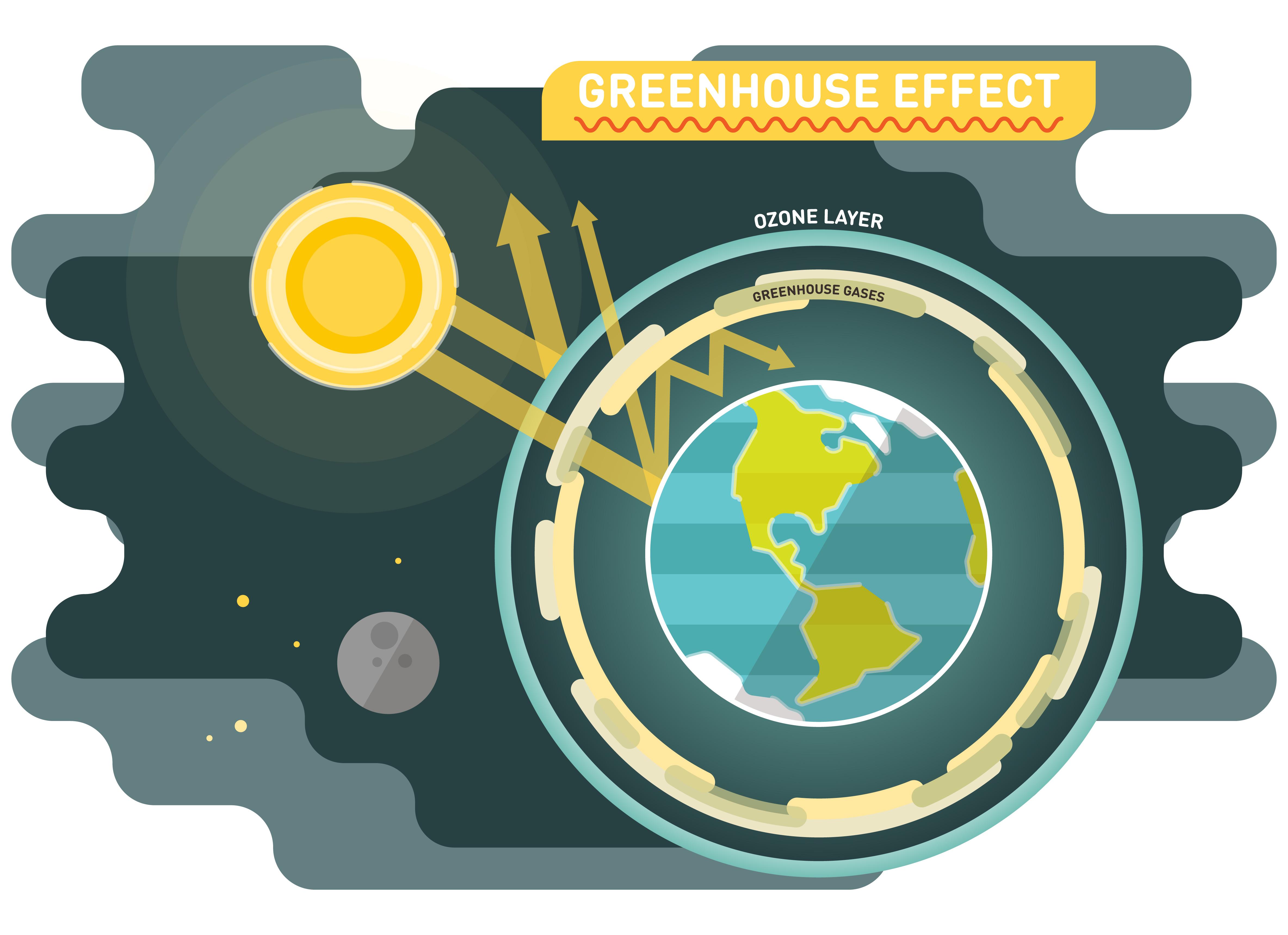
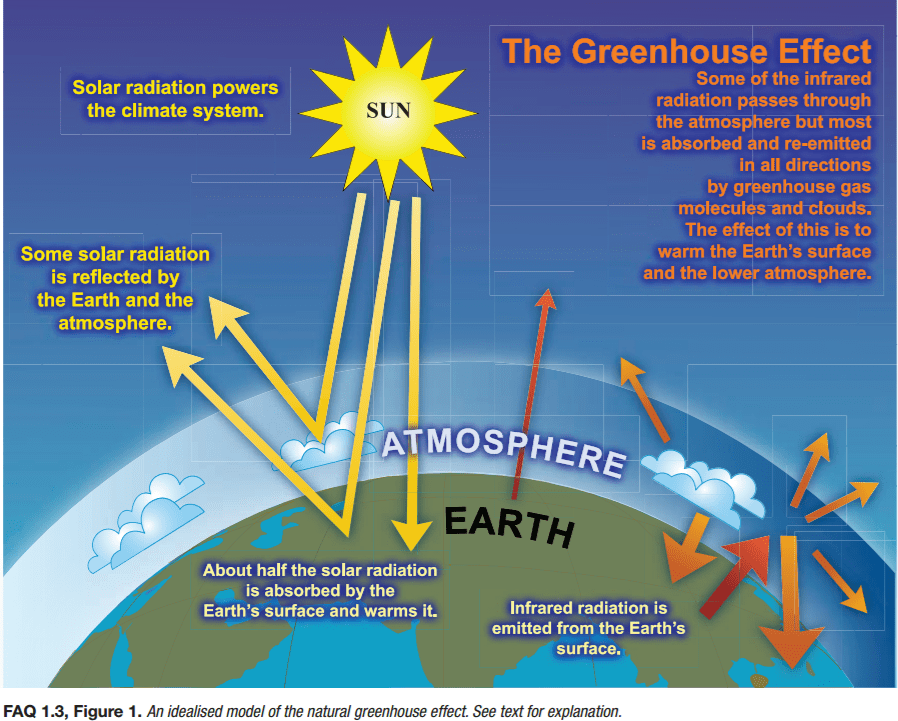
The greenhouse effect isn't some newfangled invention – it's a natural process vital for life as we know it. Imagine the sun's rays streaming down to Earth. Some of that energy is absorbed by the land and oceans, warming our planet. The rest radiates back into space. But certain gases in our atmosphere, like carbon dioxide, methane, and water vapor, act like the glass roof of a greenhouse. They trap some of that outgoing heat, preventing it from escaping entirely. This keeps our planet at a comfortable temperature – warm enough for liquid water to exist, for plants to thrive, and for us to, well, exist!
Without the greenhouse effect, Earth would be an icy wasteland, averaging around -18 degrees Celsius (0 degrees Fahrenheit). Think about that for a second! No oceans, no rainforests, no coffee in the morning. So, the greenhouse effect, in its natural state, is a really good thing.
Must Read
So, why the worry? The problem arises when we pump excessive amounts of greenhouse gases into the atmosphere. Think of it like adding extra layers of glass to that greenhouse roof. The more gases we release, the more heat gets trapped, leading to a gradual warming of the planet. This is what we call global warming, and it's the driver behind climate change.

Where do these extra gases come from? Mostly from burning fossil fuels like coal, oil, and natural gas for energy. We use these fuels to power our cars, heat our homes, and run our industries. Deforestation also plays a role, as trees absorb carbon dioxide from the atmosphere. When we cut them down, that stored carbon is released. Intensive agriculture, particularly livestock farming, contributes significant amounts of methane.
The consequences of unchecked global warming are far-reaching. We're already seeing rising sea levels, more frequent and intense heat waves, changes in precipitation patterns leading to droughts and floods, and disruptions to ecosystems. These changes threaten our food security, our water resources, and even our homes.
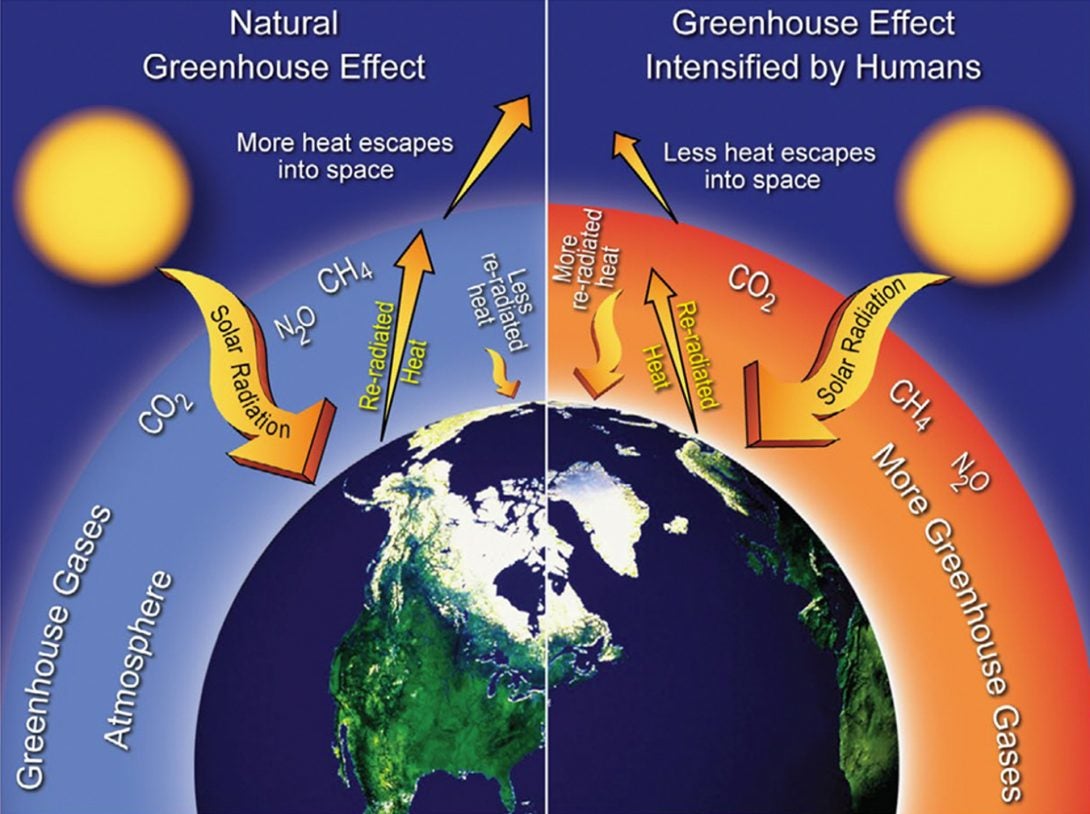
So, how can we “enjoy” the greenhouse effect more effectively, meaning, how can we live sustainably and minimize its negative impacts? It's not about eliminating it entirely (we can't!), but about finding a balance. Here are a few practical tips:
- Reduce your carbon footprint: Drive less, use public transport, bike or walk when possible. Choose energy-efficient appliances and light bulbs. Reduce your meat consumption.
- Support renewable energy: Advocate for policies that promote solar, wind, and other clean energy sources. Consider installing solar panels on your home.
- Conserve energy: Turn off lights when you leave a room. Unplug electronics when you're not using them. Insulate your home to reduce heating and cooling costs.
- Reduce, reuse, recycle: Minimize waste by buying less, reusing items whenever possible, and recycling materials like paper, plastic, and glass.
- Educate yourself and others: Learn more about climate change and share your knowledge with friends and family. Support organizations working to address this issue.
By making these small changes in our daily lives, we can collectively reduce our impact on the climate and ensure a more sustainable future. It's about appreciating the Earth's natural processes and being responsible stewards of our planet, so we can keep that greenhouse effect at a comfortable, life-sustaining level.