Why Are Trees Considered A Renewable Resource
Let's talk trees! Specifically, why we consider these leafy giants a renewable resource. It's a pretty cool topic, because it gets to the heart of how we use and interact with the natural world. Plus, understanding why trees are renewable helps us appreciate the importance of sustainable practices. Are we just chopping down forests with no thought for the future? Thankfully, no! Understanding renewability is key to a healthy planet.
So, what does "renewable" actually mean? Simply put, a renewable resource is something that can be replenished or regenerated within a human lifetime. Think about it: the sun shines, the wind blows, and water cycles through our planet. Trees, although they take longer than a day, fit into this category too! We can grow new ones to replace the ones we use.
The purpose of considering trees renewable is twofold. First, it acknowledges their natural capacity to regrow. A seed sprouts, a sapling emerges, and eventually, you have a mighty oak. This inherent ability to regenerate is crucial. Second, it encourages responsible management. Recognizing renewability pushes us to think sustainably about how we harvest and utilize trees.
Must Read
What are the benefits of viewing trees as a renewable resource? There are many!
First, it allows us to use wood and other tree products (like paper and certain foods) without completely depleting our forests. We can build houses, make furniture, and even create musical instruments using wood, knowing that we can regrow the trees we use. This is hugely important for our economy and daily lives.
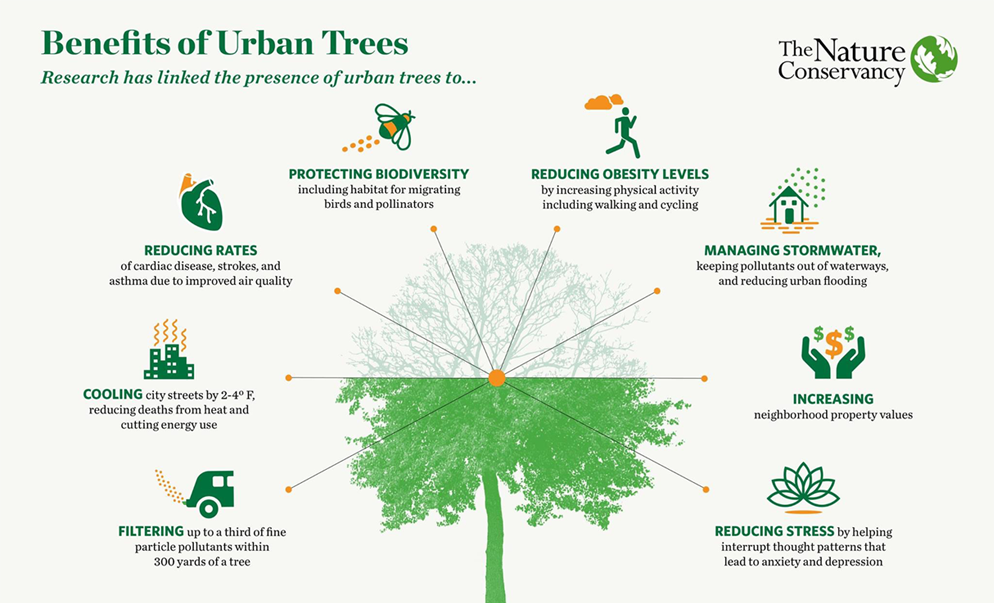
Second, sustainable forestry practices, driven by the understanding of renewability, help to maintain healthy ecosystems. Forests provide vital habitats for countless species, regulate water cycles, and prevent soil erosion. When we manage forests responsibly, we protect all these crucial ecosystem services.
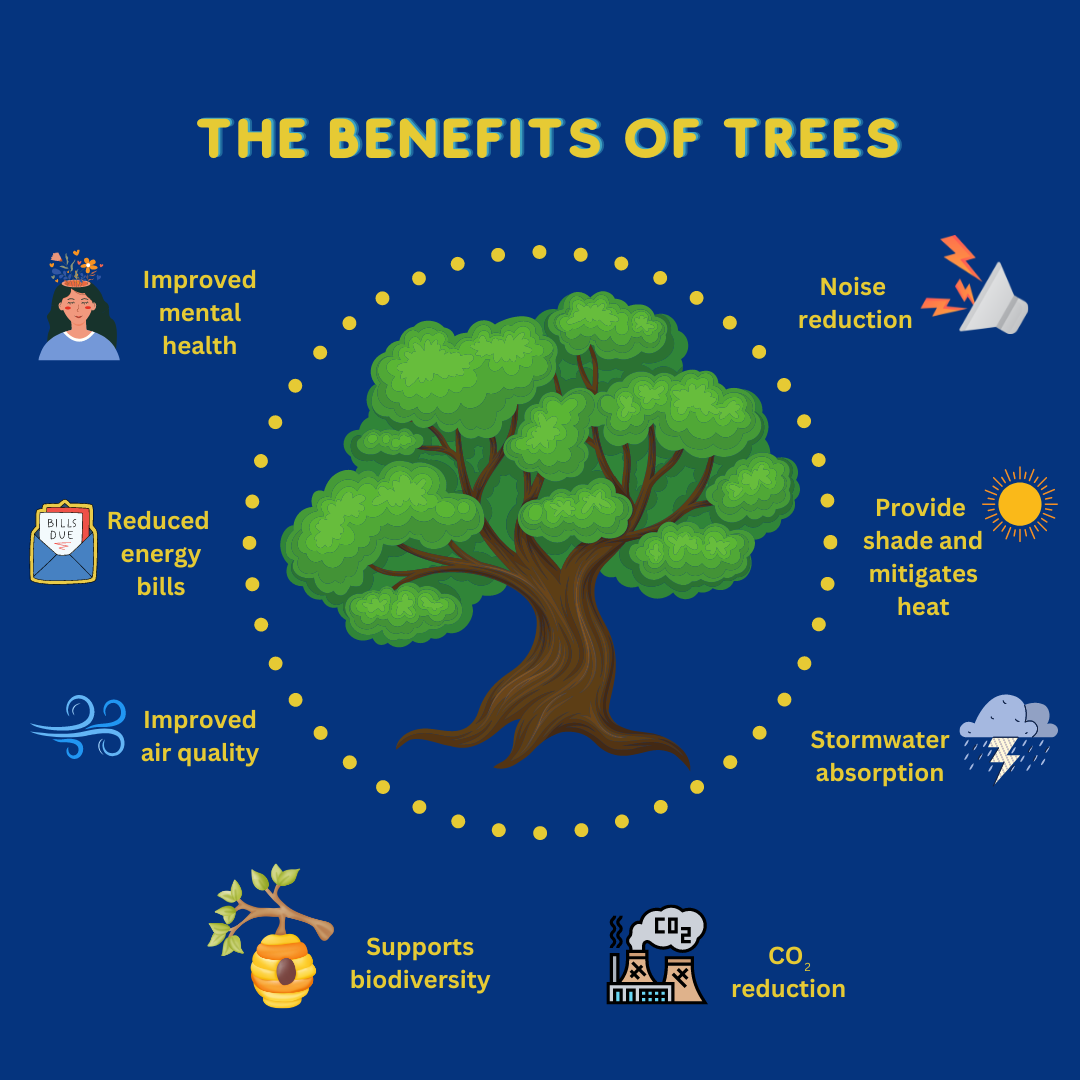
Third, and perhaps most importantly these days, trees play a vital role in combating climate change. They absorb carbon dioxide (CO2) from the atmosphere during photosynthesis, effectively acting as carbon sinks. By replanting and managing forests, we can help reduce greenhouse gas emissions and mitigate the effects of global warming.

However, it's crucial to remember that renewability isn't a magic bullet. It doesn't mean we can just cut down trees without any consequences. Sustainable forestry practices are essential. This includes replanting efforts, careful selection of trees for harvesting, and protecting old-growth forests. Without responsible management, we can easily deplete our forests, even though they have the potential to renew.
In conclusion, trees are considered a renewable resource because they have the natural ability to regenerate. Recognizing this renewability encourages responsible management, which in turn allows us to utilize forest products sustainably, protect ecosystems, and combat climate change. Let's continue to appreciate and protect our forests, ensuring they remain a valuable and renewable resource for generations to come!