Okay, let's talk fossil fuels. You know, the stuff that powers our cars, heats our homes, and keeps our Netflix binges going strong? Sounds pretty great, right? Well, hold onto your hats, because the truth is, these guys are kind of the villains in our environmental story. Not mustache-twirling, world-domination villains, but more like… clumsy, accident-prone villains who keep tripping over the environment and making a mess.
So, What Exactly Are Fossil Fuels?
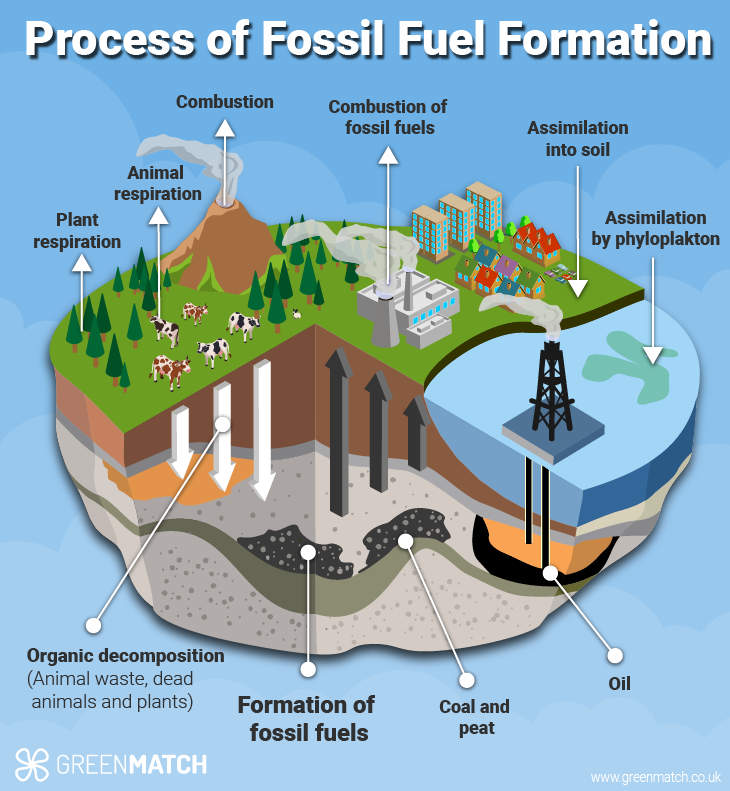
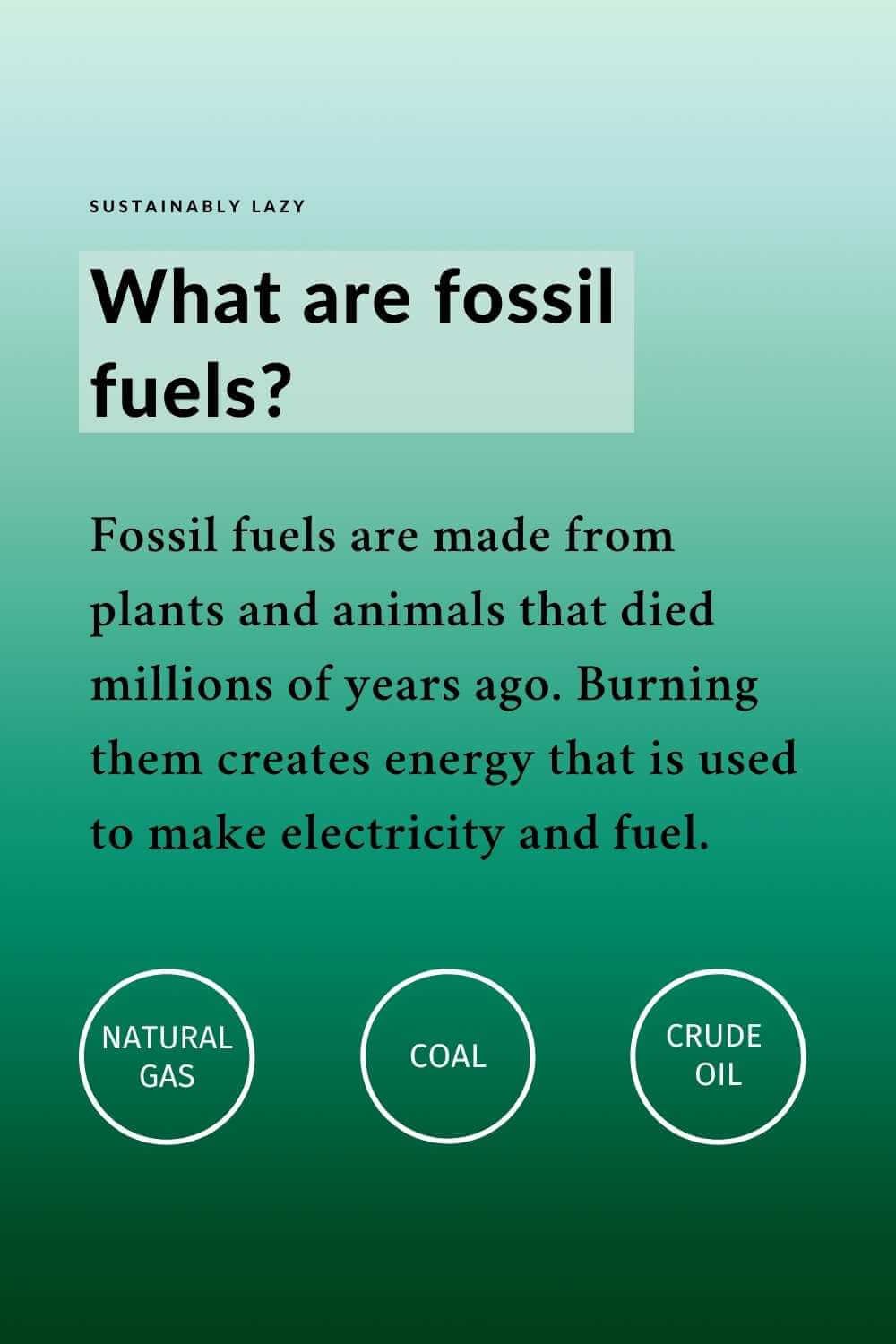
Think of fossil fuels like ancient, squished-up plants and animals that have been chilling underground for millions of years. We're talking about coal, oil, and natural gas. These guys are packed with energy – that's why they're so useful! But unlocking that energy comes at a cost. Imagine trying to unleash the power of a million-year-old sandwich – it's probably not going to end well for your kitchen, or the world.
The Big, Bad Greenhouse Effect
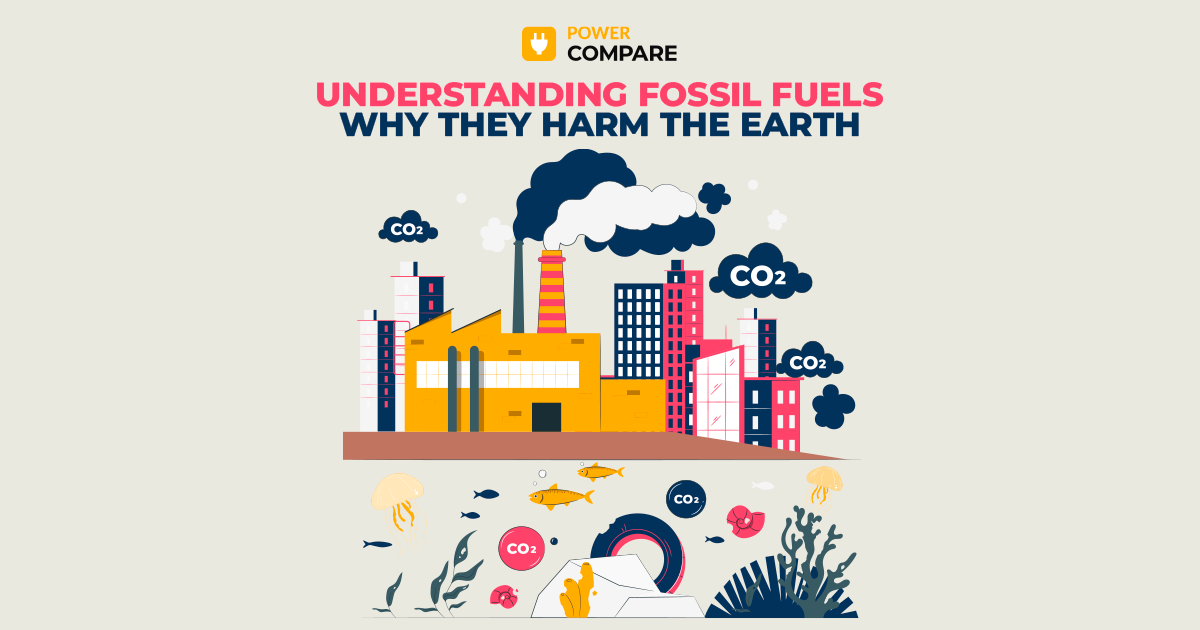
When we burn fossil fuels, we release a whole bunch of gases into the atmosphere, especially carbon dioxide (CO2). Think of the atmosphere like a giant greenhouse surrounding the Earth. It's supposed to trap some of the sun's heat to keep us nice and toasty. But when we pump all this extra CO2 into the atmosphere, it's like turning the greenhouse thermostat way up. Suddenly, we're not just toasty anymore; we're talking "bake-an-egg-on-the-sidewalk" levels of heat.
This is what we call the greenhouse effect, and it's the main driver of climate change.
Climate Change: The Sequel Nobody Asked For
So, what happens when the planet gets too hot? Well, things start getting a little… weird. Ice caps and glaciers start melting like popsicles on a summer day, causing sea levels to rise. Coastal cities might start needing swimming lessons just to get to the grocery store! We are talking about the Statue of Liberty wearing a swimsuit!
Why Is Burning Fossil Fuels Bad For Climate Change at Kenton Bridges blog
Extreme weather events, like hurricanes, droughts, and floods, become more frequent and intense. Imagine your favorite summer barbecue getting rained out, not just once, but every single weekend! And not just a drizzle – we're talking torrential downpours and maybe even a rogue tornado or two. Fun times, right? I think not.
Air Pollution: Not Just a Big-City Problem
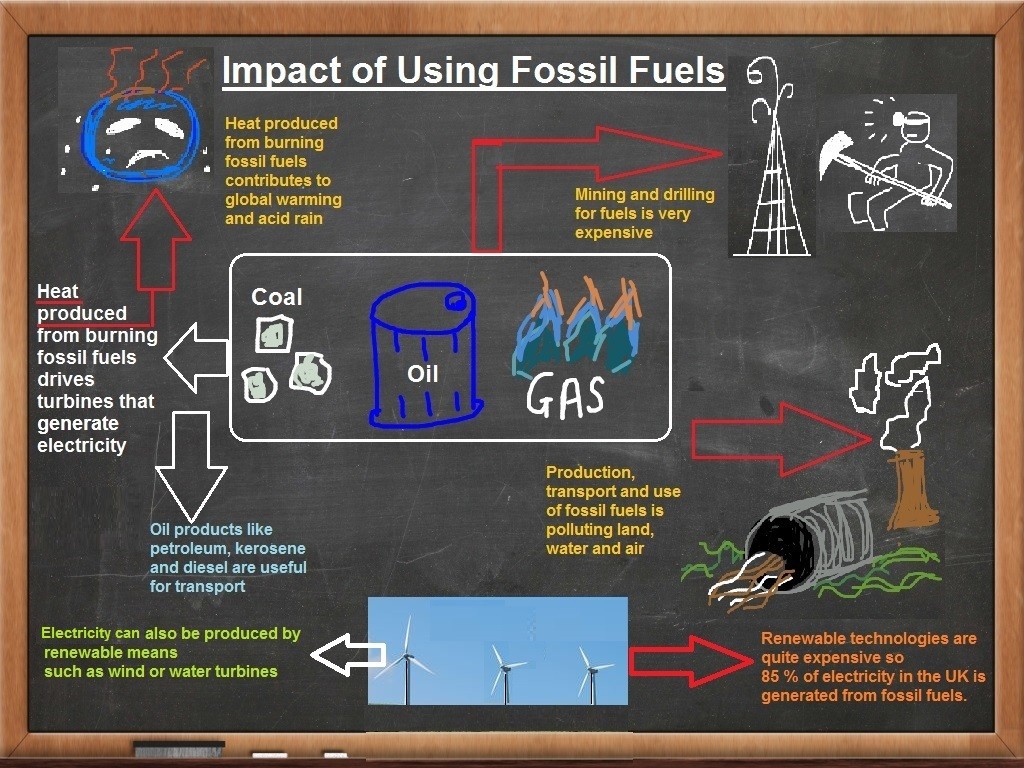
Burning fossil fuels also releases other nasty pollutants into the air, like smog and particulate matter. These pollutants can cause respiratory problems, like asthma and bronchitis. Imagine trying to run a marathon while breathing through a straw that's been dipped in soot! Not exactly ideal. Plus, these pollutants can also damage forests, lakes, and even buildings.
“Breathing dirty air is like smoking cigarettes, but without even the fleeting satisfaction of a nicotine buzz."
Why Are Fossil Fuels Bad? 10 Filthy Facts About Their Impact
It's not just about smoggy cities either; the wind carries these pollutants far and wide, affecting even the most pristine natural areas. It's like someone spilled a giant bucket of not-so-eco-friendly paint all over our beautiful planet.
Drilling and Spilling: A Recipe for Disaster
Getting fossil fuels out of the ground can also be a messy business. Oil spills can devastate marine ecosystems, coating seabirds in sludge and suffocating coral reefs. Imagine trying to clean up an entire ocean after someone accidentally dumped a giant vat of peanut butter into it.
Why Fossil Fuels are Bad for the Planet: An In-depth Analysis
So, What Can We Do?
Okay, so fossil fuels are bad news. But don't despair! We're not doomed to a future of flooded cities and perpetual barbecues. There are plenty of things we can do to reduce our reliance on fossil fuels and create a cleaner, healthier planet.
One big one is switching to renewable energy sources, like solar, wind, and geothermal. Imagine powering your entire house with sunshine or harnessing the power of the wind to charge your electric car. These sources are clean, sustainable, and don't release harmful pollutants into the atmosphere.
We can also improve energy efficiency, using less energy to do the same things. This means things like insulating our homes, driving fuel-efficient cars, and turning off lights when we leave a room. Think of it as giving the planet a little energy-saving high-five! Even small actions can make a big difference. By making conscious choices about our energy consumption, we can all help create a brighter, cleaner future. So, let's ditch the clumsy villain of fossil fuels and embrace a world powered by clean, renewable energy!

+(1).jpg?format=1500w)