Why Are Energy Prices So High
Ever found yourself staring at a utility bill, or pumping gas, and wondering, "Why in the world is this so expensive?" You're definitely not alone! It's a question many of us ponder, especially lately. Thinking about why energy prices fluctuate might sound a bit dry, but trust me, it’s actually a fantastic gateway to understanding how our world truly works – from the comfort of your living room to global geopolitics. It's like being a detective, piecing together clues from across the globe to solve a real-world mystery that affects your wallet every single day. Understanding this isn't just for economists; it's for everyone who uses electricity, drives a car, or buys anything transported by fuel. It adds a whole new layer of insight to your daily news feed and makes current events feel much more personal and understandable.
So, what’s the big deal about learning why energy costs what it does? Well, the purpose is quite practical: it empowers you! Knowing the forces at play helps you make smarter decisions with your money. You can better budget for your household, consider more energy-efficient choices, and even understand the reasoning behind government policies or international conflicts reported on the news. The benefit isn't just saving a few bucks here and there; it’s about becoming a more informed and engaged citizen of the world. It gives you a much clearer picture of the intricate web that connects nations, economies, and even the weather patterns that influence our daily lives. Truly, it’s about gaining a deeper appreciation for the complex systems that underpin modern society.
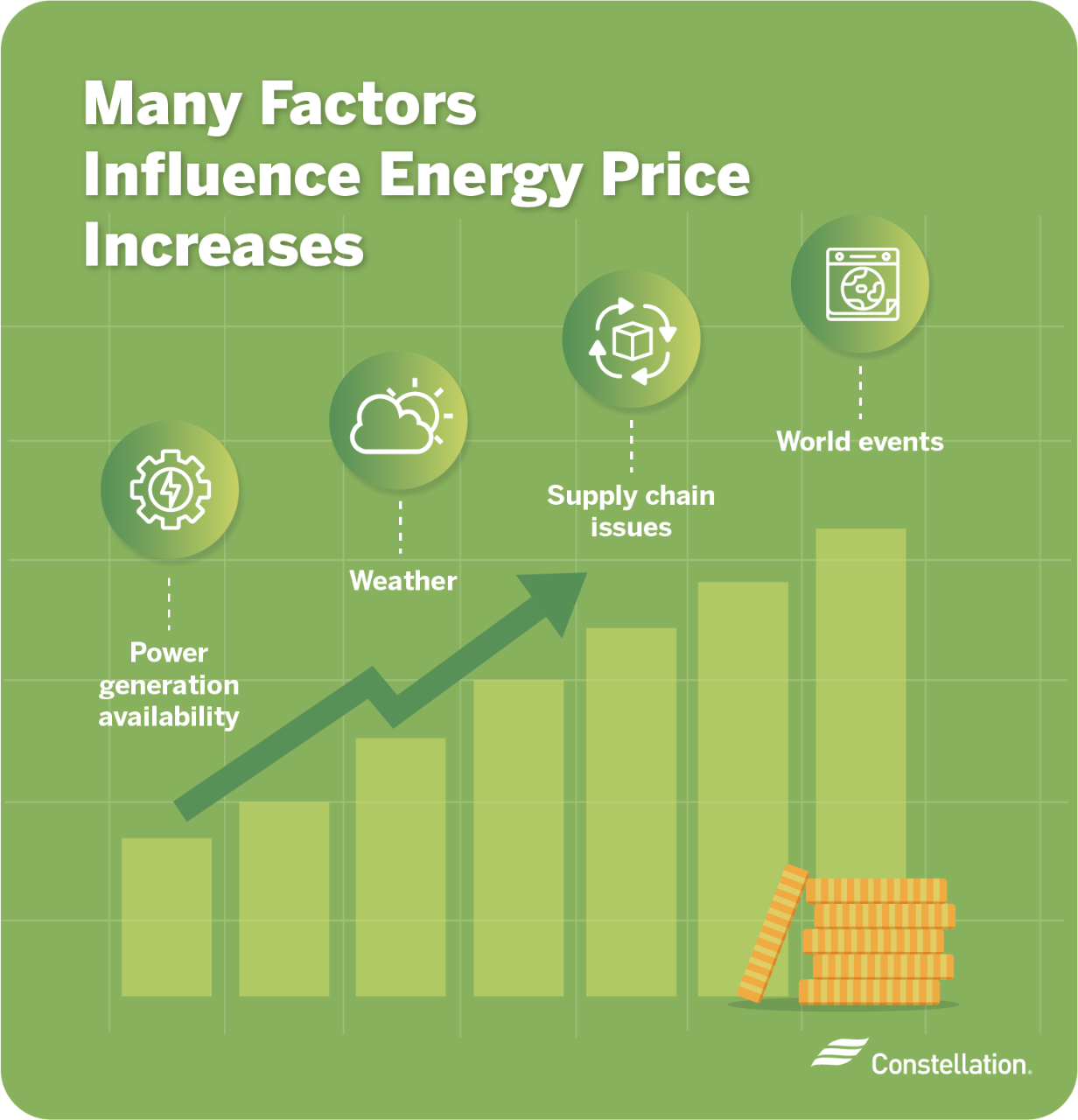
Let's dive into some of the reasons, in a nutshell. Energy prices are often a tug-of-war between supply and demand. If there's high demand (say, a heatwave causing everyone to crank up their AC) and limited supply, prices go up. Global events play a huge role too; a conflict in a major oil-producing region, for example, can send shockwaves through the market, impacting everything from gasoline to heating oil. Production costs – getting the fuel out of the ground, refining it, and transporting it – also contribute significantly. Add in government taxes, environmental regulations, and even currency exchange rates, and you can see why it's a complicated stew! It's rarely just one thing; usually, it's a combination of several factors all conspiring to nudge prices higher or lower.
Must Read
This understanding isn't just theoretical; it pops up everywhere. In education, learning about energy prices is a fantastic way to grasp basic economic principles like supply and demand curves or the impact of global trade. Geography classes might use it to discuss resource distribution or geopolitical hotspots. In daily life, this knowledge helps you decide whether to insulate your home, invest in an electric vehicle, or simply be more mindful of your electricity usage. When you hear about inflation on the news, understanding energy’s role can make sense of why nearly everything else might cost more too. It helps you connect the dots between a faraway news headline and the price of milk at your local grocery store, because energy touches nearly every part of the supply chain.
Ready to become an energy price guru? Here are some simple ways to explore this fascinating topic. Start by looking at your own utility bills more closely – do you notice seasonal spikes? Next, keep an eye on local gas prices; you might even track them over a few weeks. For a broader view, check out reputable news sources like the financial sections of major newspapers or sites like the U.S. Energy Information Administration (EIA) for data and reports. Many energy companies also publish annual outlooks that can be surprisingly insightful. You could also try calculating the energy consumption of your appliances or researching different types of energy sources (solar, wind, nuclear). It's a journey of discovery that can empower you to make more informed decisions and appreciate the often-invisible forces shaping our world and our wallets.