
Why Are Electric Rates Going Up

Hey there, ever open your electric bill and do a little double-take? You’re not alone! It’s like, what’s going on here? Why does it feel like electricity is getting pricier, even when we’re all trying to be super mindful of our usage? If you’ve been scratching your head, wondering about the mysterious forces behind those rising digits, then pull up a comfy chair. We’re going to unravel this little mystery, not with panic, but with a bit of curiosity and some fun comparisons.
Think of it like this: your electricity bill isn't just about the juice flowing into your home. It’s a complex recipe with a lot of ingredients, and sometimes, those ingredients get a little more expensive. So, let's peek behind the curtain!
The Fuel Factor: It's Like Buying Ingredients for a Feast
One of the biggest drivers behind your rising electric bill often comes down to the price of fuel. Imagine you’re a chef preparing a massive meal for thousands of people. You need ingredients, right? For most of our electricity, the main ingredient is still natural gas.
Must Read
And guess what? The price of natural gas can fluctuate wildly! Global events, supply and demand, even just a super cold winter or a scorching summer can send those prices soaring. If the gas that powers the power plants costs more, then the electricity they produce will also cost more. Simple economics, but oh-so-impactful on your wallet!
While natural gas is a big one, other fuels like coal (though used less and less) and even the logistics of getting renewable energy onto the grid also play a role. So, if the "gas tank" for our power plants gets more expensive to fill, we see it on our bills.

The Grid's Glow-Up: Investing in Our Electric Superhighway
Remember that old car that keeps breaking down, or that ancient house with leaky pipes? Eventually, you need to invest in upgrades, right? Well, our electrical grid, the vast network of poles, wires, and transformers that delivers power to our homes, is often pretty old.
Many parts of it were built decades ago! To make it smarter, more reliable, and resilient against things like extreme weather or cyber-attacks, utilities have to invest a ton of money. This means replacing old equipment, building new transmission lines, and integrating fancy new tech to monitor and manage power flow. Think of it as renovating a massive, country-spanning highway system. All those construction costs, all those upgrades? Yep, they eventually get passed on to us, the users.
The Green Shift: Hello, Renewables!
We all want a cleaner planet, and moving towards renewable energy like solar and wind is fantastic! But here's the interesting paradox: while the fuel for solar and wind (sunshine and breeze) is free, the initial setup costs are significant. Building massive solar farms or towering wind turbines, and then figuring out how to store that power (hello, giant batteries!) and integrate it into a grid designed for fossil fuels, is a huge undertaking.
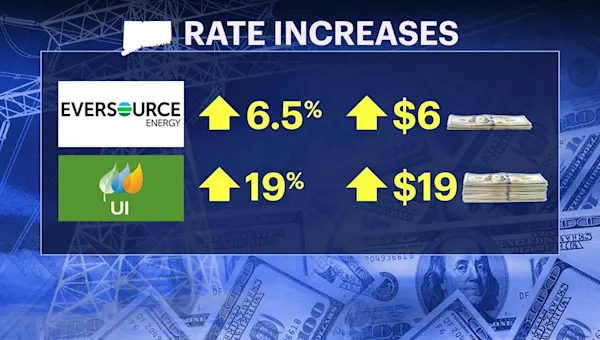
It's like planting a beautiful new garden. The seeds (sun and wind) are free, but you need to buy the soil, the tools, build the raised beds, and put in a lot of initial effort before you get those lovely tomatoes. These upfront investments, even though they promise cheaper, cleaner energy in the long run, can contribute to rate increases in the short term. It's an investment in our future!
Mother Nature's Mood Swings: Extreme Weather Takes a Toll
Has your region been experiencing more intense heatwaves, brutal cold snaps, or powerful storms lately? You’re not imagining things, and unfortunately, these events have a direct impact on your electric bill.
When it’s scorching hot, everyone cranks up the AC, sending demand for electricity through the roof. The same happens in a deep freeze when heaters are working overtime. This surge in demand can strain the grid and sometimes push up prices. But it's not just demand! Extreme weather can cause massive damage to infrastructure – fallen poles, downed lines, flooded substations. Repairing all that infrastructure is incredibly expensive, and those costs need to be covered. Making the grid more resilient to these wild weather swings also adds to the bill.
Our Growing Appetite: More Power, Please!
Let's be honest, we love our gadgets! Our homes are filled with more devices than ever before. We’ve got smart TVs, gaming consoles, multiple computers, charging stations for phones and tablets, and a growing number of us are even driving electric vehicles!
On top of that, populations are growing, and more people means more homes, more businesses, and simply more demand for electricity. When demand goes up, and supplying that demand becomes more challenging or expensive (tying into fuel costs and infrastructure), rates often follow suit. It's a classic supply-and-demand scenario playing out on a massive scale.
The "Business" Side: Market & Regulations
Finally, there's the less glamorous, but still important, aspect of market dynamics and regulations. Utilities operate within a regulated environment, and sometimes new environmental standards or market rules are put in place. These changes, while often for the greater good, can add to operating costs.
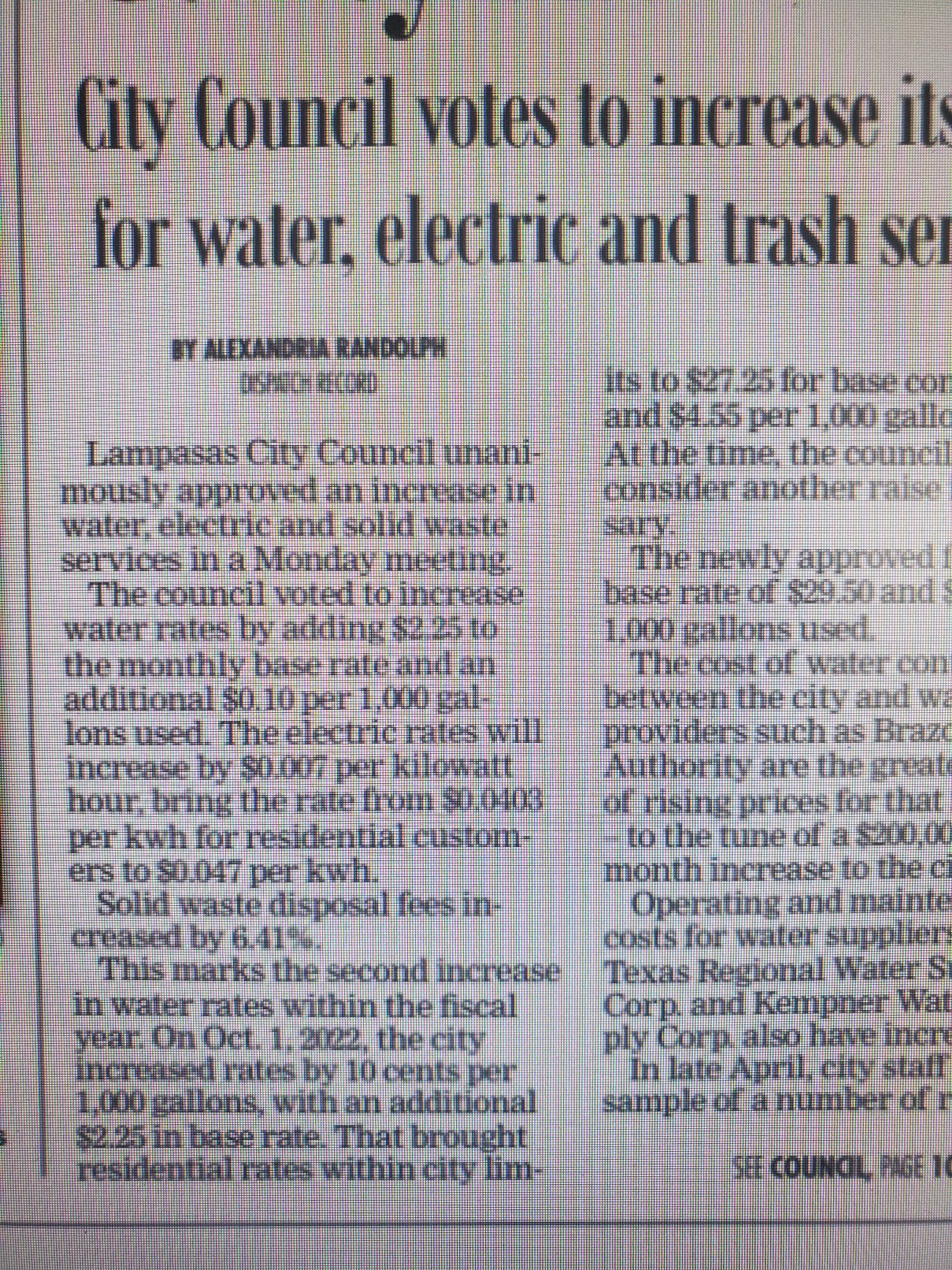
Plus, utilities themselves are businesses. They have employees, operating expenses, and they need to make a return on their investments to keep the lights on (literally!). These foundational business costs are also factored into your rates.
So, there you have it! Those rising electric rates aren't usually due to just one villain, but a complex dance of interconnected factors. From the price of natural gas to the exciting (and costly) shift to renewables, from upgrading our aging infrastructure to battling Mother Nature's fiercest moods, there's a lot going on behind the scenes.
It’s a complex dance, but knowing the steps helps us understand the rhythm of our bills. And who knows, maybe understanding it all inspires us to be even savvier about how we use our precious power!