
Why Are All My Smoke Detectors Going Off
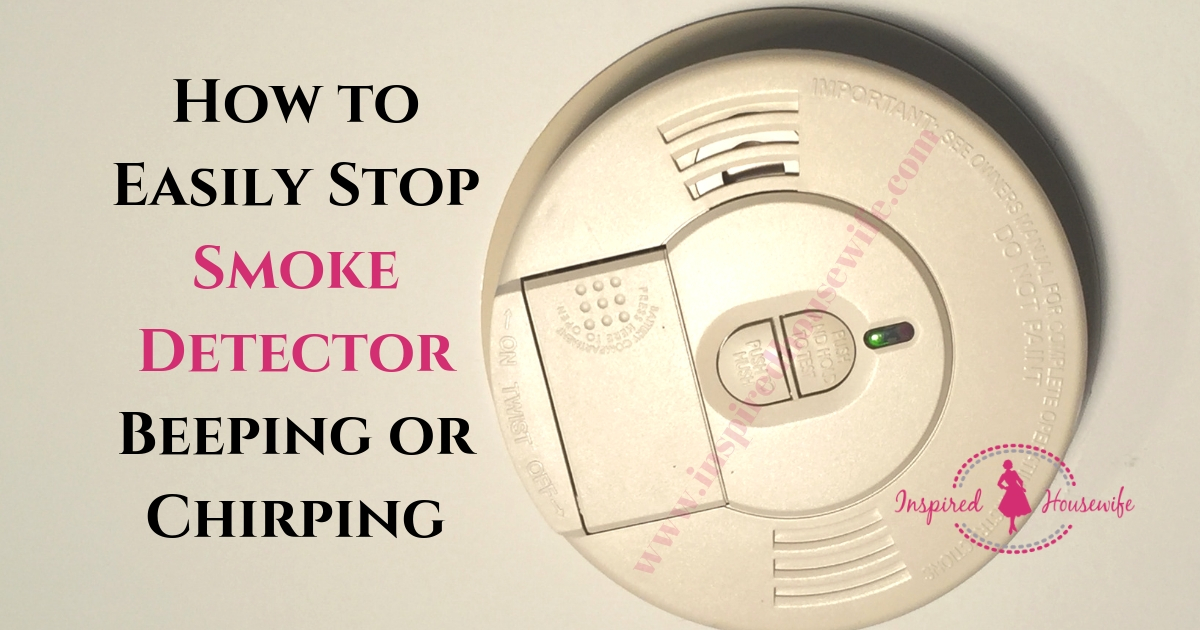
Picture this: It’s 3 AM. You’re deep in the land of nod, dreaming of... well, probably something much more peaceful than what's about to happen. Suddenly, the world explodes. Not literally, thankfully, but it sure feels like it when every single smoke detector in your house decides to perform an impromptu heavy metal concert. Simultaneously. You jolt upright, heart hammering, brain instantly flipping through worst-case scenarios from "Is the house on fire?" to "Did I leave the oven on for a week?" You scramble out of bed, eyes wide, sniffing the air like a panicked bloodhound, only to find... absolutely nothing. No smoke, no flames, just the deafening shriek of multiple alarms echoing through the quiet night. Your cat is giving you the stink eye, clearly unimpressed by the sudden drama. Been there, right?
That gut-wrenching moment of collective screeching often leaves us wondering, "Why, oh why, are all my smoke detectors going off at once when there's no visible inferno?" It’s a common, utterly frustrating, and sometimes truly baffling experience. Let’s dive into the mysteries of your home's most vocal safety devices.
The Symphony of Screams: Why They All Sync Up
First things first: the reason they all go off at the same time is usually by design. Most modern homes, especially those built or renovated in recent years, have interconnected smoke detectors. This means if one alarm senses smoke, it sends a signal to all the others in the system, triggering them too. Think of it like a safety chain reaction.
Must Read
They're often hardwired into your home’s electrical system (which is why they also usually have a battery backup, just in case). Even if they’re battery-only, some newer models use wireless technology to link up, ensuring that if smoke starts in the basement, you’ll hear about it loud and clear on the top floor. It’s a brilliant safety feature, really, meant to give you maximum warning time. But boy, does it crank up the drama when it’s a false alarm!

Beyond the Blaze: Common Culprits
So, if there's no actual fire, what could possibly be causing this ear-splitting orchestra? Turns out, these vigilant little guardians can be a bit sensitive.
- The Kitchen Calamity: Ah, the most frequent offender. Burnt toast (we've all been there, don't lie), high-temperature cooking that creates a lot of smoke (searing a steak, baking at 500 degrees), or even just opening a very hot oven can trigger an alarm. And cleaning your oven with those high-heat, self-cleaning cycles? Practically guaranteed to set them off. Pro tip: give your kitchen a little air when you’re doing something smoky.
- Steam & Humidity: Believe it or not, a really steamy shower or bath can trick your detector into thinking there's smoke. Same goes for humidifiers if they're too close or running on overdrive. The tiny water particles in steam can look a lot like smoke particles to the detector's sensors.
- Dust Bunnies & Bug Intruders: Yep, your detectors can get dusty inside. A build-up of dust can interfere with the sensor, leading to false alarms. And sometimes, a curious little bug might crawl in and trigger the sensor. Just imagine, a tiny spider causing mass panic!
- Chemical Fumes & Aerosols: Hairspray, strong cleaning products, fresh paint, bug sprays, even certain air fresheners can release particles or chemicals that mimic smoke. Spritzing that febreeze near a detector? Prepare for a serenade.
- Old Age & Expired Detectors: This is a big one, folks! Smoke detectors don't last forever. They have a lifespan, typically around 10 years. After a decade, their sensors can become less reliable, more prone to false alarms, or simply fail to work when you actually need them. Check the back of your unit for a manufacturing date!
- Power Issues: For hardwired units, a brief power flicker or surge can sometimes confuse the system, leading to a temporary false alarm.
When the Siren Starts: What to Do
Okay, the alarms are blaring. What's your first move (after the initial heart attack)?

- Stay Calm (as much as humanly possible): Seriously, take a breath.
- Check for an Actual Fire: Do a quick visual and smell check. Is there any smoke? Any burning smell? If there's any doubt, get everyone out and call 911. Safety first, always!
- Identify the Source: If no fire, try to locate which detector first started the ruckus. Often, a specific detector will flash its light faster or be louder initially before the others kick in. This helps pinpoint the area of the "problem."
- Silence the Screamers: Most detectors have a silence/hush button. Press it! You might have to go around and press it on a few of them, especially if they’re older interconnected types. For newer systems, silencing one might silence them all.
- Ventilate: Open windows and doors to air out the space, especially if it was a cooking mishap or steam party.
- Troubleshoot: Once they're quiet, check the likely culprits. Is the kitchen smoky? Is the bathroom steamy? Is that one detector looking a bit grimy?
Prevention is Peace and Quiet (Mostly)
Want to avoid future surprise concerts? A little proactive maintenance goes a long way.
- Clean Them Regularly: Gently vacuum around your smoke detectors (especially the vents) once or twice a year to remove dust and cobwebs.
- Test Monthly: Press that test button once a month. It’s annoying, but it confirms they’re working.
- Replace Batteries Annually: Even if they’re hardwired, the battery backup needs replacing. A good habit is to do it when you change your clocks for daylight saving. If they start chirping, change them immediately!
- Know Their Age: Find that manufacturing date and circle it on your calendar. If they’re older than 10 years, replace them all. Seriously, it's a small investment for huge peace of mind (and fewer impromptu wake-up calls).
- Strategic Placement: Avoid placing smoke detectors too close to kitchens, bathrooms, or high-humidity areas where false alarms are more likely.
Smoke detectors are essential for safety, and while their collective shrieks can be startling, remember they're just doing their job – sometimes a little too enthusiastically. Understanding why they go off and how to manage them can save you a lot of jump scares and ensure they’re truly there for you when it counts. Now, go forth and enjoy your quiet, un-siren-ed home!

