Who Was The First Person Who Discovered Electricity

Okay, so we're talking about electricity, right? The stuff that powers our phones, lights up our homes, and, let's be honest, makes modern life possible. But have you ever stopped to wonder… who figured this stuff out in the first place? Who was the OG electricity explorer?
It's not as simple as pointing to one person and saying, "Boom! That's the electricity dude!" Think of it more like a slow burn, a gradual unraveling of a mystery over centuries. But there is a key player we should definitely talk about: a philosopher named Thales of Miletus.
Thales: Ancient Greek Spark Plug?
We're talking way back, like 600 BC way back. Thales lived in ancient Greece, a time of togas, olive oil, and pondering the big questions. He was a philosopher, mathematician, and astronomer – basically, a super-smart dude. Now, Thales didn't exactly invent the lightbulb, but he did make a fascinating observation.
Must Read
He noticed that if you rubbed a piece of amber (fossilized tree resin) with fur, it would attract light objects like feathers or dust. Sound familiar? It should! Think about rubbing a balloon on your hair and sticking it to the wall. Same principle!
Okay, so attracting feathers isn't exactly powering Times Square. But it was the first recorded instance of observing what we now call static electricity. Pretty cool, right?
So, did Thales discover electricity? Well, not in the way we think of it today. He didn't understand the underlying principles, the flow of electrons, or anything like that. He just saw a weird phenomenon and wrote about it. But it was a crucial first step, a tiny spark that would eventually ignite a revolution.
From Amber to Atoms: A Long and Shocking Journey
Fast forward a few thousand years. Other scientists and thinkers started to build on Thales's observations. They experimented with different materials, built early versions of electrostatic generators, and began to understand the relationship between electricity and magnetism.
Think of it like building a sandcastle. Thales laid the first grain of sand, and over time, others added more and more, slowly building a magnificent structure. William Gilbert, in the 16th century, coined the term "electricus" from the Greek word for amber, "elektron." He really started to investigate different materials that had this "attracting" property.
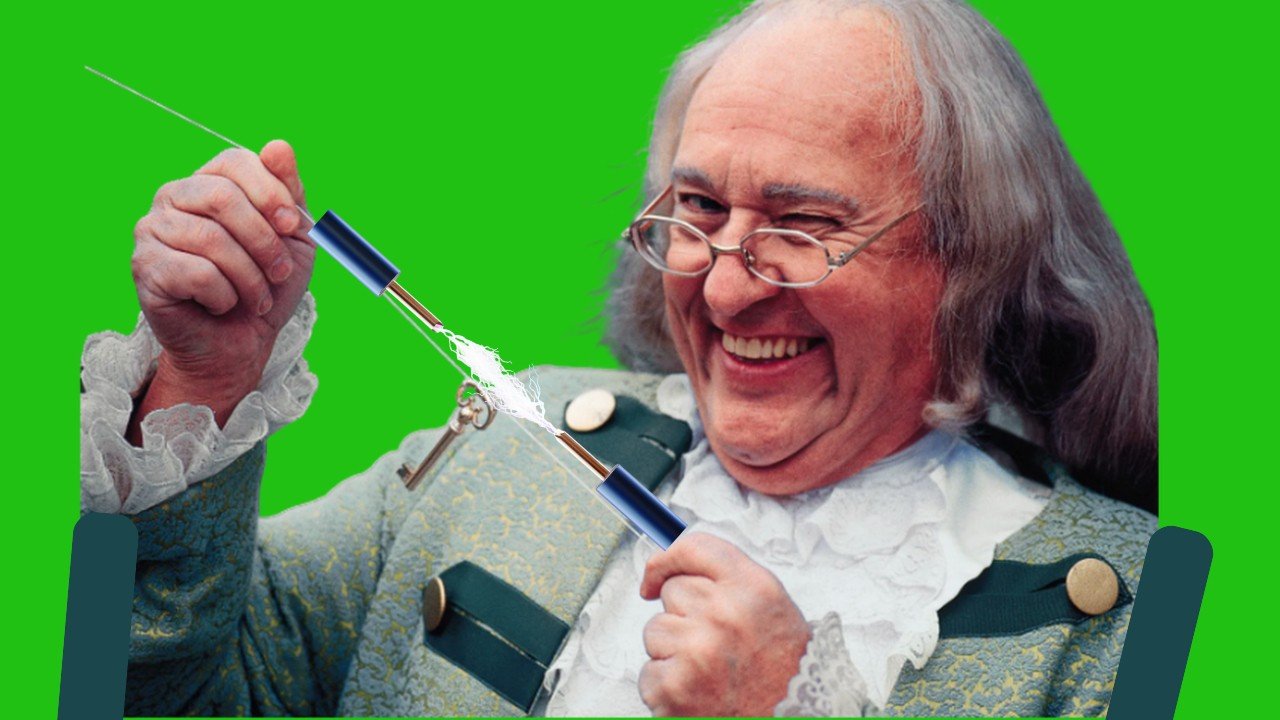
Then came Benjamin Franklin with his famous kite experiment. Risky, sure, but it helped to establish that lightning was a form of electricity. He didn't discover electricity per se, but he helped to understand its power and nature.
So, Who Gets the Credit?
It’s tempting to want to give the title of "discoverer" to one person, but science rarely works that way. It’s a team effort, a relay race where each person builds upon the work of those who came before.
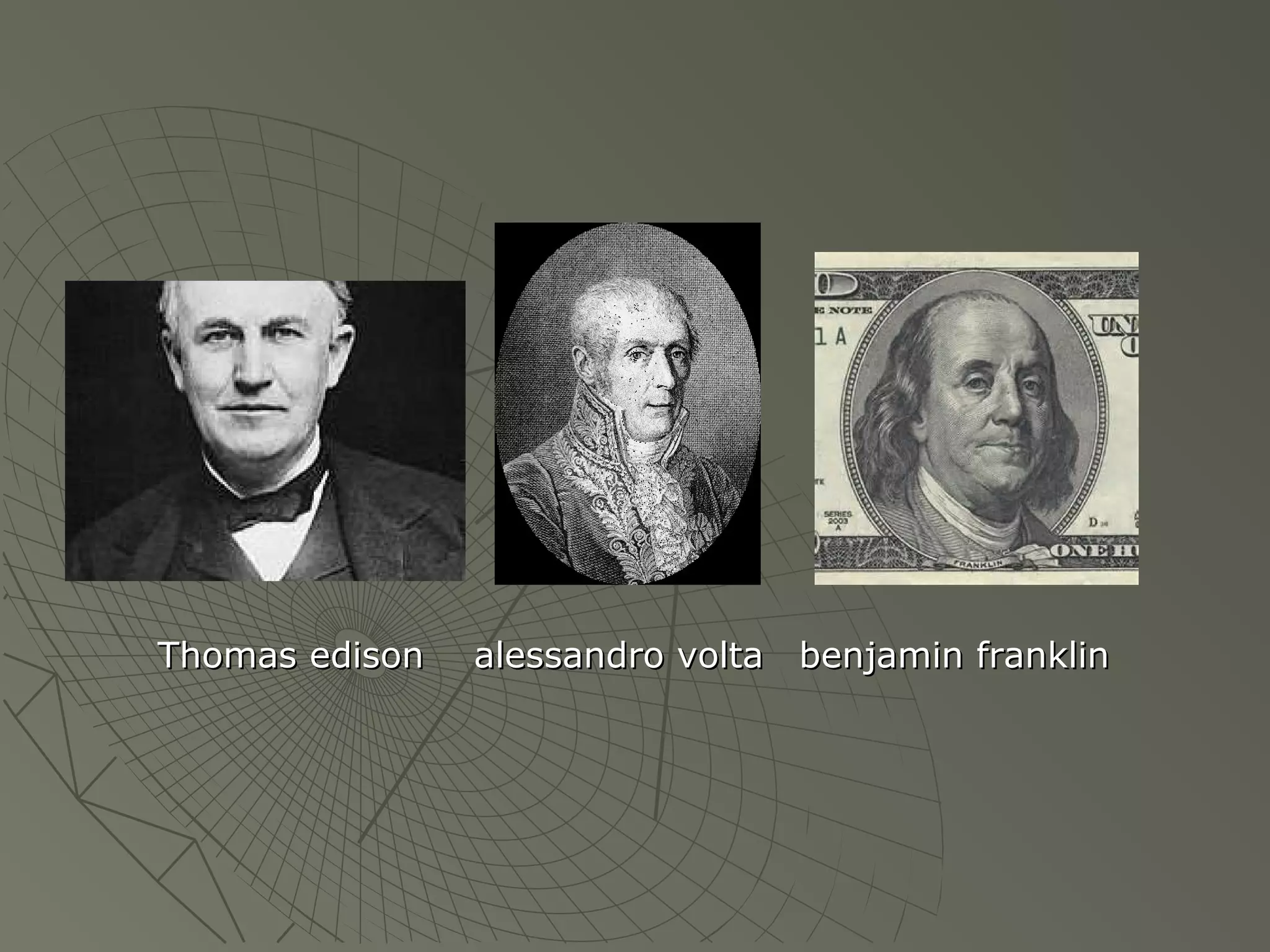
Thales planted the seed of curiosity. Gilbert started classifying electric behaviors. Franklin tamed the lightning and understood its electric charge. Alessandro Volta invented the first electric battery. Michael Faraday discovered electromagnetic induction, paving the way for electric generators and motors. It's a long list!
So, while Thales might not be the sole "discoverer" of electricity, he's undoubtedly the first person we know of to have documented this fascinating phenomenon. He was the first to ask, "Hey, what's going on with this amber?" And that, my friends, is a pretty electrifying achievement in itself!
Ultimately, the story of electricity is a testament to human curiosity and the power of observation. It's a reminder that even the smallest spark of an idea can lead to something truly extraordinary. And it all started with a philosopher, a piece of amber, and a very curious mind.