
Who Uses Wind Energy The Least
Ever woken up, stumbled to the kitchen, and flipped on the light switch without a second thought? Or plugged in your phone, expecting it to hum back to life? That's energy at work, quiet and constant, powering our incredibly busy, modern lives. We don't often stop to think about where it comes from, right?
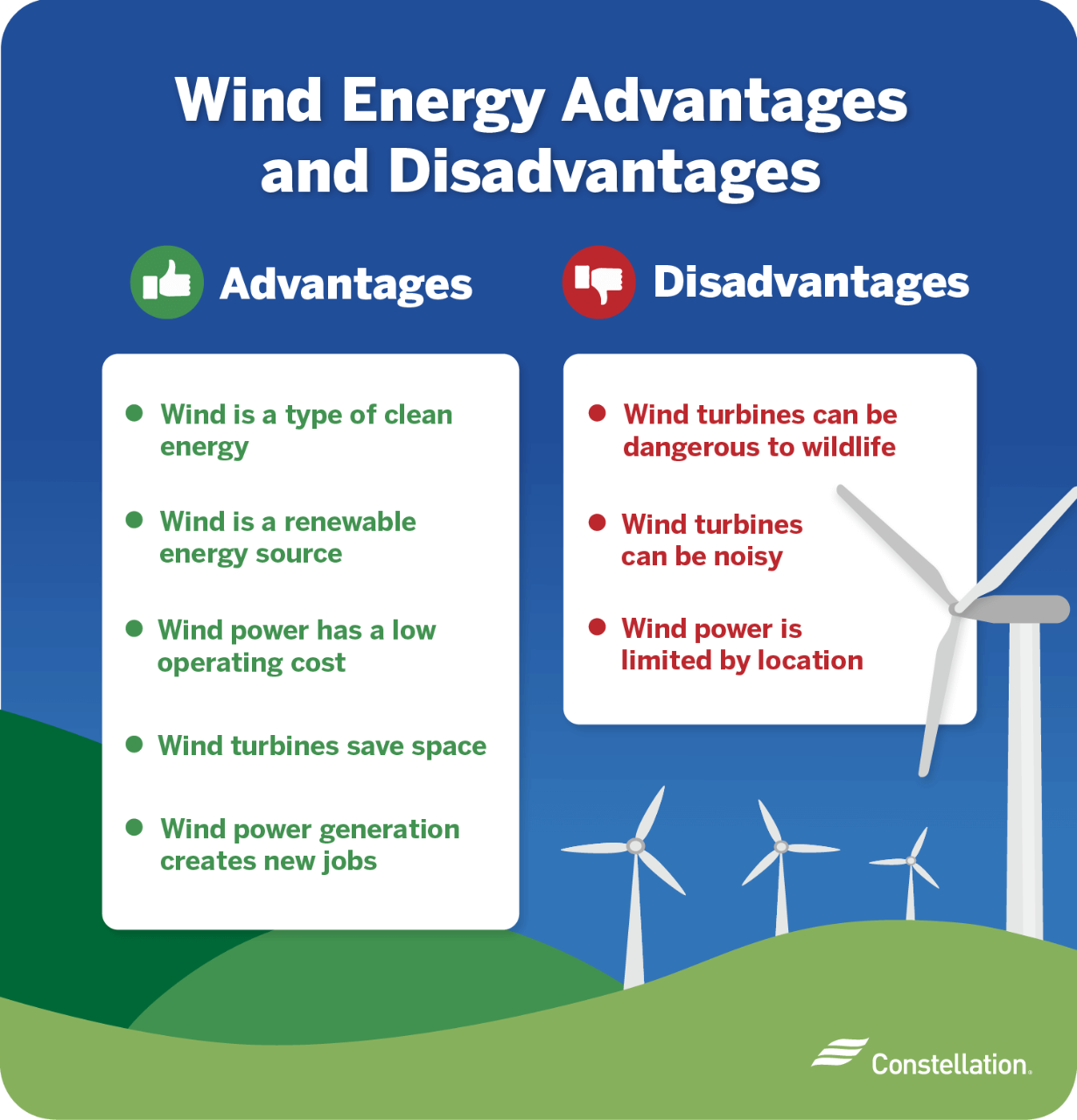
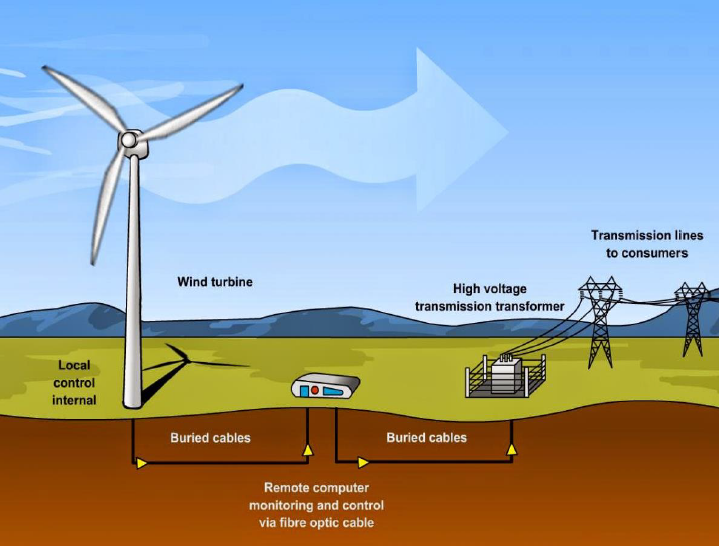
For a lot of us, the idea of tapping into something as mighty and free as the wind to power our homes is pretty cool. Imagine harnessing nature's own breath! Wind turbines, those elegant giants, are doing just that, spinning away to create clean, green electricity. But here's a little secret: not everyone is catching this breeze. In fact, some parts of our world are barely touching wind energy at all. So, who are these wind-averse folks, and more importantly, why should we even care?
The Usual Suspects: Who's Not Quite Catching the Wind?
Think of it like this: some places are just not set up for a good kite-flying day.
Must Read
Geography and Weather Whims: First up, we have regions that simply aren't blessed with consistent, strong winds. Building a wind farm in a place where the air usually just… sits there, would be like trying to run a fan in a vacuum. A bit pointless, right? These might be very sheltered valleys or large, flat landlocked areas without the necessary air currents. Conversely, some places might have winds that are too wild – think hurricanes or extreme blizzards. It’s tough to build and maintain massive turbines when Mother Nature is constantly throwing a tantrum. Imagine trying to keep a garden tidy when a tornado keeps visiting!
The "Been There, Done That" Crowd: Then there are countries rich in other energy sources, especially fossil fuels like oil, gas, or coal. If you're sitting on a massive underground lake of crude oil, switching to wind might seem like a lot of hassle. It’s a bit like having a fridge full of last night's delicious leftovers – why bother cooking something new when you've got an easy option right there? The incentive to invest big bucks in new, cleaner tech just isn't as strong when you're already flush with existing resources.
The "Baby Steps" Crew: For many developing nations, the priority often lies with providing basic, affordable electricity to a growing population, even if it's from less clean sources. The initial investment for large-scale wind projects can be enormous. It’s like choosing between buying a brand-new, super-efficient electric car or a reliable, affordable bicycle when you're just trying to get to work. Sometimes, the immediate, practical solution wins out.
The "Not In My Backyard" Gang & Old School Grids: Lastly, there are places where even with decent wind, there are other hurdles. Sometimes it's the "NIMBY" (Not In My Backyard) syndrome, where people don't want the visual impact or potential noise of turbines near their homes. It's understandable; nobody wants a giant whirring pinwheel outside their bedroom window without a good reason! Plus, some older electrical grids simply aren't designed to handle the variable nature of wind power. It's like trying to stream a 4K movie on dial-up internet – the infrastructure just isn't ready for the modern demands.
So, Why Should You Care if Someone Else Isn't Windy?
You might be thinking, "Hey, if my lights are on, why worry about someone else's lack of turbines?" Well, buckle up, because this is where it gets interesting and surprisingly personal!

It's a Global Breath of Fresh Air (or Lack Thereof): Pollution doesn't carry a passport. If countries are burning more fossil fuels because they're not using wind, that smoke and those emissions don't just magically stop at their border. They float, they mix, and they contribute to global climate change that affects all of us. Remember that time your neighbour's BBQ smoke drifted into your yard? Multiply that by a million, and you've got the global picture.
Making It Cheaper for Everyone: Think of smartphones. When they first came out, they were super expensive and exclusive. But as more and more people bought them, companies invested more in research, production scaled up, and prices dropped dramatically. The same goes for wind energy! The more countries invest and build wind farms, the more innovation happens, and the cheaper and more efficient the technology becomes for everyone. So, another country's investment could mean lower energy bills for you down the line!
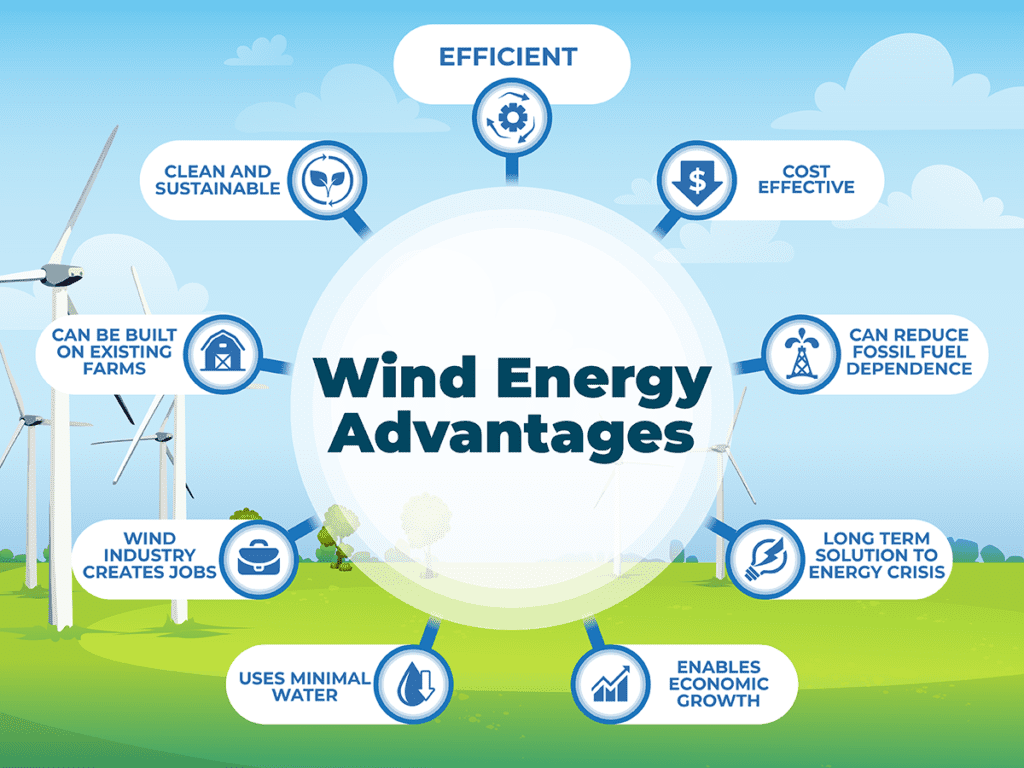
Stability in a Breezy World: When some nations rely heavily on a few sources (like oil or gas), it makes the global energy market a bit wobbly. Prices can jump around like a hot potato, affecting everything from your heating bill to the cost of groceries. Diversifying energy sources worldwide, with more wind power, helps create a more stable, predictable, and ultimately fairer energy landscape for all. It's like having a diverse portfolio of snacks – if one type runs out, you're not left hungry!
Leaving a Brighter, Breezier Legacy: Ultimately, caring about who uses wind energy the least is about our collective future. It's about ensuring cleaner air for our kids to breathe, more stable climates, and a world where energy is accessible and sustainable for everyone. It’s about being part of a solution, not just observing a problem. Imagine explaining to your grandkids why we didn't try to make things better when we had the chance.
So, while some parts of the world are still finding their wind legs, the collective journey towards a cleaner, windier future is one we're all on. Every country, every community, and even every one of us, has a role to play in catching that clean energy breeze. Let's make sure our sails are full!
