
Who Pays For Electric Car Charging Stations

So, you're cruising down the road in your shiny new electric car, feeling all eco-friendly and smug (we kid, we kid!). But then that battery light starts blinking, and you think, "Okay, where do I plug this baby in, and more importantly... who's footing the bill?" Turns out, the answer is a little more complex – and surprisingly entertaining – than you might think.
The Three Musketeers of Charging Costs
Think of paying for electric car charging like a three-way partnership. There are a few main players involved in keeping your EV humming along:
- You, the Driver: Obvious, right? You’re the one needing the juice, so in many cases, you’re the one pulling out your wallet (or tapping your phone).
- The Charging Station Owner: This could be a gas station branching out, a supermarket trying to lure you in for some grocery shopping while you charge, or even your own company, offering free charging as a perk.
- The Government (Sometimes): Yep, Uncle Sam (or your local equivalent) might be chipping in through grants, tax breaks, or direct subsidies to encourage the installation of charging stations. They see EVs as the future, and they're willing to put their money where their mouth is – sometimes.
Charging at Home: The Cozy Option
Let's start with the simplest scenario: charging at home. This is often the cheapest and most convenient option. You're basically just paying your regular electricity bill. Think of it as plugging in a really, really big toaster. Of course, installing a Level 2 charger (which charges faster) might require some upfront costs, but many people find it’s worth it in the long run. Just imagine: waking up every morning with a full "tank" without ever having to visit a gas station. The dream!
Must Read
Public Charging: The Wild West
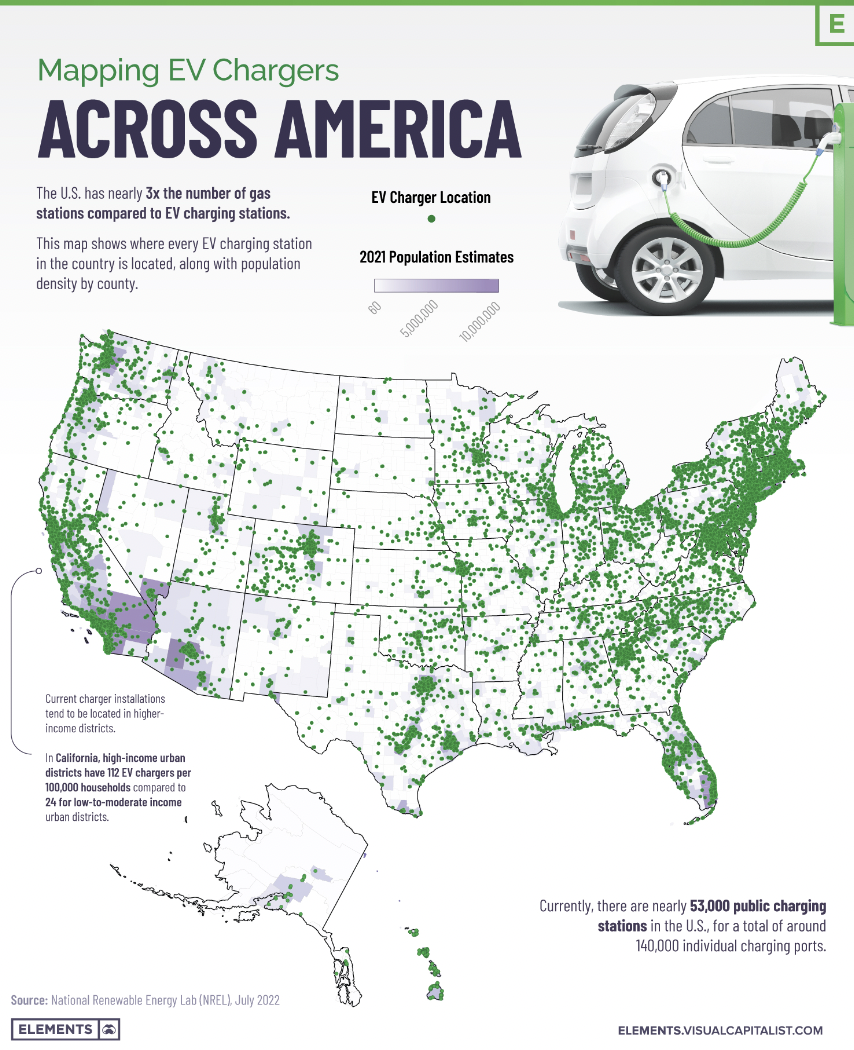
Public charging is where things get a bit more interesting. Prices can vary wildly depending on the network, the charging speed, and even the time of day. It's a bit like the Wild West out there! Some stations are free (yay!), often as a perk at hotels or shopping centers hoping you'll spend some money while you wait. Others operate on a pay-per-use basis, either charging by the kilowatt-hour (kWh) or by the minute. Some even have subscription models.

One thing to keep in mind is that demand pricing is becoming increasingly common. Just like airlines and hotels, charging networks might jack up prices during peak hours. So, if you can, try to charge during off-peak times (like late at night) to save some money.
Who REALLY Pays? A Story of Community and Coffee
Here's a heartwarming (and slightly humorous) story I heard. A small town in Vermont decided to install a public charging station right next to the local coffee shop. The town council secured a grant to cover most of the installation costs, and the coffee shop owner agreed to offer a discount on coffee to anyone who was charging their car. Talk about a win-win! Now, EV drivers from miles around flock to this little town, charging their cars, sipping lattes, and supporting the local economy. It’s a perfect example of how everyone can benefit from the electric car revolution.
The Future is Electric (and Hopefully Affordable)
As more and more people switch to electric cars, the charging infrastructure is only going to grow and evolve. We can expect to see more competition among charging networks, which will hopefully lead to lower prices and more standardized pricing models. There's even talk of wireless charging pads embedded in roads! Imagine driving down the highway and topping up your battery without even stopping.
Ultimately, who pays for electric car charging is a shared responsibility. Drivers pay for the electricity they use, charging station owners invest in the infrastructure, and governments provide incentives to accelerate the transition to a cleaner, more sustainable future. So, next time you plug in your EV, take a moment to appreciate the complex ecosystem that's making it all possible. And maybe grab a coffee while you wait. You deserve it!

