Who Is The First Person To Discover Electricity

So, you wanna know who discovered electricity, huh? That's a big question! It's not like someone woke up one morning and was like, "Eureka! I've invented lightning!" It's a bit more complicated than that (isn't everything, though?).
Technically, pinpointing a single "discoverer" of electricity is tough. It's more like a gradual accumulation of observations and experiments. But, if we're talking about the earliest known documented interactions with electrical phenomena, we've gotta give a shout-out to...wait for it...ancient Greece!
Thales of Miletus: The OG Spark Chaser
Yep, we're going way back, like, 600 BC. This guy, Thales of Miletus, was a philosopher (and probably a really interesting dinner guest). Now, Thales wasn't exactly playing with power grids, okay? His big discovery? Rubbing amber (that fossilized tree resin stuff) with fur. Bet you didn't see that coming!
Must Read
He noticed that when you rubbed amber, it attracted lightweight objects like feathers or bits of fluff. Whoa! Pretty cool for a guy living way before iPhones and TikTok, right? He didn't know why this happened, but he observed it. And that, my friend, is the foundation of scientific discovery! So, was he the discoverer? Debatable, but definitely a pioneer.
Think of it like this: Thales found the first little, tiny, baby spark. And from that spark, we eventually got everything from toasters to Teslas. Wild, huh?
/GettyImages-538349053-58f845a25f9b581d59cf5213.jpg)
But wait, there's more! (Of course, there is)
It's not like everyone else just chilled after Thales' amber-rubbing extravaganza. For centuries, not much happened (science wasn't exactly a high priority back then). Then, around the 1600s, things started buzzing again. Scientists, curious cats that they are, began experimenting more.
People like William Gilbert (not to be confused with W.S. Gilbert of Gilbert & Sullivan fame!), an English physician, coined the term "electricus" from the Greek word for amber, "ēlektron." He also figured out that other materials besides amber could be electrified. Progress!
And let's not forget Otto von Guericke (try saying that three times fast!), who invented the first electrostatic generator. Basically, it was a sulfur ball that, when rotated and rubbed, produced static electricity. Super fancy stuff! (Okay, maybe not by today's standards, but back then it was mind-blowing!)
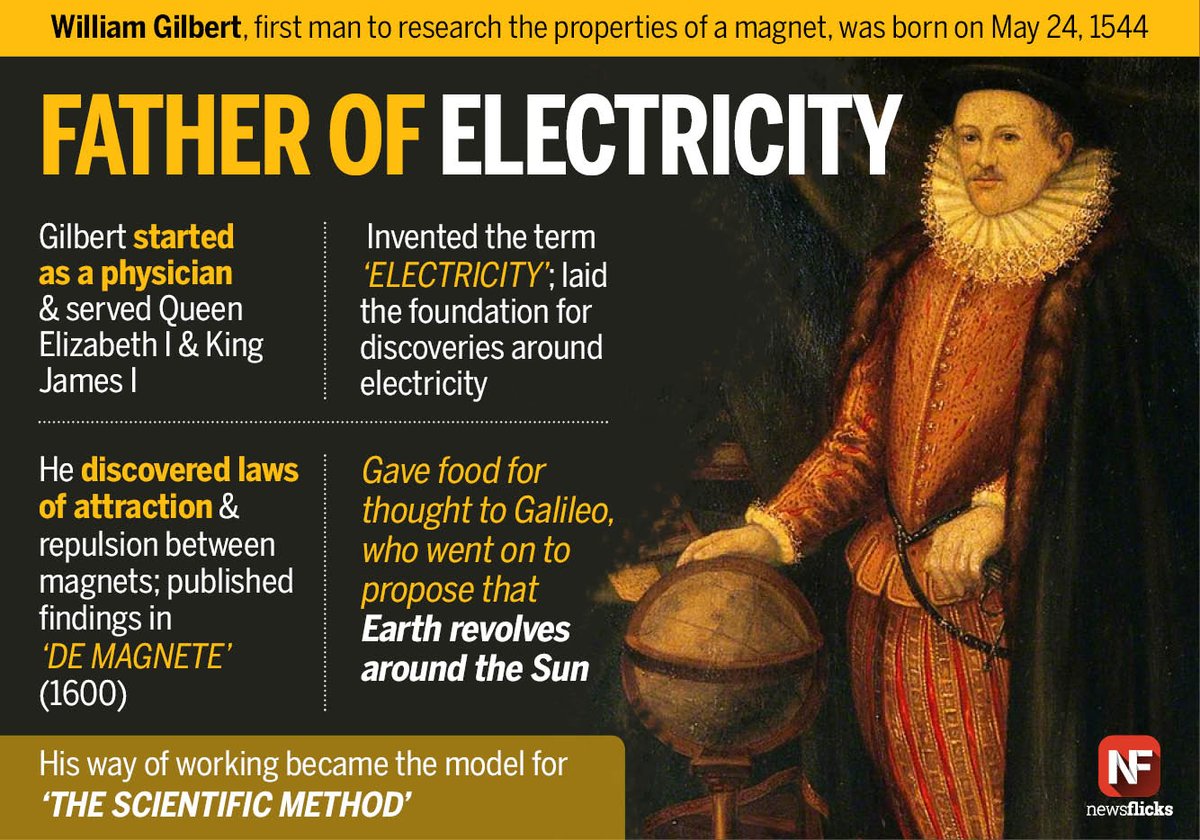
So, all these guys were contributing to the growing understanding of electricity. It was a team effort, really. A slow-burn discovery. Kinda like figuring out the plot of a really confusing movie.
So, who really discovered electricity?
The unsatisfying (but honest) answer? It’s complicated! If you absolutely need a single name to drop at your next cocktail party (and impress everyone with your vast knowledge of obscure historical science facts), you could say Thales of Miletus. But be sure to add the caveat that he only observed the initial phenomenon.
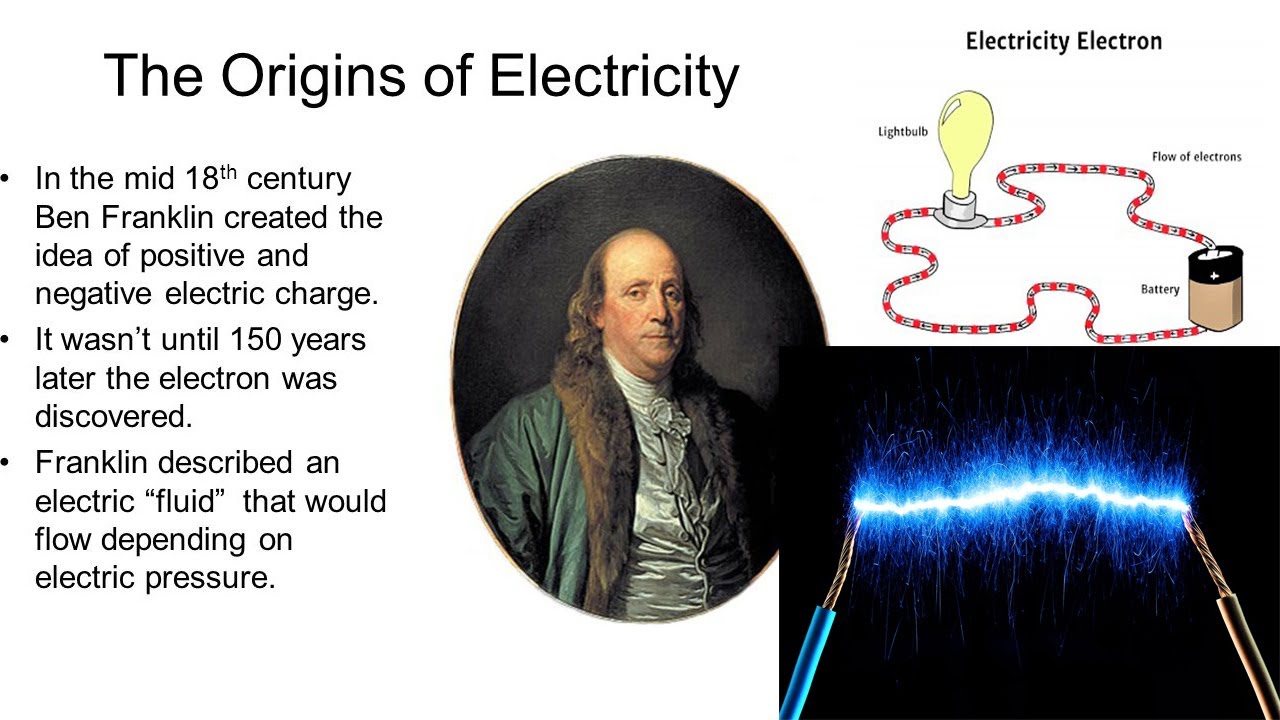
Because here's the thing: Discovering something isn't just about seeing it; it's about understanding it and building upon that understanding. Thales saw the amber effect, but he didn't explain it or develop practical applications for it. That came later, with generations of scientists building on each other's work.
Think of it like this: He found a single puzzle piece. The rest is history. He set the stage, creating a foundation upon which future scientists built their groundbreaking and world-changing discoveries. What a legacy, right?
Ultimately, the "discovery" of electricity wasn't a single event but a process, a long and fascinating journey of observation, experimentation, and innovation. So, raise a glass to all the spark chasers who helped illuminate our world!