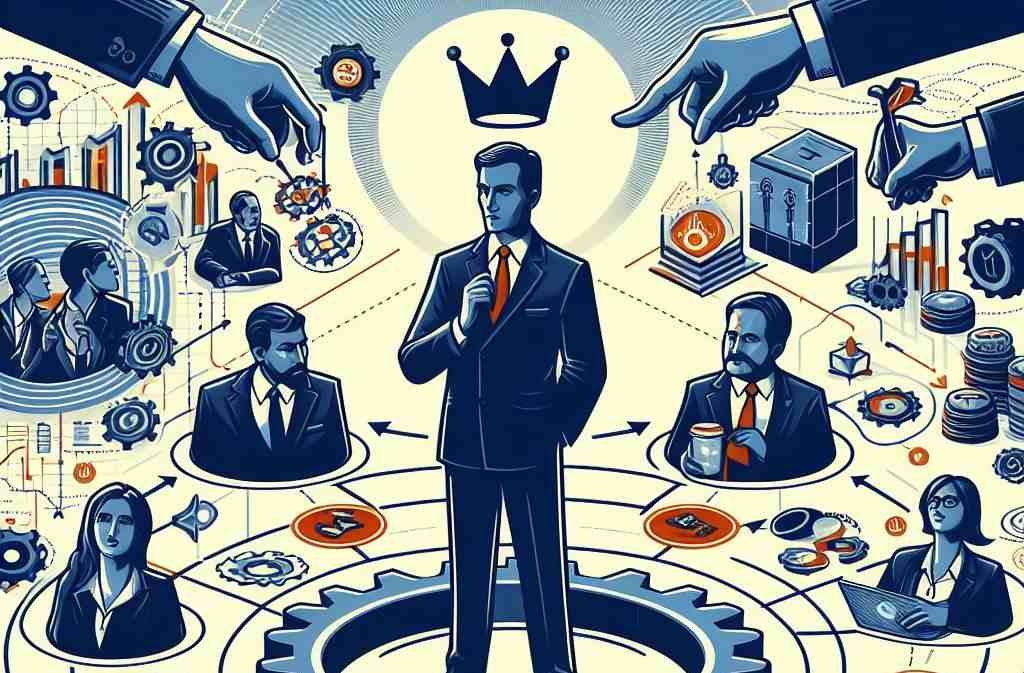
Who Are The Key Decision Makers In A Business

Ever wondered who's really calling the shots at your favorite coffee shop or the cool new tech company everyone's talking about? Knowing who the key decision makers are in a business is like knowing who's holding the remote at a family movie night – it helps you understand why things are the way they are, and sometimes, even influence the channel (or the strategy!).
Think of a business like a deliciously layered cake. You’ve got different ingredients, each playing a vital role. The key decision makers are the ones who decided on the recipe, the baking time, and even the frosting! They’re the people who shape the company's direction and success.
Okay, But Why Should I Care?
Great question! Why bother knowing who's steering the ship? Well, imagine you have a brilliant idea to make your local grocery store even better. Knowing who to talk to – the store manager versus the regional director – can be the difference between your idea being implemented and… well, going stale like day-old bread.
Must Read
Understanding the decision-making structure can also help you in your career. Knowing who to impress, whose opinions matter, and how decisions are made can give you a serious leg up. It's like knowing the password to the secret Wi-Fi network – suddenly, you're connected and in the know!
Meet the Usual Suspects
So, who are these influential figures? Let's break it down:

- The CEO (Chief Executive Officer): Think of them as the captain of the ship, setting the overall direction and making the biggest calls. They’re usually responsible to the board of directors and shareholders.
- The Board of Directors: This is like a group of advisors or investors who oversee the company's performance and make major decisions about strategy and governance. They’re like the ultimate judges on a talent show – they have the final say!
- CFO (Chief Financial Officer): They're the money masters, responsible for managing the company's finances. They're the ones who know exactly how much sugar is in the cake and if they can afford to add more sprinkles!
- CMO (Chief Marketing Officer): These folks are the storytellers of the company, responsible for marketing and branding. They decide how the cake is presented to the world and how to make everyone want a slice.
- COO (Chief Operating Officer): Often, this person is the engine that keeps things running smoothly. They’re in charge of the day-to-day operations, making sure everything is baked to perfection.
- Department Heads/VPs: These are the team leaders, responsible for specific departments like sales, HR, or product development. They’re like the sous chefs in our cake analogy, managing specific elements of the process.
Beyond the Titles: Influence is Key
It's important to remember that titles aren't everything. Sometimes, someone with a lower-level position can wield considerable influence, especially if they have unique expertise or strong relationships. Think of that employee who always knows where to find the best deals – they might not be the CEO, but their opinion is gold.
For example, at your local bookstore, the manager probably makes decisions on daily promotions, like “10% off Mystery Novels.” However, the regional buyer at the corporate office decides what books the stores will carry in the first place.

Uncovering the Decision-Making Web
So, how do you figure out who the key decision makers are? Start by paying attention! Observe how decisions are made. Who attends important meetings? Whose opinions are valued? Who seems to have the ear of the CEO?
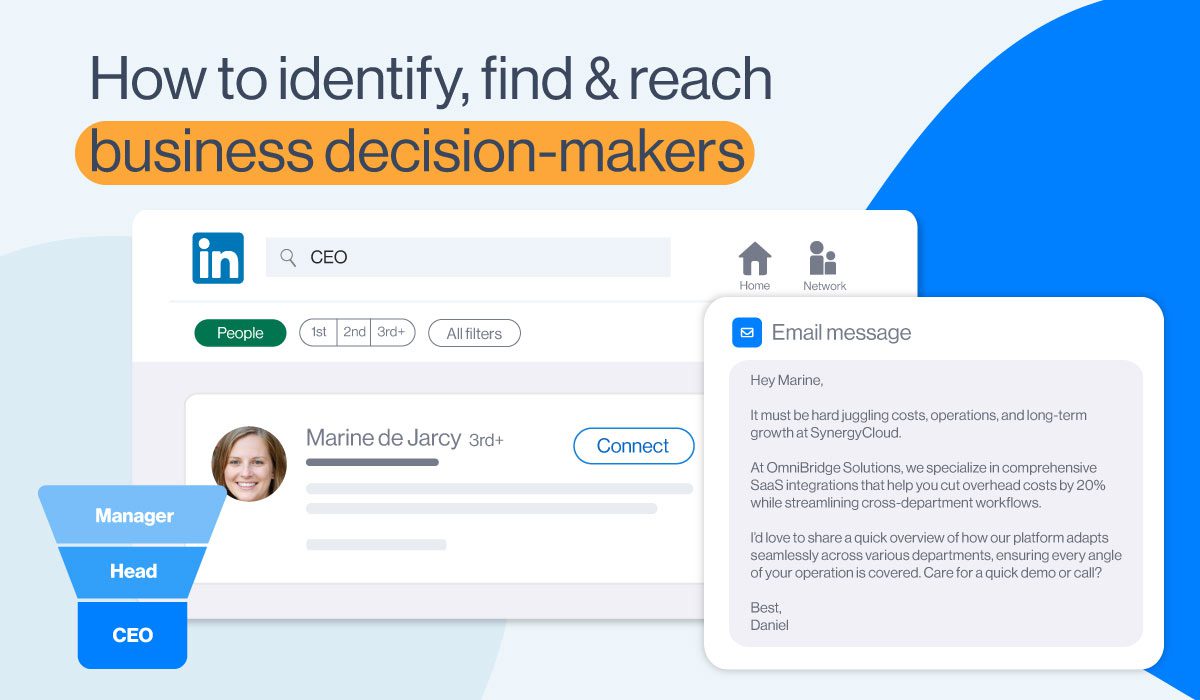
You can also do a little research online. Check out the company's website and LinkedIn profiles. Attend industry events and network with people in the know. Ask questions (politely, of course!). It’s like being a detective, gathering clues to solve the puzzle of who's really in charge.
Ultimately, understanding the decision-making dynamics within a business can empower you as a customer, employee, or even a competitor. It gives you valuable insights into why things are the way they are, and how you can potentially influence them. So, the next time you walk into a business, take a moment to look beyond the surface and consider who's really shaping the experience. You might be surprised at what you discover!
Think of it this way: Now you can start playing the game, instead of just watching from the sidelines.