
Which Way To Turn Switch On Ceiling Fan In Summer

Ah, the ceiling fan. A whirring, whooshing symbol of summertime comfort! For many of us, it's the unsung hero of hot afternoons and sweltering nights. There's something incredibly satisfying about flipping that switch and feeling a gentle breeze wash over you, chasing away the stickiness and bringing a sense of cool relief. Whether you're enjoying a good book, watching a movie, or just trying to get some shut-eye, a ceiling fan can be a game-changer.
But a ceiling fan is more than just a source of comfort. It’s actually a pretty clever and efficient way to manage the temperature in your home. In the summer, the goal is to create a downdraft. This means the fan blades need to push air downwards, creating that lovely breeze we all crave. This breeze helps to evaporate moisture from your skin, making you feel cooler even if the actual temperature of the room hasn't changed. Think of it as a personal air conditioner, but without the hefty electricity bill!
You see ceiling fans in all sorts of places: living rooms, bedrooms, kitchens, even covered patios. They come in a vast array of styles, from the classic three-blade model to sleek, modern designs with integrated lighting. Some even have remote controls, offering ultimate convenience at your fingertips. The beauty of a ceiling fan is its versatility. It's a relatively inexpensive way to improve air circulation and make a room feel more comfortable, especially when used in conjunction with an air conditioner. In fact, using a ceiling fan allows you to raise your thermostat a few degrees, saving you even more money on your energy bill!
Must Read
So, how do you make sure your ceiling fan is working its magic to its full potential during the summer months? Here's the crucial bit: direction matters! Look at the base of your fan. You should find a small switch. This switch controls the direction of the blades. For summertime coolness, you want the blades to be rotating counter-clockwise when you're looking up at the fan. This will pull air up and push it down, creating that refreshing breeze. If your fan is rotating clockwise in the summer, it's actually pulling air up and creating an updraft, which isn't what you want.
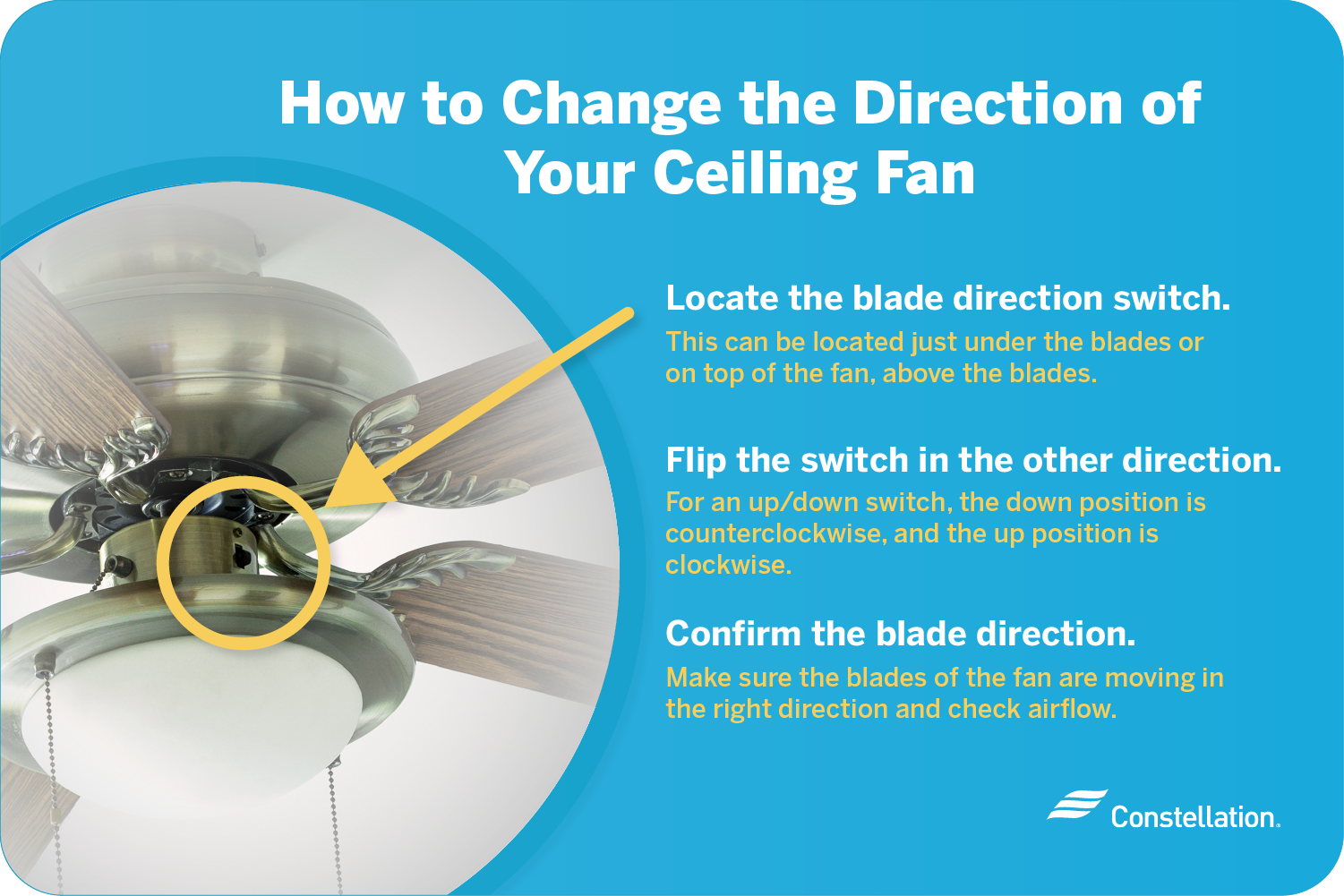
Here are a few extra tips to maximize your ceiling fan experience: Firstly, make sure your fan is the right size for your room. A small fan in a large room won't be very effective. Secondly, clean your fan blades regularly! Dust buildup can weigh the blades down and reduce their efficiency. Thirdly, adjust the fan speed to suit your needs. A high speed is great for really hot days, while a lower speed can provide a gentle, comfortable breeze when the temperature is more moderate. Finally, consider using your ceiling fan in conjunction with your air conditioner. It can help to distribute the cool air more evenly throughout the room, making your AC more efficient and saving you money.
So, go ahead, flip that switch (the right way!) and enjoy the cool comfort of your ceiling fan. It's a simple pleasure that can make a big difference in your summertime comfort and your energy bill. Enjoy!


