
Which Way To Put Fan In Summer

Okay, folks, let's talk about summer. Specifically, that particular brand of summer night where you're lying in bed, a thin sheet clinging to you like a sweaty second skin, and the air in your room feels less like "air" and more like "a warm, slightly oppressive blanket." You’ve got your trusty fan whirring away, but something feels… off. Is it helping? Is it just pushing the hot air around? Or, heaven forbid, is it actually making things worse?
I swear, there have been nights when I’ve spent more time adjusting the fan, rotating it 180 degrees, then 90 degrees, then pointing it vaguely at the ceiling, all while muttering to myself, "Is this the way? Is this the optimal airflow, you mechanical wizard?" It's a universal summer struggle, isn't it? We all just want to be cool, but the question of which way to point the fan feels like a secret handshake only true summer survivalists know.
Well, grab a cool drink, because we’re about to demystify this. It turns out, there's a method to the madness, and it all boils down to one crucial thing: where the heat is.
Must Read
The Core Principle: Inside vs. Outside Temperature
This is your golden rule, your north star in the sweltering heat. Before you even touch that fan, ask yourself: Is it hotter inside my room, or outside my window?
The answer to that question dictates everything, seriously. It’s like the fan whisperer’s first lesson. You're either trying to get rid of hot air, or bring in cool air. Simple, right? But oh so often overlooked!
Strategy 1: The "Exhaust" Method (Pushing Hot Air OUT)
Imagine your room has been baking all day. The sun's gone down, but the walls are still radiating heat, and the air inside feels like a warm hug you didn't ask for. Meanwhile, outside, the temperature has finally started to drop. This is your cue for the exhaust method.

How to do it: Place your fan in or near a window, with the fan blades facing outward. It should be blowing air out of the room.
Why it works: By pushing the hot, stagnant air out, you're creating a slight negative pressure in your room. This then draws in cooler air from other open windows or doors in your house. It's like giving your room a big, deep, refreshing sigh. Ahhh, relief!
This is especially effective during the evening and night when the outdoor air is finally cooler than indoors. You're essentially telling that hot, grumpy indoor air, "Alright, buddy, time to go!"
Strategy 2: The "Intake" Method (Pulling Cool Air IN)
Now, let's flip the script. Maybe it’s early morning, or a particularly mild summer day, and the air outside feels delightfully crisp and cool. Your room, however, is still feeling a bit stuffy. This is when you want to play the intake game.
How to do it: Place your fan in or near a window, with the fan blades facing inward. It should be blowing air into the room.
Why it works: You're actively pulling that beautiful, cool outdoor air directly into your space. It's like having your own personal, natural air conditioner. Glorious!
Just make sure that if you’re pulling air in from one side of the house, you have an exit point (another open window or door) on the opposite side to allow the warmer indoor air to escape. This creates a lovely cross-breeze.

Strategy 3: The "Just Circulate It, Baby!" Method (No Windows Involved)
What if there’s no significant temperature difference between inside and outside? Or maybe you don't have a convenient window to use? Don’t despair! Your fan isn’t useless. Sometimes, you just need to move the air around.
How to do it: Point the fan directly at yourself, or strategically position it to create a breeze across the room.
Why it works: Even if the air isn't getting cooler, moving air helps evaporate sweat from your skin, which creates a cooling effect. It's the same principle as a light breeze feeling good on a warm day. Plus, it just feels less stuffy when the air isn't completely still. Think of it as creating your own personal wind tunnel – perfect for lounging on the couch, right?
Advanced Tactics: Cross-Ventilation & The Ice Bowl Hack
Feeling like a fan pro now? Let's level up!

-
Cross-Ventilation Power-Up: If you have multiple fans, use them together! Place one fan in a window blowing out (exhaust) on one side of the room/house, and another fan in a window blowing in (intake) on the opposite side. This creates a powerful, efficient airflow that can transform your living space. It’s fan synergy, baby!
-
The Ice Bowl Hack: This is an oldie but a goodie for when you need a little extra chill. Place a shallow bowl or pan full of ice or frozen water directly in front of your fan. When the fan blows over the ice, it’ll circulate a stream of cooler, slightly humidified air, mimicking a mini air conditioner. Yes, we're basically MacGyvering our way to comfort, and it's fantastic!
Don't Forget Your Ceiling Fan!
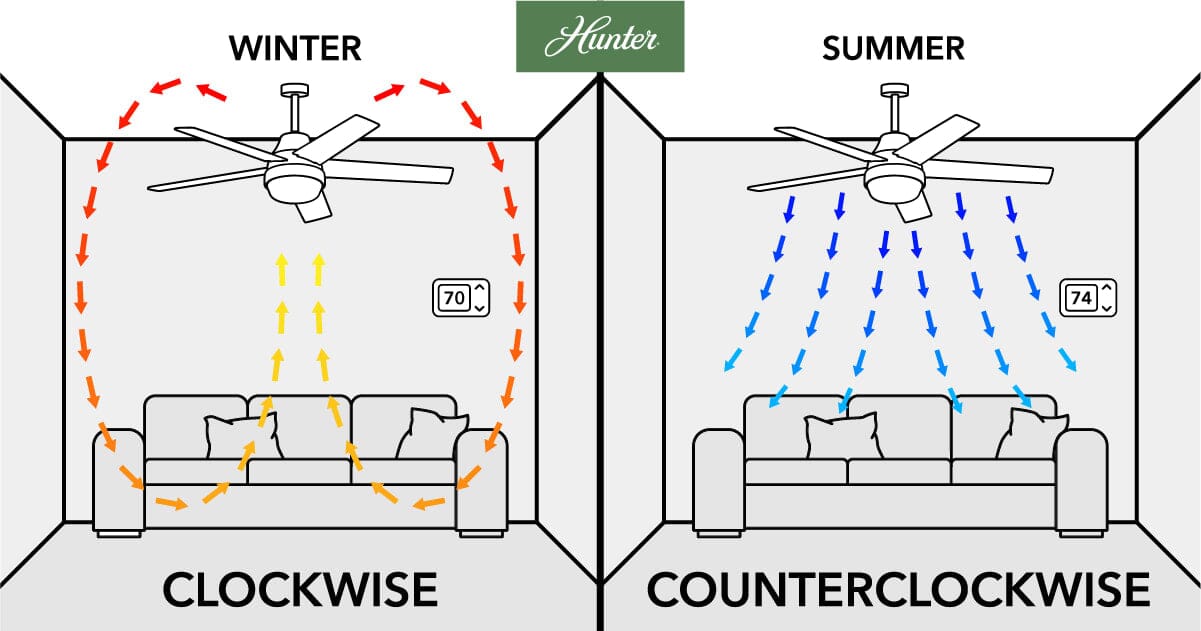
Oh, the unsung hero of many a summer. Your ceiling fan isn't just for decoration, and it has a secret weapon: a reverse switch! For summer, ensure your ceiling fan blades are spinning counter-clockwise (as you look up at it). This pushes air downward, creating a wind-chill effect that will make you feel cooler. In winter, you reverse it to pull warm air up. Mind blown, right?
So, there you have it. No more frantic fan adjustments in the dead of night. With a little thought about where the heat is, you can turn your humble fan into a powerful ally against the summer swelter. Go forth and fan strategically, my friends, and may your summers be cool and breezy!