Which Way Should Your Fan Turn In The Summertime
Let's be honest, few things spark as much debate in the summer as the direction of a ceiling fan. It’s a silent battle fought in living rooms and bedrooms across the globe, a quest for optimal coolness fueled by whispered opinions and desperate thermostat adjustments. But beyond the domestic squabble, understanding which way your fan should turn is less about winning an argument and more about harnessing a mini-tornado of comfort and efficiency.
While it might seem mundane, knowing this simple trick can actually benefit a wider range of people than you might think! Are you a budding artist trying to keep your paint from drying too quickly in the heat? Proper air circulation can be a game-changer. Perhaps you're a dedicated hobbyist working on a model airplane in your garage; a strategically spun fan can help dissipate fumes and keep you comfortable. Or maybe you're just a casual learner eager to understand the physics behind everyday phenomena. Whatever your interest, mastering the fan direction can improve your environment and understanding.
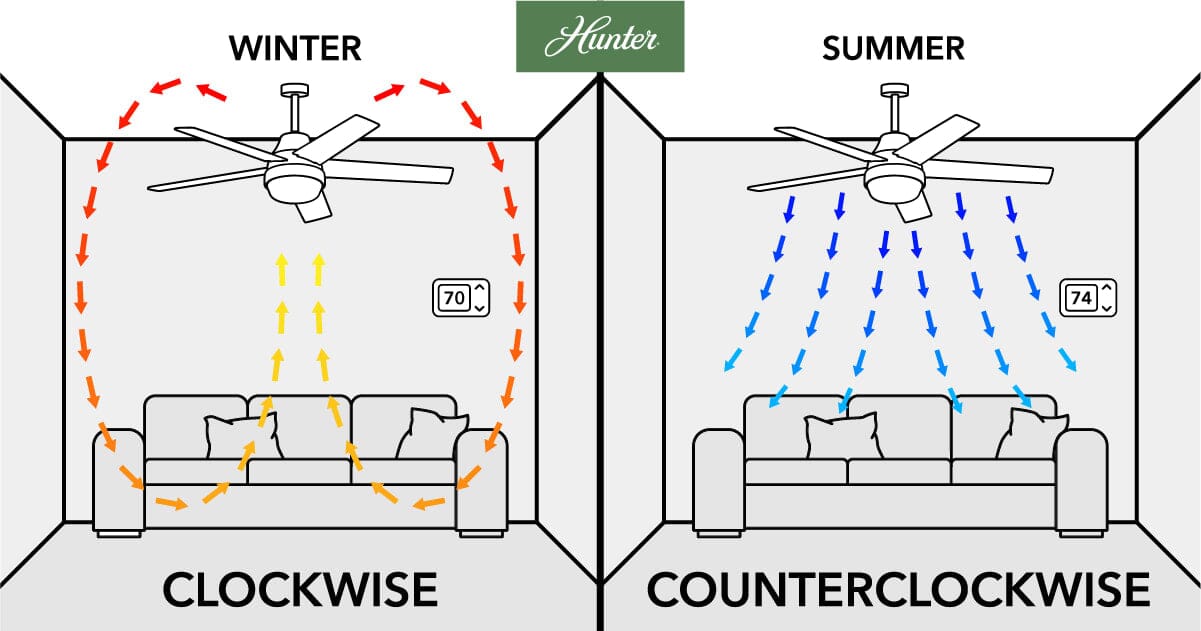
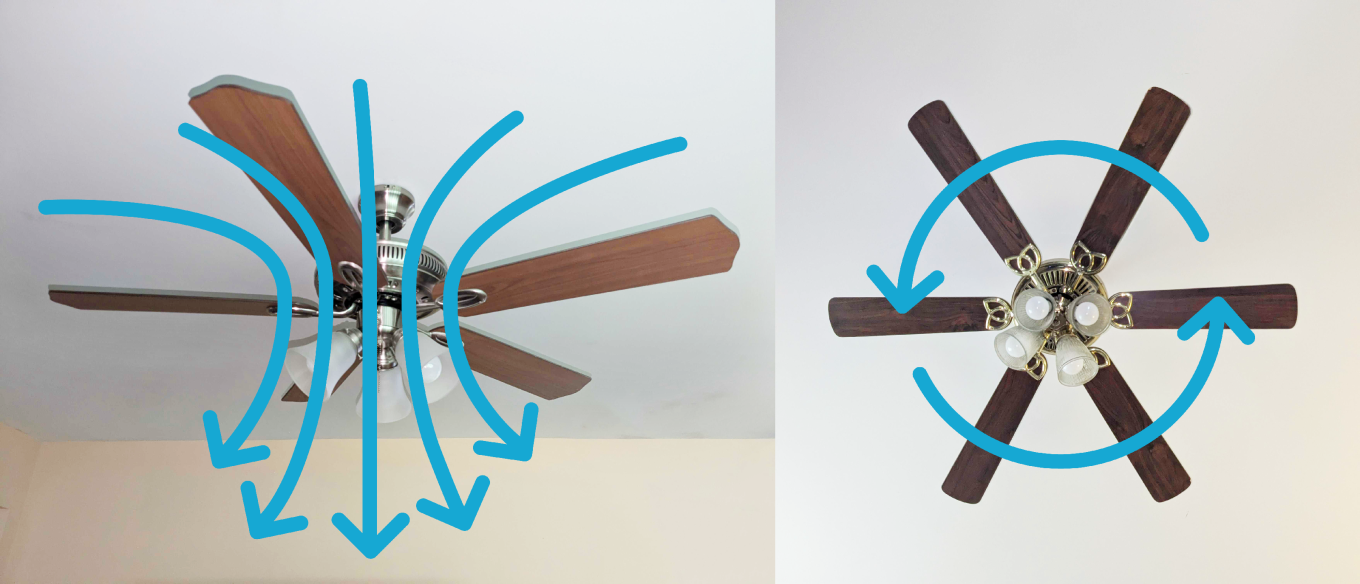
So, which way should it turn? During the summer months, your ceiling fan should rotate counter-clockwise (when looking up at it). This creates a downdraft, pushing the air straight down and creating a cooling breeze. Imagine standing under a gentle waterfall of refreshing air - that's the effect you're aiming for! Some fans even have a handy switch on the motor housing to easily reverse the direction. Others might require a more involved adjustment, so be sure to consult your owner's manual.
Must Read
The physics behind this is simple: The downdraft doesn't actually cool the air itself; it cools you. By moving air across your skin, it encourages evaporation, and evaporation is a cooling process. Think of it like sweating – your body naturally uses evaporation to regulate its temperature. The fan simply speeds up that process, making you feel cooler even if the room temperature remains the same. This also allows you to raise your thermostat a few degrees, saving energy and money on your electricity bill. It's a win-win!
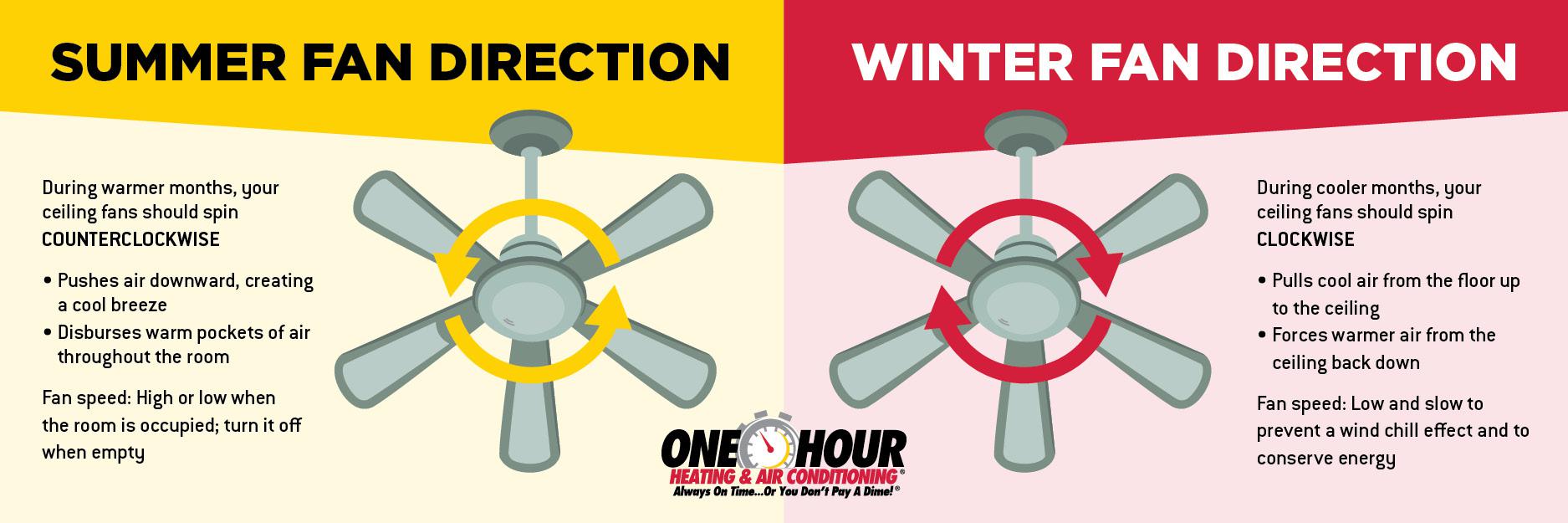
Trying it at home is easy! First, safely ensure the fan is off. Locate the small switch on the motor housing. It's usually near the base where the blades connect to the motor. Flip the switch to change the direction. Turn the fan back on and observe which way the blades are rotating. If it's not counter-clockwise (in summer), repeat the process. Experiment! Observe how the airflow changes in your room. You might even find that slightly adjusting the fan speed along with the direction gives you the perfect level of comfort.
Ultimately, understanding and utilizing your ceiling fan properly is about more than just escaping the heat. It's about taking control of your environment, optimizing your comfort, and appreciating the simple joys of a well-ventilated space. It’s a small adjustment that can make a big difference, transforming a stuffy summer day into a breezy and enjoyable experience. And who doesn't want that?