
Which Way Should The Fan Turn In The Summer

Picture this: It's a sweltering summer day. You're sticky, grumpy, and the ice cream you just bought is melting faster than you can eat it. Your only hope? The ceiling fan.
But wait! Is it even helping? You stare up, squinting. Suddenly, a terrifying thought creeps in: "Am I even spinning this thing the right way?!"
The Great Fan Direction Debate
Don't worry, you're not alone. This simple question, "Which way should the fan turn in the summer?" has sparked countless family arguments and even a few friendly bets.
Must Read
It's like a modern-day riddle, isn’t it? A mystery hidden in plain sight, whirring silently above our heads.
But fear not, dear reader! We're here to demystify this swirling enigma and bring peace (and coolness) to your home.
Summer Spin: Counterclockwise Cool
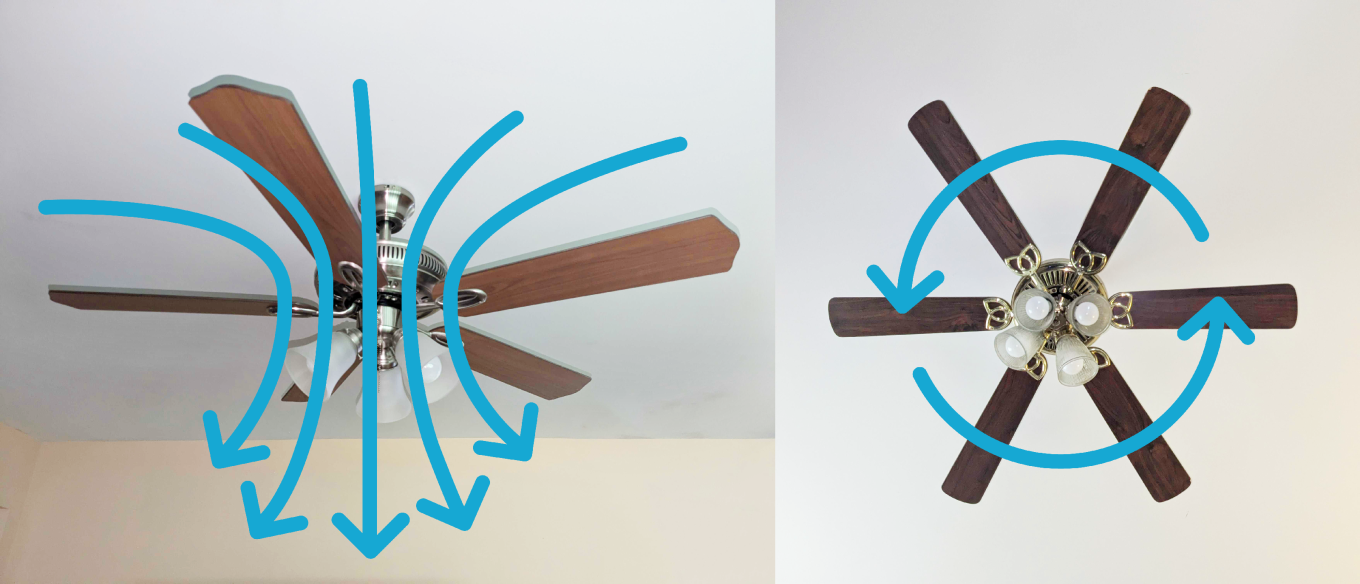
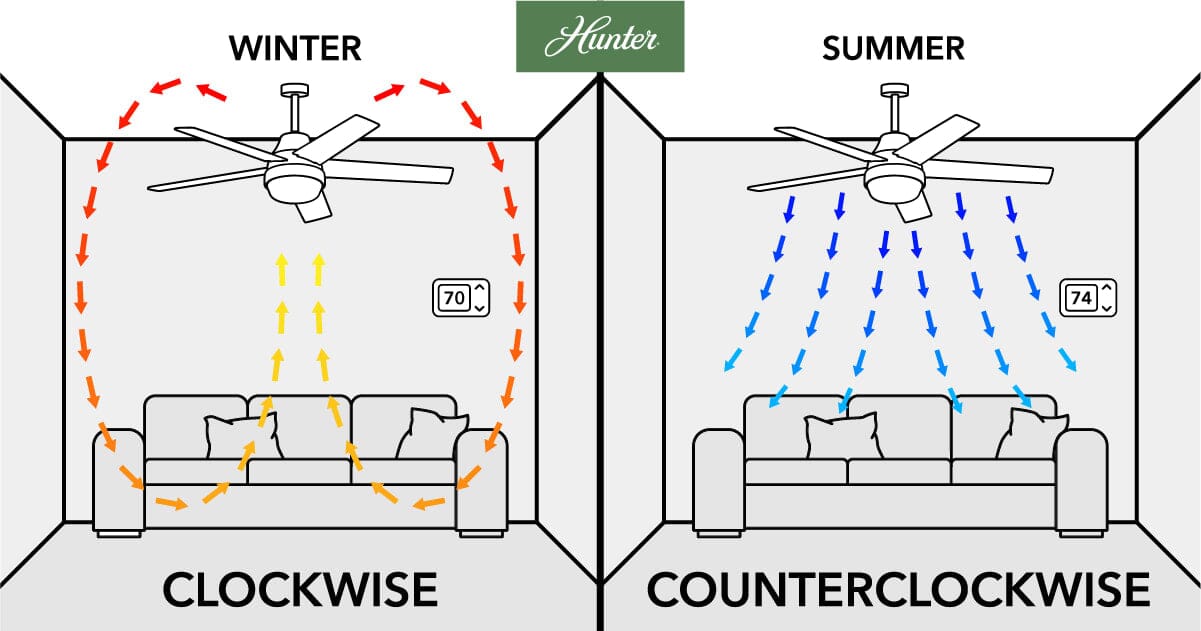
Okay, deep breaths. The magic word for summer comfort is counterclockwise.
Yep, that's right! When your ceiling fan spins counterclockwise, it pushes air downwards, creating a lovely breeze.
Think of it as a gentle, personal wind. It helps evaporate sweat, making you feel cooler even if the temperature stays the same. Pure wizardry, really!
My own personal experience involved my grandfather, a man of unwavering opinions. He swore the fan always went clockwise, summer or winter. Let's just say our summer evenings were...spirited discussions.
He finally conceded after a particularly sweaty July 4th barbeque and a very persuasive diagram drawn in the condensation on a glass of sweet tea. Counterclockwise it was!

Finding the Switch: A Mini-Adventure
Now, to actually change the fan direction. This is where the fun (or mild frustration) begins. Usually, there's a tiny switch on the fan motor housing.
Sometimes it's hidden. Sometimes it's labeled in a font so small you'll need a magnifying glass and a team of archaeologists to decipher it.
Be brave! Grab a step stool (safety first!) and prepare for a mini-adventure. You might even discover forgotten dust bunnies and ancient cobwebs along the way.
Pro-tip: Turn the fan off before messing with the switch. Trust me on this one. You don't want to end up with a blurry fan-induced headache.
The Science of "Feel-Good" Air
Okay, so why does counterclockwise work? It's all about creating that feeling of coolness.
The moving air isn't actually lowering the temperature of the room. Instead, it's disrupting the layer of warm air that naturally forms around your body.
This evaporation process is what makes you feel refreshed. It's like a tiny, invisible air conditioner focused solely on you.

Interestingly, fans don't actually cool a room. They cool people. So, if you're not in the room, turn the fan off to save energy and money.
Beyond the Breeze: Fan Etiquette
Now that you're a fan direction expert, let's talk fan etiquette. This is a surprisingly important (and often overlooked) aspect of fan ownership.
First, be considerate of your housemates. Not everyone enjoys a gale-force wind blasting down on them.
Adjust the fan speed to find a comfortable balance. A gentle breeze is often more pleasant than a hurricane-like blast.
Second, clean your fan regularly! Dusty fan blades are not only unsightly but also circulate allergens and dust particles.
A quick wipe down with a damp cloth can make a world of difference. Your sinuses (and your guests) will thank you.
When in Doubt, Ask!
Still unsure which way your fan is spinning? Don't be afraid to ask for help! A friendly neighbor, a helpful hardware store employee, or even a savvy teenager can usually lend a hand (and a fresh perspective).
There's no shame in admitting you're stumped. After all, we've all been there. Remember my grandfather?
Plus, it's a great excuse to strike up a conversation and connect with your community. Who knows, you might even make a new friend!
The Winter Switch: A Sneak Peek
Now, I know what you're thinking: "What about winter?" Ah, that's a tale for another time! But here's a sneak peek: In the colder months, you'll want to switch that fan direction to clockwise.
This helps circulate warm air that rises to the ceiling, making your room feel cozier and more comfortable. Think of it as a gentle, warm hug from above.
But let's not get ahead of ourselves. For now, let's focus on staying cool and comfortable during these hot summer months. Counterclockwise is the key!
The Unexpected Joys of Ceiling Fans
Beyond the practical benefits, ceiling fans offer a certain charm and nostalgia. They're a symbol of summer days, lazy afternoons, and childhood memories.
I remember lying in bed as a child, watching the fan blades spin and imagining them as airplane propellers, taking me on exciting adventures.
Ceiling fans are also surprisingly meditative. The rhythmic whirring can be incredibly soothing, helping you relax and unwind after a long day.
And let's not forget the aesthetic appeal! Ceiling fans come in a variety of styles, from classic and traditional to modern and minimalist.
They can be a beautiful and functional addition to any room, adding a touch of personality and character to your home.
A Final Word on Fan-tastic Comfort
So, there you have it! The mystery of the ceiling fan direction, solved. Remember: counterclockwise for summer, clockwise for winter (more on that later!).
Now go forth, conquer that tiny switch, and enjoy the refreshing breeze. And the next time you're feeling hot and bothered, take a moment to appreciate the simple genius of the ceiling fan.
It's a humble, often overlooked, but undeniably essential part of our lives. A true unsung hero of summer comfort. Stay cool!
And remember to tell your grandfather (or anyone stubbornly stuck in the "clockwise only" mindset) that I said hello. And to try the ice tea diagram trick.