
Which Way Should The Fan Switch Be In Summer
Hey there, cool cats and kittens! Ever stand beneath your ceiling fan on a sweltering summer day, feeling… well, not much? You might be thinking, "Is this thing even on?" The answer might not be that your fan is broken, but that it's spinning the wrong way!
Seriously, it's like trying to paddle upstream in a canoe. You're putting in the effort, but you're not getting the results you want. So, which way should that fan be spinning in the summer to get the most out of it? Let's dive in and find out!
Summer's Sweet Spot: Counterclockwise is the Key!
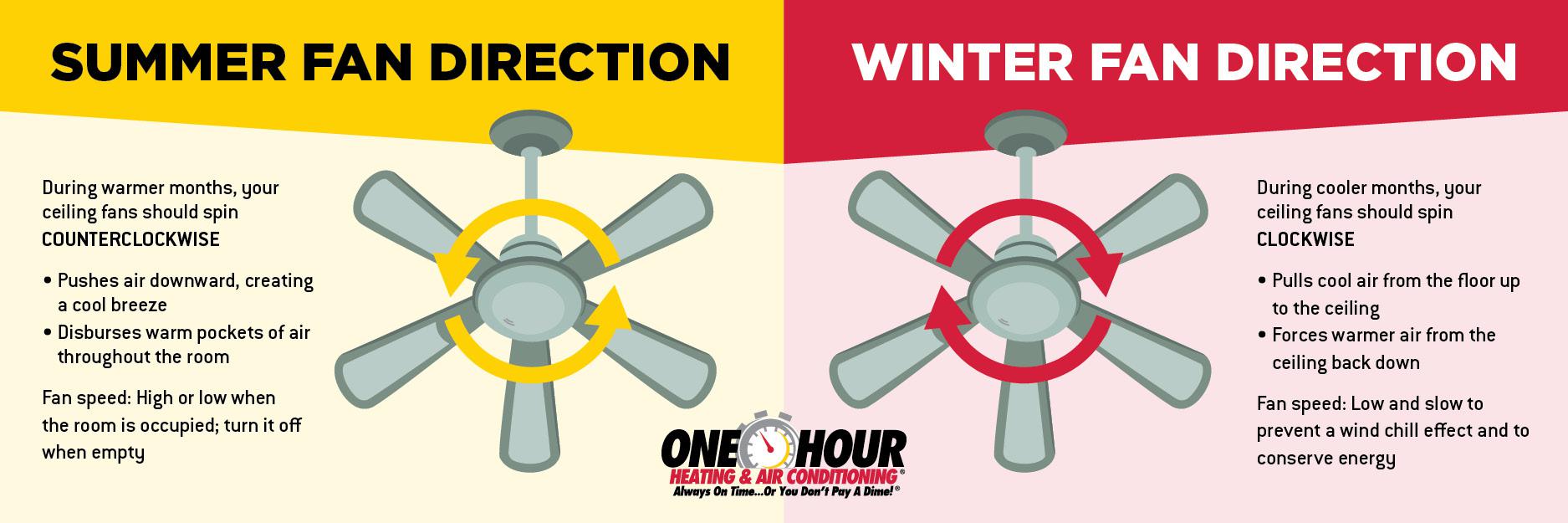
Here's the deal: In the summer, you want your ceiling fan to spin counterclockwise. Why? Because this direction creates a downdraft. Think of it like this: you're creating your own personal breeze right in your living room.
Must Read
Imagine standing on a mountaintop and feeling that cool, refreshing wind. That's what a counterclockwise spinning fan does – it pushes the air straight down, creating a wind chill effect that makes you feel cooler. It's like having a mini-mountain breeze generator right in your house!
But how does it work? It’s pretty simple, really. The fan blades, angled just so, scoop the air above them and push it downwards. This directed airflow helps evaporate moisture from your skin, making you feel cooler. It's the same principle behind sweating – only your fan is speeding up the process!

Why Not Clockwise? Save That For Winter!
Okay, so if counterclockwise is the summer jam, what's the deal with clockwise? Well, that's for winter! In the colder months, you want the fan to spin clockwise at a low speed. This creates an updraft, gently pulling cooler air up and pushing the warmer air that naturally rises near the ceiling back down.
Think of it like a gentle air blender, slowly circulating the warm air throughout the room. It's not about creating a direct breeze on you like in the summer; it's about distributing the heat more evenly.
This is especially useful in homes with high ceilings, where all the warm air tends to collect up top. You’re essentially reclaiming that trapped warmth and putting it to good use! So, clockwise is like a cozy blanket for your house in the winter.
How to Tell Which Way Your Fan is Spinning
Alright, so you're convinced – but how do you actually tell which way your fan is spinning? It’s usually pretty easy! Just stand underneath the fan and look up. If the blades are moving to the left, it’s counterclockwise. If they're moving to the right, it's clockwise.

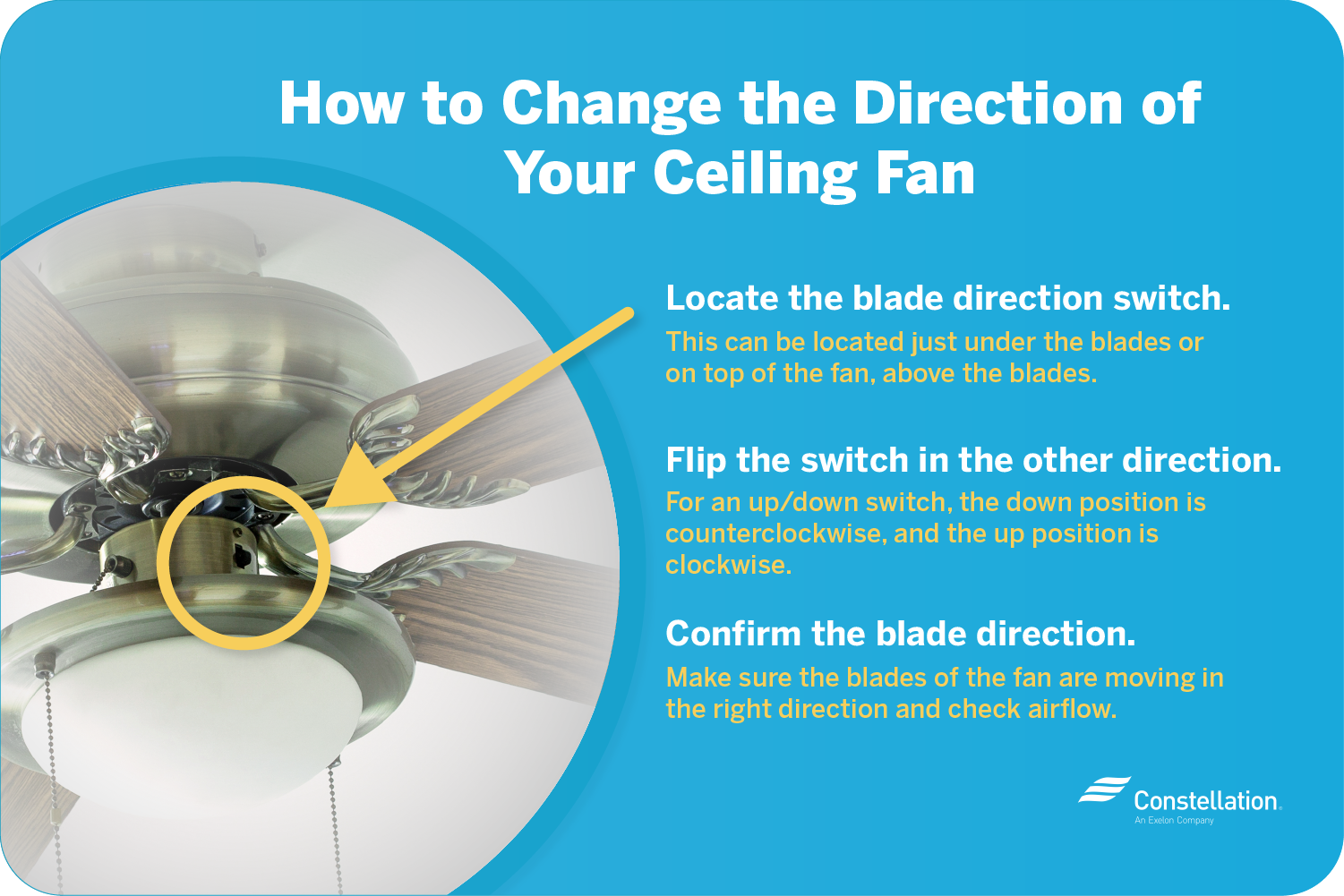
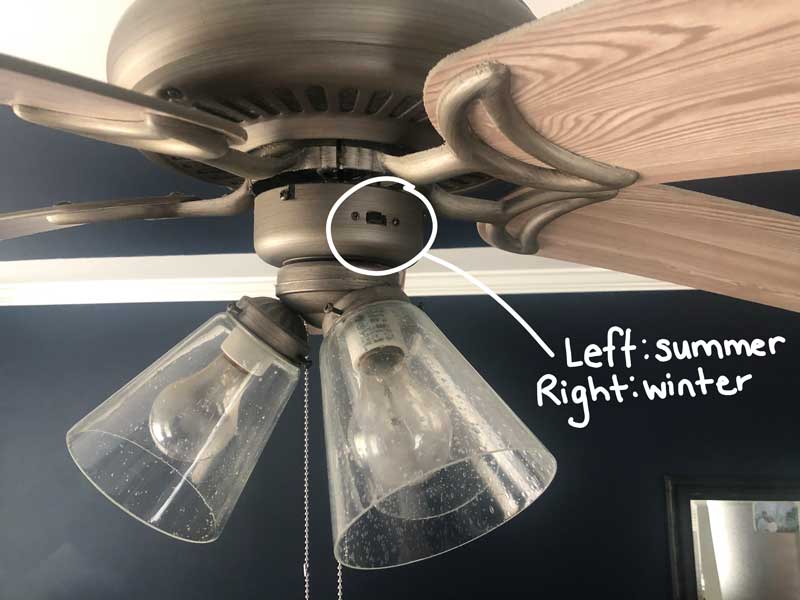
Many fans have a small switch on the motor housing that allows you to reverse the direction. It might be a slide switch or a button. Consult your fan's manual (if you still have it!) for specific instructions. If you can’t find the switch, a quick Google search with your fan model should do the trick!
Extra Credit: Fan Speed and Energy Savings
Okay, you've got the direction down. But what about the speed? In the summer, a higher speed will create a stronger downdraft and make you feel even cooler. But remember, the faster the fan spins, the more energy it uses. Find a balance that keeps you comfortable without racking up your electricity bill.
Speaking of energy savings, using your ceiling fan effectively can actually help you lower your air conditioning costs! By circulating the air, the fan makes your AC more efficient, allowing you to set the thermostat a few degrees higher without sacrificing comfort. It’s a win-win!
So, What's the Takeaway?
Don't underestimate the power of a simple ceiling fan! Knowing which direction your fan should be spinning can make a huge difference in your comfort and your energy bill. Remember: counterclockwise for a cool summer breeze, and clockwise for cozy winter warmth. Now go forth and conquer that ceiling fan switch!
You've got the knowledge; now put it to good use and enjoy a more comfortable home all year round. Happy spinning!