
Which Way Should The Fan Spin In The Winter
Hey there, cool cats! Ever find yourself staring up at your ceiling fan in the dead of winter, wondering if it's just…existing? Or could it actually be doing something useful? I mean, we all know what it does in the summer – blasts that glorious cool air, right? But winter? Hmm…
The question on our minds today: Which way should that fan spin when the temperature dips? Is there a right answer? Let's dive in and find out!
Summer Spin vs. Winter Whirl
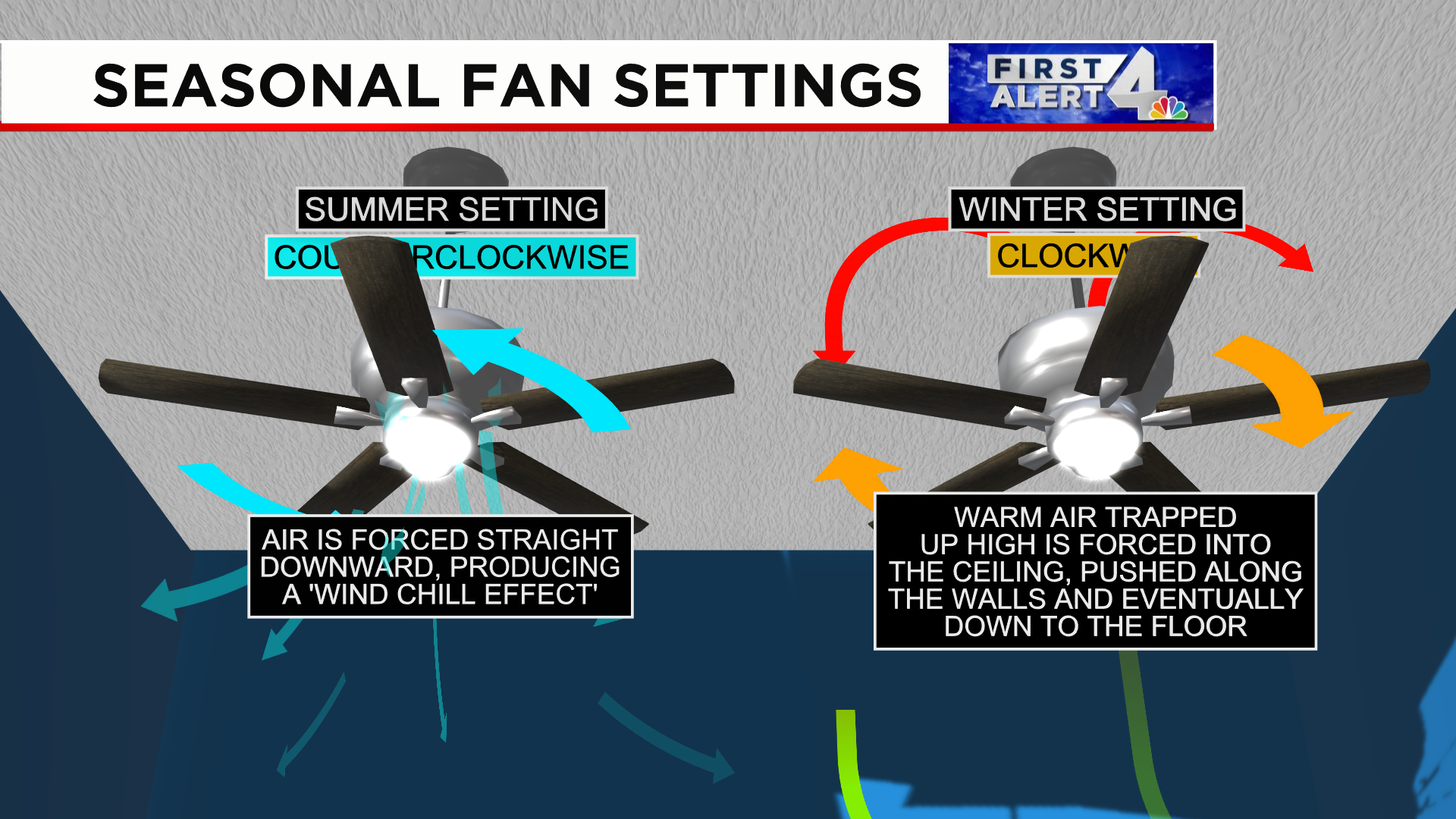
Okay, let’s start with the basics. In the summer, most fans are set to spin counter-clockwise. Why? Because that creates a direct downdraft. Think of it like this: the fan blades are gently nudging the air downwards, creating a pleasant breeze that makes you feel cooler. It's like having a personal air conditioner without the crazy energy bill!
Must Read
But winter is a different beast entirely. We're not trying to cool down, we're trying to warm up. So, does that mean we just…turn the fan off? Nope! Here's where the magic happens.
The Winter Reverse: It's All About Warm Air
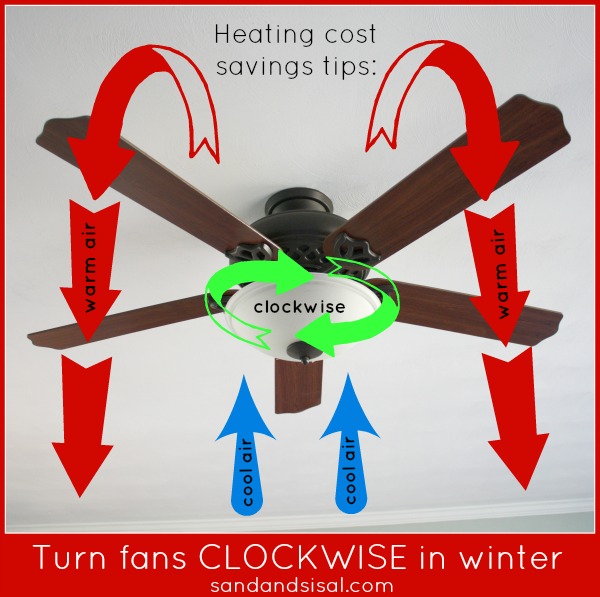
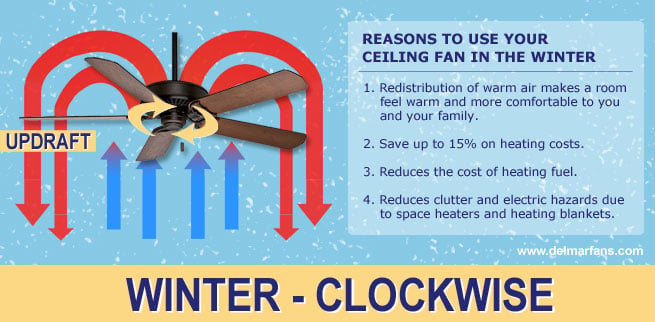
In the winter, you want your fan to spin clockwise. Yes, you read that right! Clockwise. But why? Well, hot air rises, right? It's like that annoying friend who always manages to get to the top of the social ladder (okay, maybe not annoying, but you get the picture!). The problem is, all that lovely warm air tends to hang out near the ceiling, leaving your lower living space feeling chilly. Brrr!

That’s where the clockwise fan rotation comes in. It gently pushes that warm air accumulated near the ceiling down along the walls. Think of it as a subtle redistribution of warmth. It’s not creating a direct breeze like in the summer, which is good because nobody wants a winter wind chill indoors! Instead, it's circulating the existing warm air more efficiently. The goal is to even out the temperature in the room.
Imagine your room is a giant bowl of soup. In the summer, you're trying to cool the whole bowl down. In the winter, you're just trying to stir the warm broth at the top so everyone gets a taste!
Finding the Reverse Switch: It's Like a Treasure Hunt!
Now, how do you actually change the fan's direction? Most ceiling fans have a little switch on the motor housing. It's usually a simple toggle switch that you can flip to reverse the direction. It might be labeled, it might not. Consider it a mini-adventure! If you can't find it, your fan's manual is your best friend. Don’t be afraid to consult it. Seriously!
Important note: Always make sure the fan is completely stopped before flipping the switch. You don't want to cause any damage to the motor (or give yourself a little scare!).
Does It Really Make a Difference?
Honestly, it depends. It’s not going to magically transform your icy palace into a tropical paradise. But it can help. Think of it as a small, consistent boost to your heating system. Some people swear by it, claiming it saves them money on their heating bills. Others might not notice a huge difference. But hey, it's worth a try, right? Plus, you’ll feel like a super-smart home energy efficiency guru!
It's also important to remember that the speed of the fan matters. In the winter, you want to use a low speed. You’re not trying to create a gale force wind, just gently circulate the air.

Consider this: It's like adding a pinch of salt to a dish. It's not the main ingredient, but it enhances the overall flavor. Your fan isn't the primary source of heat, but it can definitely make your room feel cozier.
A Few Extra Tips for Winter Warmth
- Check your thermostat: Make sure it's set to a comfortable temperature. No need to overheat your home!
- Seal those drafts: Caulk around windows and doors to prevent cold air from seeping in. It's like giving your house a cozy blanket!
- Use rugs: Rugs add warmth and insulation to your floors.
So, there you have it! The mystery of the winter fan spin is solved. Give it a try, see if it works for you, and enjoy the cozy warmth! And remember, even if you don’t notice a huge difference, at least you’ll have a clean ceiling fan! Happy spinning!
Disclaimer: I'm just a friendly blogger, not a qualified HVAC technician. If you have any serious heating or cooling concerns, please consult a professional.