
Which Way Should The Ceiling Fan Turn In Summer

Hey there, friend! Ever found yourself staring up at your ceiling fan, a bead of sweat trickling down your forehead, wondering if it's actually doing anything to cool you down? You're not alone! One of the biggest summer mysteries, right up there with "where did all my ice cream go?", is: which way should that darn fan be spinning?
Let's dive into the breezy world of ceiling fan direction, shall we? It's simpler than you think, and honestly, a little bit mind-blowing once you get it.
Summer Spin: Counter-Clockwise Cool
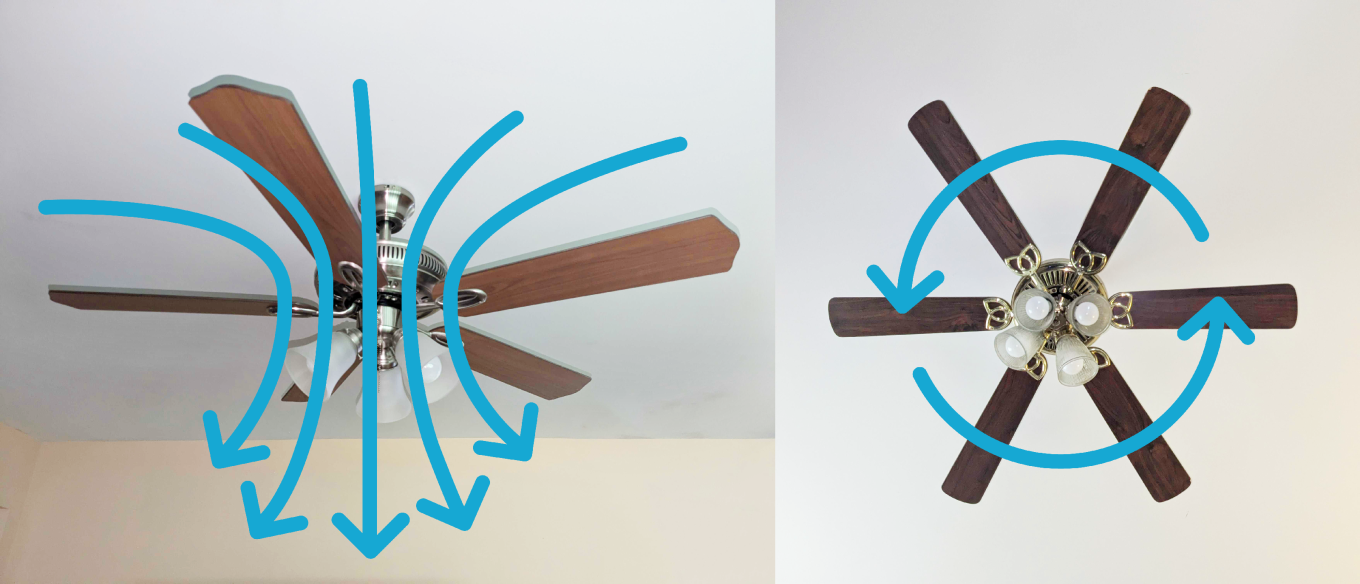
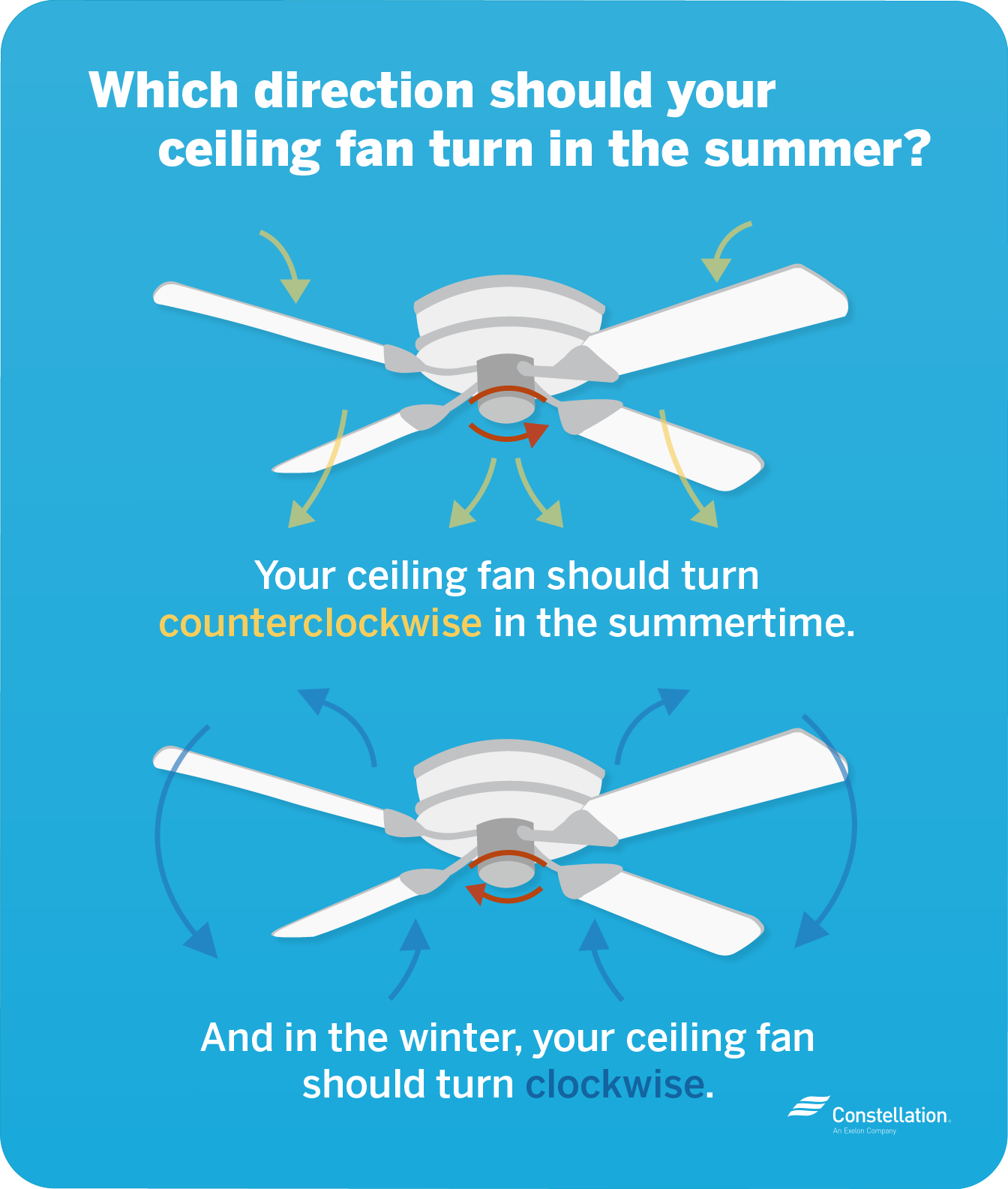
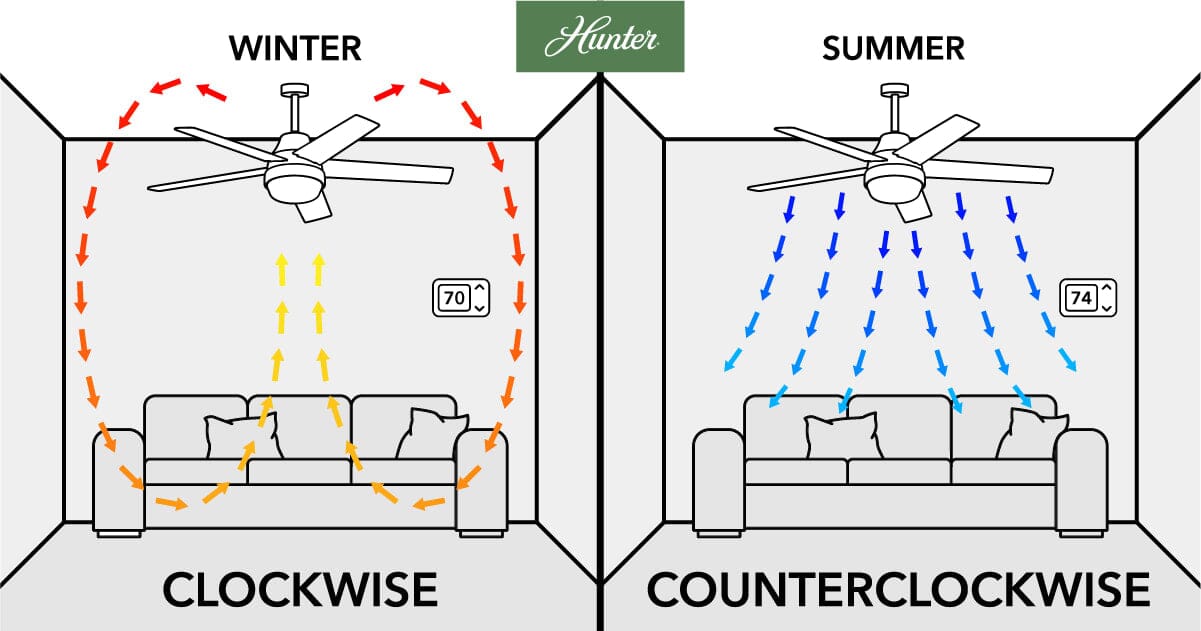
Okay, so the short answer for summertime bliss is: counter-clockwise. But why? Well, imagine your ceiling fan blades as little airplane wings, gently pushing air downwards. When they spin counter-clockwise, they create a delightful downdraft. This isn't actually cooling the air (your fan can't do that, sadly), but it's creating a wind chill effect.
Must Read
Think of it like stepping out of the shower and feeling that sudden chill. The air is moving across your skin, helping moisture evaporate, and making you feel cooler. Your counter-clockwise ceiling fan is mimicking that effect, giving you a refreshing breeze that makes the room feel significantly more comfortable.
It’s like having a personal, miniature wind tunnel right in your living room! Who wouldn't want that?
Why Does It Work? The Science of the Breeze
The magic lies in the air circulation. The downdraft from a counter-clockwise fan pushes the cooler air (hopefully from your AC!) down towards you. Hot air rises, so by circulating the air, you're essentially preventing that stagnant, hot air from settling around you and trapping you in a sweaty cocoon. No thank you!
Imagine your room is a crowded dance floor. The counter-clockwise fan is the DJ, getting everyone moving and shaking, preventing any one area from getting too stuffy and overheated. Makes sense, right?
How to Tell Which Way It's Spinning
Now, before you declare yourself a ceiling fan expert, you need to make sure it's actually spinning the right way! Most ceiling fans have a little switch on the motor housing (usually near the light fixture) that allows you to change the direction. It might be a slide switch or a push button. Turn the fan off completely, locate the switch, and flip it.
Then, turn the fan back on and watch carefully. If you're standing beneath the fan, looking up, the blades should be moving from right to left. Still confused? A quick search on YouTube for "how to change ceiling fan direction" will provide a helpful visual.
More Than Just Comfort: Saving Energy (and Money!)
Here's the best part: using your ceiling fan correctly can actually save you money! By creating that wind chill effect, you can often turn your thermostat up a few degrees without sacrificing comfort. This means your AC unit won't have to work as hard, resulting in lower energy bills. It's a win-win!
Think of it like this: your ceiling fan is a superhero, fighting against high energy costs and keeping you cool and comfortable. Okay, maybe that's a bit dramatic, but you get the idea!
Winter's Warm Embrace: The Clockwise Twist
Now, before you completely dismiss the other direction, know that your ceiling fan can also be your friend in the winter. By switching it to a clockwise direction, you can help circulate warm air that rises to the ceiling. This gentle upward draft pushes the warm air down, helping to heat the room more evenly and efficiently.

It's like giving your room a warm hug, spreading the heat around and preventing those cold spots. Just remember to use a low speed in winter to avoid creating a noticeable breeze.
Beyond Direction: Other Fan Facts
While we're on the subject of ceiling fans, here are a few other things to keep in mind:
- Cleanliness is key: Dust buildup on your fan blades can reduce its efficiency and even spread allergens. Give your fan a good cleaning every few months.
- Size matters: Choose a fan that's appropriately sized for your room. A small fan in a large room won't do much good.
- Location, location, location: Consider the height of your ceiling when installing a fan. You want the blades to be high enough that people won't accidentally bump into them.
So, there you have it! The mystery of the spinning ceiling fan is solved. Now you can confidently adjust your fan, sit back, relax, and enjoy the cool comfort (or warm coziness!) it provides. Stay cool out there, friends!