
Which Way Should My Fan Be Going In The Summer

Alright, gather 'round, folks! Let's talk about something absolutely crucial for surviving the summer months: fan direction. Yes, you heard me right. We're diving deep into the existential question of which way your ceiling fan should be spinning. Forget philosophy; this is the real stuff.
I know, I know, it sounds silly. Like debating whether pineapple belongs on pizza (it doesn’t, and I’m prepared to fight you on that). But trust me, mastering the art of fan direction is like unlocking a secret level in the game of summer comfort. It can be the difference between feeling like you're relaxing on a breezy beach and feeling like you're trapped in a swamp monster's armpit.
The Downward Spiral (of Coolness)
Okay, so here’s the lowdown for summer. Picture this: it's hotter than a jalapeño's armpit (yes, jalapeños have armpits in this analogy). You're sweating through your favorite t-shirt, questioning all your life choices, and wishing you could just live inside your refrigerator. This is when you need to engage Downward Fan Mode.
Must Read
What does that mean, exactly? Well, it means your fan should be spinning counter-clockwise when you're looking up at it. Why? Because science! (But, like, fun science, not the kind that makes you want to fall asleep in class.)
See, when the fan spins counter-clockwise, it pushes the air straight down. This creates a lovely little breeze that hits your skin, helps evaporate your sweat, and makes you feel all cool and refreshed. It's like having a personal air conditioner, only without the exorbitant electricity bill and the nagging guilt about contributing to the eventual heat death of the universe.

Think of it this way: the fan is trying to give you a high-five...with air. A refreshing, life-saving, slightly aggressive high-five. Embrace it.
But Wait, There's More! (Like, Heat Rises, Remember?)
You might be thinking, "Okay, I get it. Downward is good. But what about all that hot air lurking up near the ceiling?" Excellent question, my friend! You’re clearly a budding fan direction aficionado.

Hot air rises, we all know this. It's like the universal law of thermodynamics, right up there with "never trust a fart after eating gas station sushi." By pushing the air down, you're not actually cooling the room, you're just circulating the air. This means you're mixing the cooler air near the floor with the warmer air near the ceiling, making the overall temperature feel more comfortable.
It's like stirring a giant, invisible, air-based cocktail of comfort. A Comfort Cocktail, if you will. Someone should trademark that. (Not me, though, I’m busy adjusting my fan direction.)
The Upward Trend (for Winter Warmth…Eventually)
Now, just because we’re talking about summer doesn't mean we should ignore the other half of the year, especially if you live somewhere that actually has seasons. Eventually, the days will get shorter, the leaves will turn brown, and you’ll be forced to wear pants again. (The horror!)
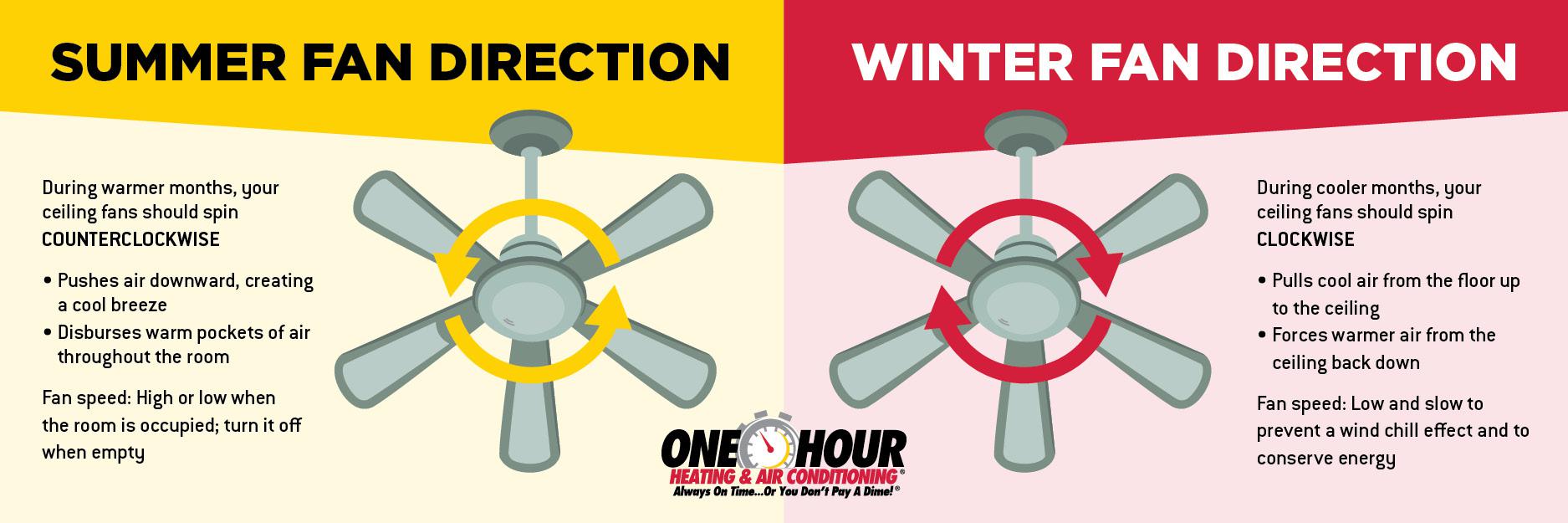
When that happens, it's time to switch gears and embrace Upward Fan Mode. This means setting your fan to spin clockwise.
Why? Because in the winter, the goal is to gently pull the cooler air up, which then pushes the warm air that's naturally collected near the ceiling back down along the walls. This helps to distribute the heat more evenly throughout the room and, hopefully, prevent your toes from turning into tiny little ice cubes.
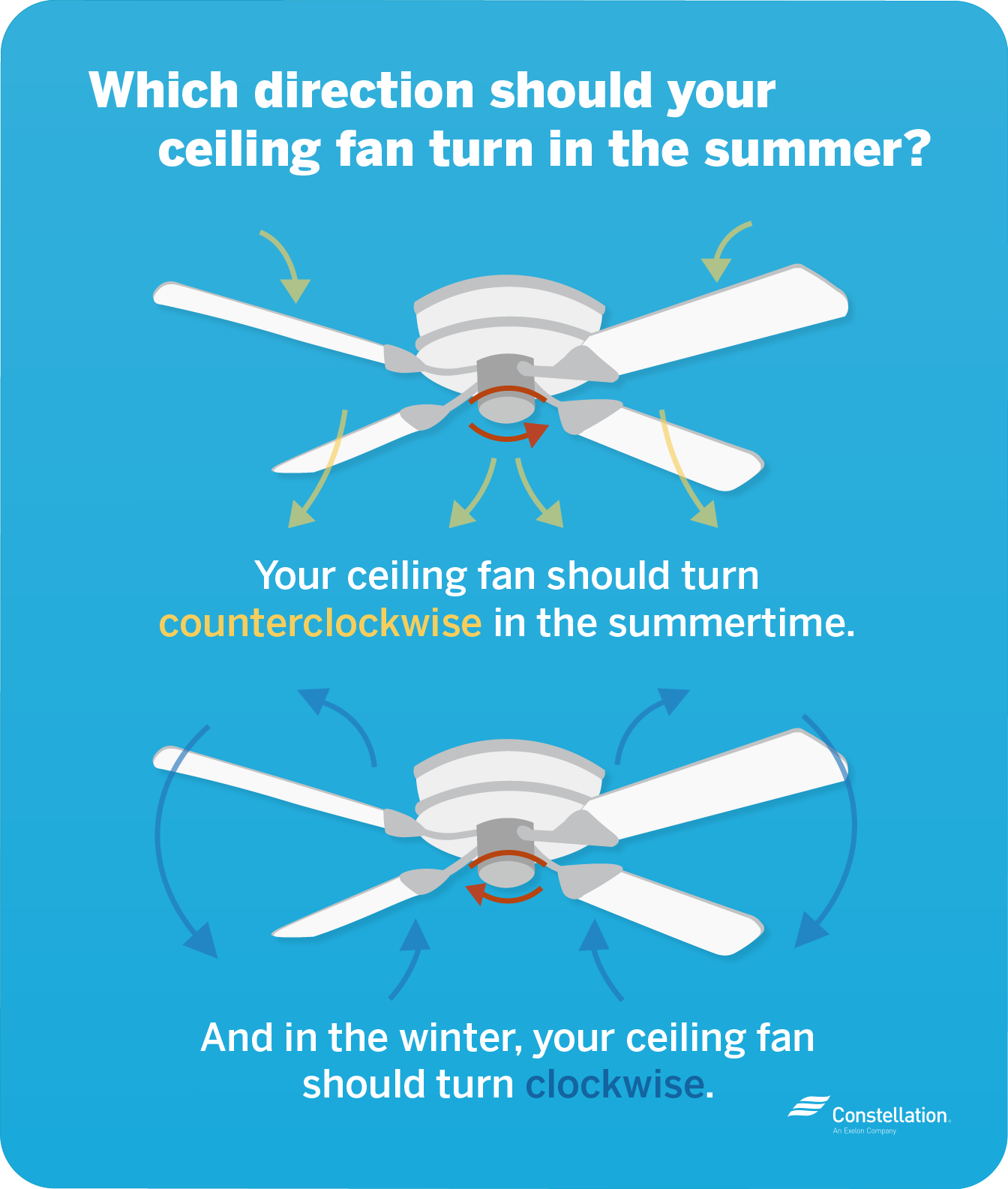
Think of it as giving the warm air a gentle nudge. You're not trying to create a gale-force wind; you just want to encourage it to mingle with the rest of the room.
Pro-Tips and Fan-tastic Facts (See What I Did There?)
- Not all fans are created equal. Some fans are more powerful than others. Experiment to find the speed that works best for you. You don't want to feel like you're in a wind tunnel.
- Dust is the enemy! Regularly clean your fan blades to ensure optimal performance and prevent the spread of allergens. A clean fan is a happy fan (and a happy you!).
- Check your fan's manual. Seriously. Some fans have specific instructions for changing direction. Don't be a hero; read the manual.
- Did you know? Ceiling fans were invented in the mid-19th century and were originally powered by water turbines! Talk about a sustainable solution!
So, there you have it, folks! Everything you ever wanted to know (and probably more) about fan direction. Now go forth, adjust your fans, and conquer the summer heat (and eventually, the winter chill) with your newfound knowledge. And remember, the right fan direction can make all the difference between a comfortable living space and a sweaty, uncomfortable nightmare. Choose wisely!
And seriously, no pineapple on pizza.