Which Way Should Fan Spin Summer
Ever walked into a room on a sweltering summer day, flipped on the ceiling fan, and still felt… well, not quite cool enough? Or perhaps you’ve wondered if that whirring overhead friend is truly doing its best to banish the heat? It’s a common scenario, and it leads us to a fascinating little secret of home comfort: the direction your ceiling fan spins actually matters a lot, especially in summer! It might seem like a small detail, but understanding this can make a big difference in how comfortable you feel and even how much energy you use. Let's peel back the layers of this breezy mystery and discover why which way your fan spins is more than just a trivial tidbit.
At its heart, the purpose of knowing which way your fan should spin in summer is all about optimizing airflow for cooling. Fans don't actually cool the air itself; instead, they create a wind-chill effect on your skin by moving air. In summer, the goal is to create a direct downdraft that pushes air straight down onto you. This moving air helps evaporate perspiration from your skin, making you feel cooler without actually lowering the room's temperature. The benefit? You can often set your thermostat a few degrees higher, potentially saving a noticeable chunk on your energy bill, all while feeling just as comfortable. It’s a clever bit of physics working for your comfort and your wallet.
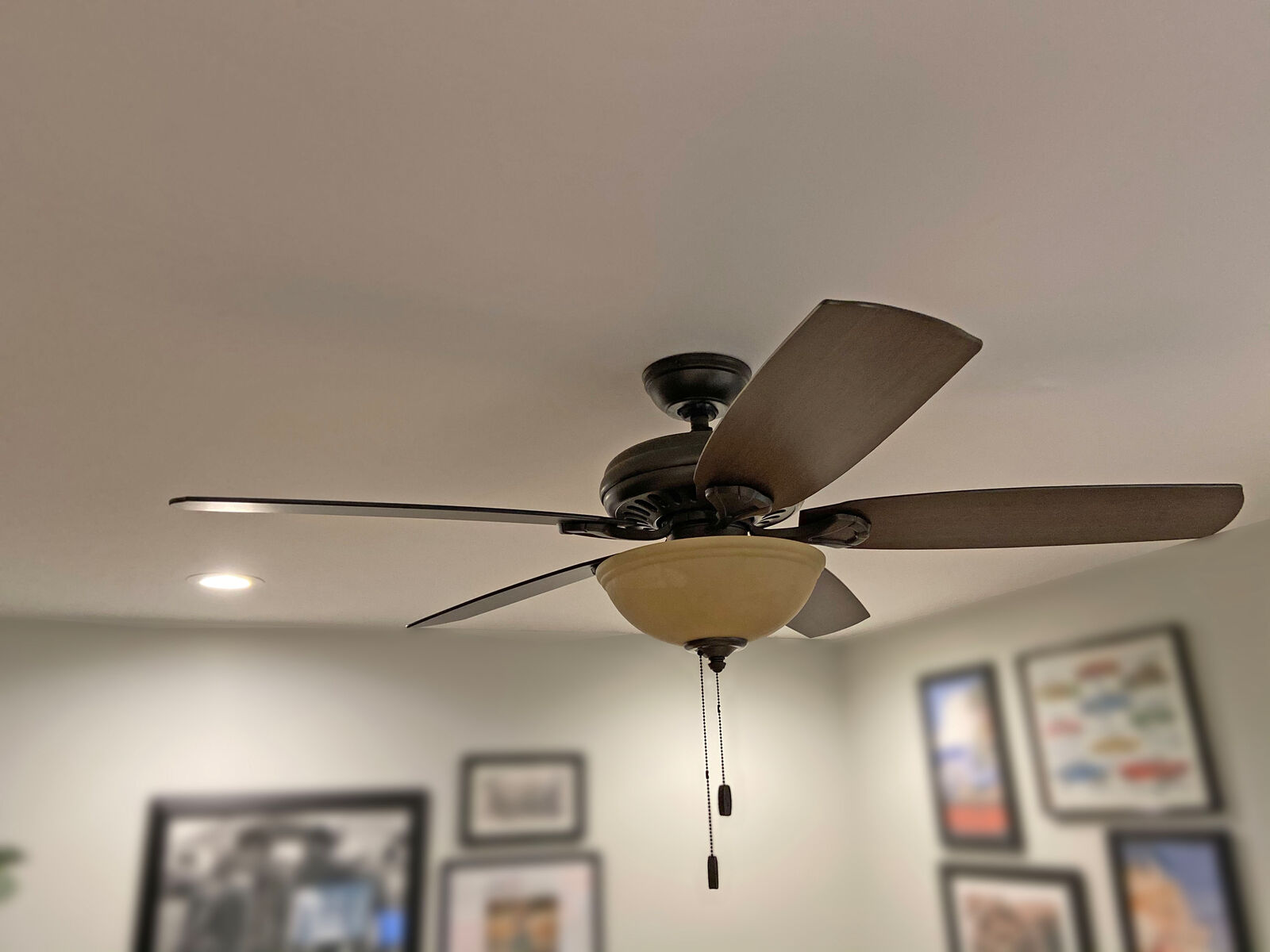
So, how does it work? For summer cooling, your ceiling fan blades should be spinning in a counter-clockwise direction. If you stand directly underneath your fan and look up, the blades should appear to be moving to your left. This counter-clockwise motion creates that essential downdraft, pushing cooler air that’s settled near the floor upward, and then circulating the air downwards. Think of it as a helpful air current giving you a constant, gentle breeze. In contrast, in winter, you’d want the fan to spin clockwise to create an updraft, gently pulling warm air (which naturally rises) away from the ceiling and distributing it around the room without creating a chilling breeze.
Must Read
This little piece of knowledge isn't just for homeowners; it pops up in various aspects of daily life and even education. In home economics or basic physics classes, understanding convection currents and how fans manipulate them is a great practical example. Interior designers often educate clients on the proper use of ceiling fans for energy efficiency. Even HVAC technicians might offer this tip as part of a broader discussion on home climate control. It’s a simple, actionable piece of advice that empowers people to take control of their indoor environment and make smart energy choices, whether in a cozy living room or a bustling open-plan office.
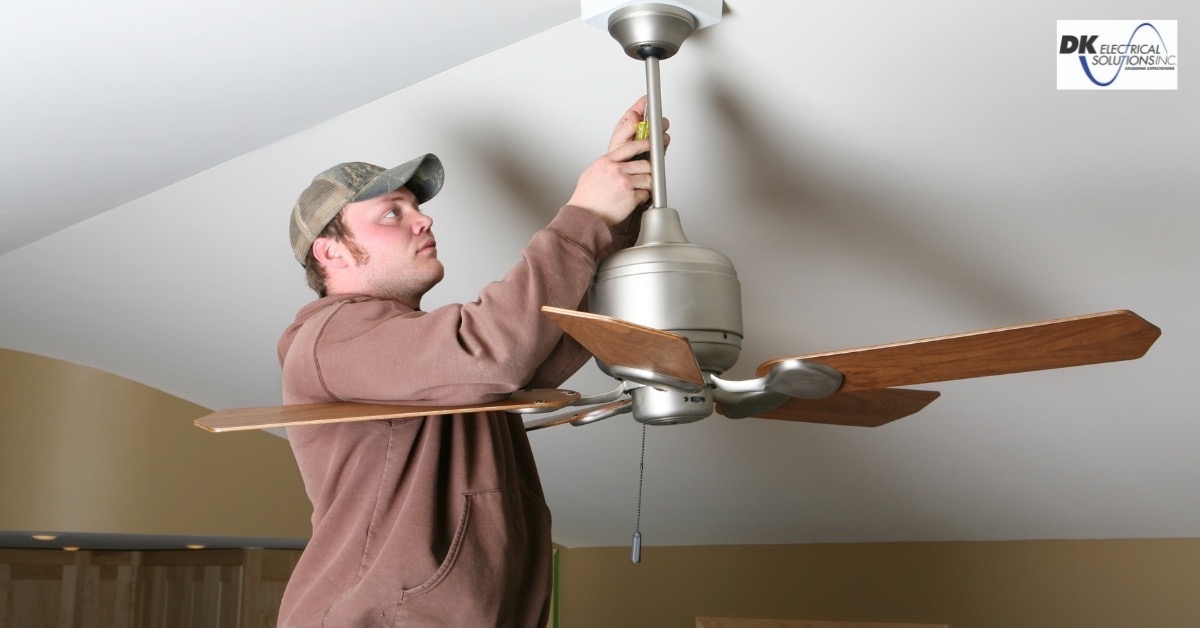
Ready to explore this for yourself? It’s incredibly simple! First, stand under your fan and observe its current spin direction. Then, feel the breeze. Is it a strong direct breeze or more diffused? To change the direction, you’ll usually find a small switch located on the fan's motor housing, often near where the blades attach. It’s a tiny toggle that shifts the motor's rotation. Flip the switch (make sure the fan is off first!), turn the fan back on, and feel the difference. You might be surprised at how much more effective your fan feels when it's spinning the right way for the season. Don't be afraid to experiment and feel the impact firsthand – it’s a small adjustment that can lead to big comfort all summer long!