Which Way Should A Ceiling Fan Turn For Cooling
:max_bytes(150000):strip_icc()/ceiling-fan-rotate-direction-1907533-v4-5ba94e6346e0fb002576cebf.png)
Let's face it, there's nothing quite like a gentle breeze on a hot day. And for many of us, that breeze comes courtesy of our trusty ceiling fan. We rely on them to keep us cool and comfortable, especially during those sweltering summer months. They're a staple in homes across the country, a silent, spinning sentinel against the heat. But are you truly maximizing your ceiling fan's potential? Are you sure it's spinning the right way?
The core benefit of a ceiling fan is simple: it creates air circulation. This air movement helps to evaporate moisture from your skin, creating a cooling effect. Think of it like this: the fan isn't actually lowering the temperature of the room, but it's making you feel cooler. This is a huge advantage, especially when you're trying to save on energy costs by setting your air conditioning a few degrees higher. Plus, they're generally much quieter and less energy-intensive than air conditioners, making them a great environmentally friendly option. Beyond cooling, ceiling fans can also help to distribute heat more evenly in the winter, preventing cold spots near the floor and warm spots near the ceiling.
You'll find ceiling fans in all sorts of places – bedrooms, living rooms, kitchens, even outdoor patios! They come in countless styles, from sleek and modern designs to more traditional and ornate models. Some even have built-in lights, adding to their functionality. But regardless of the style, the principle remains the same: to move air effectively. One common application is using ceiling fans in conjunction with air conditioning. The fan helps to circulate the cooled air throughout the room, allowing you to lower your AC setting and save energy. Another frequent use is simply as a standalone cooling solution in rooms that don't get direct sunlight or are naturally cooler.
Must Read
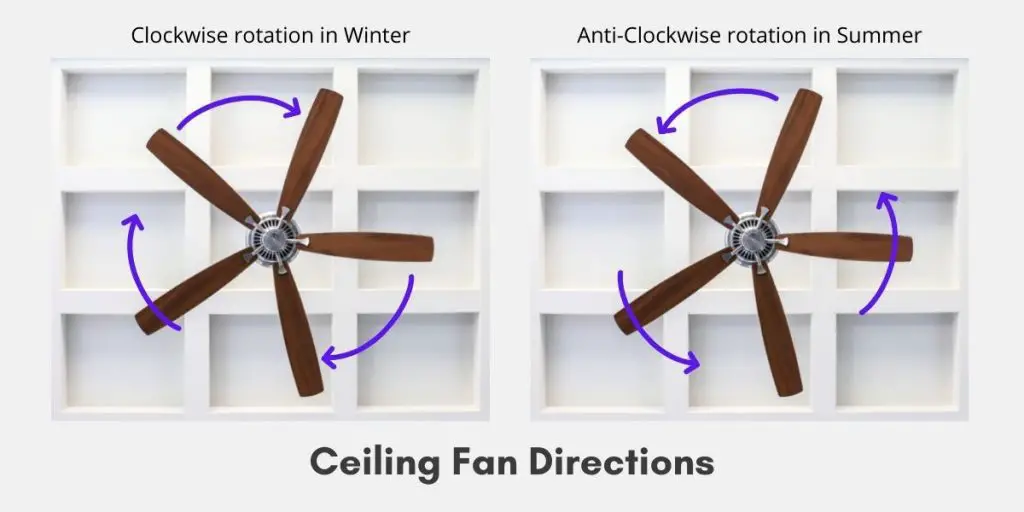
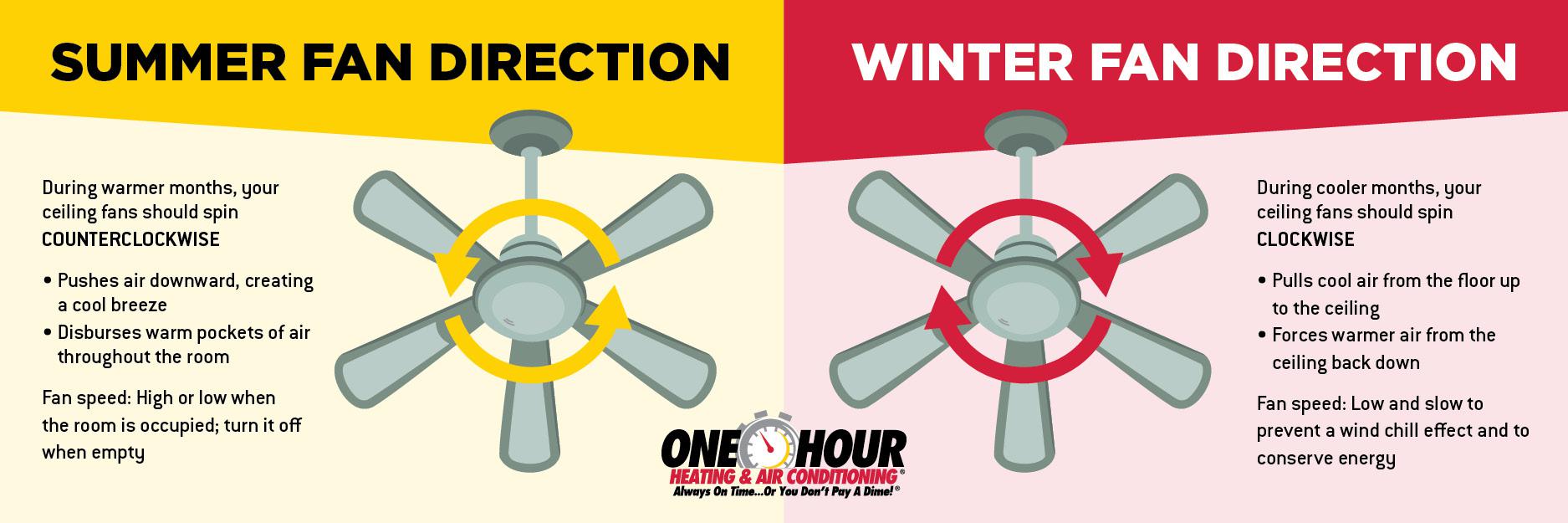
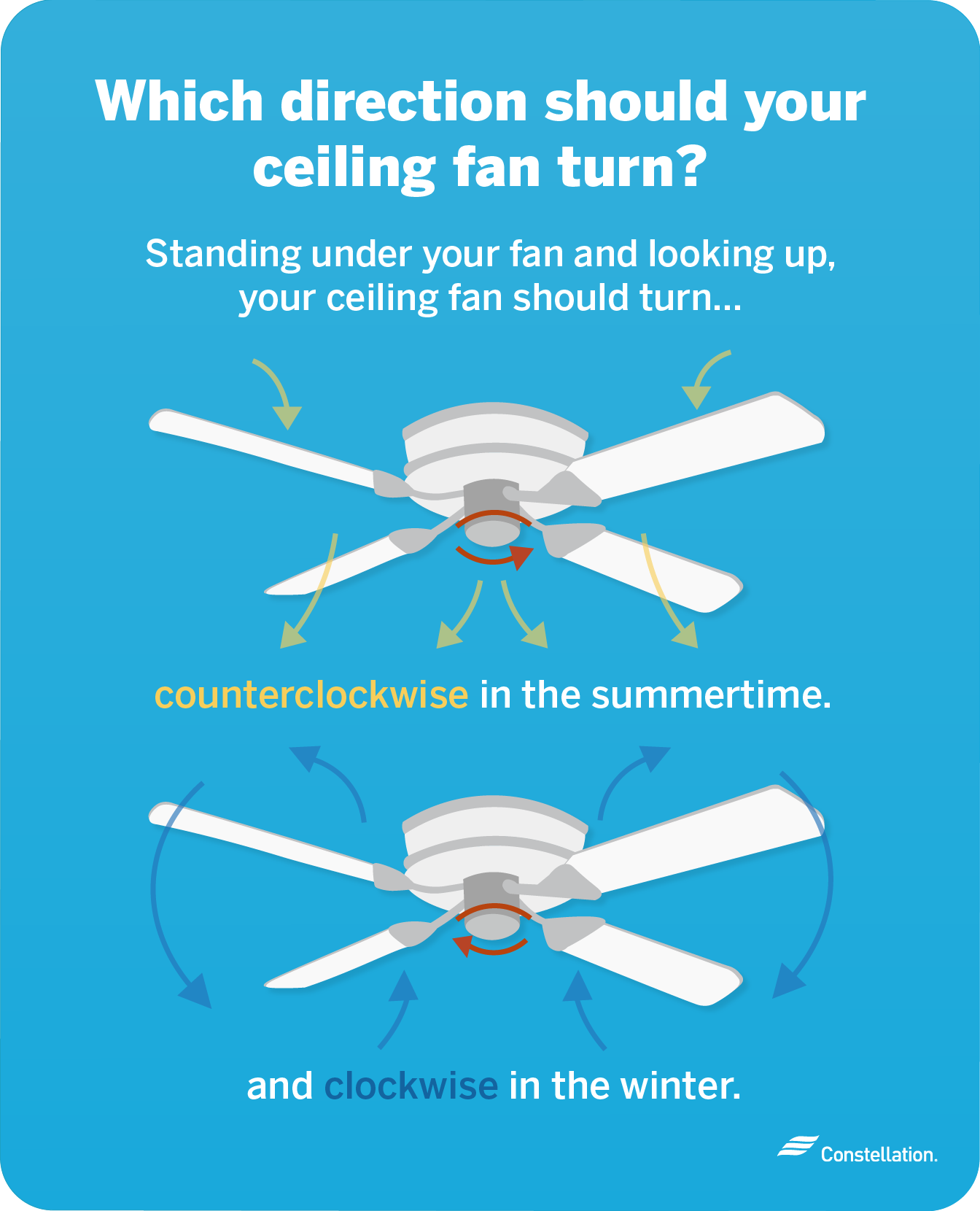
So, here's the key question: which way should your ceiling fan be spinning for optimal cooling? During the summer, your ceiling fan should be spinning counter-clockwise when you're looking up at it. This creates a downward airflow, pushing the air straight down and creating that refreshing breeze you crave. To switch the direction of your fan, look for a small switch on the motor housing. It's usually a simple toggle switch that you can flip to change the rotation. In the winter, you'll want to switch the direction to clockwise. This gently pulls air upward, circulating warm air that rises to the ceiling back down into the room.
To enjoy your ceiling fan more effectively, consider these practical tips. First, ensure your fan blades are clean. Dust can accumulate on the blades, hindering their ability to move air efficiently. Regularly wiping them down with a damp cloth will make a noticeable difference. Second, experiment with different fan speeds. Sometimes, a lower speed is all you need to feel comfortable. Higher speeds can create too much noise and may not be necessary. Finally, remember that ceiling fans are most effective when you're in the room. Turning them off when you leave will save energy and prolong the life of the motor. By following these simple tips, you can ensure your ceiling fan continues to be a valuable asset in your home for years to come.