Which Way Is A Ceiling Fan Supposed To Spin
Ever found yourself staring up at a ceiling fan, wondering if it's actually doing its job? Or perhaps you've felt a subtle, almost imperceptible, discomfort in a room despite the fan being on full blast? You might be surprised to learn that the direction your ceiling fan spins can dramatically impact your comfort levels and even your energy bills. Figuring out which way a ceiling fan is supposed to spin isn't just a quirky bit of trivia; it's actually a practical skill that can make your home a more comfortable and efficient space.
So, why does the direction even matter? Well, the primary purpose of a ceiling fan isn't to directly cool you down like an air conditioner. Instead, it's designed to circulate air. By moving air around the room, it creates a wind-chill effect, making you feel cooler than the actual temperature. In the winter, it helps distribute warm air that rises to the ceiling, preventing it from being trapped and wasted. This ultimately reduces the strain on your heating system.
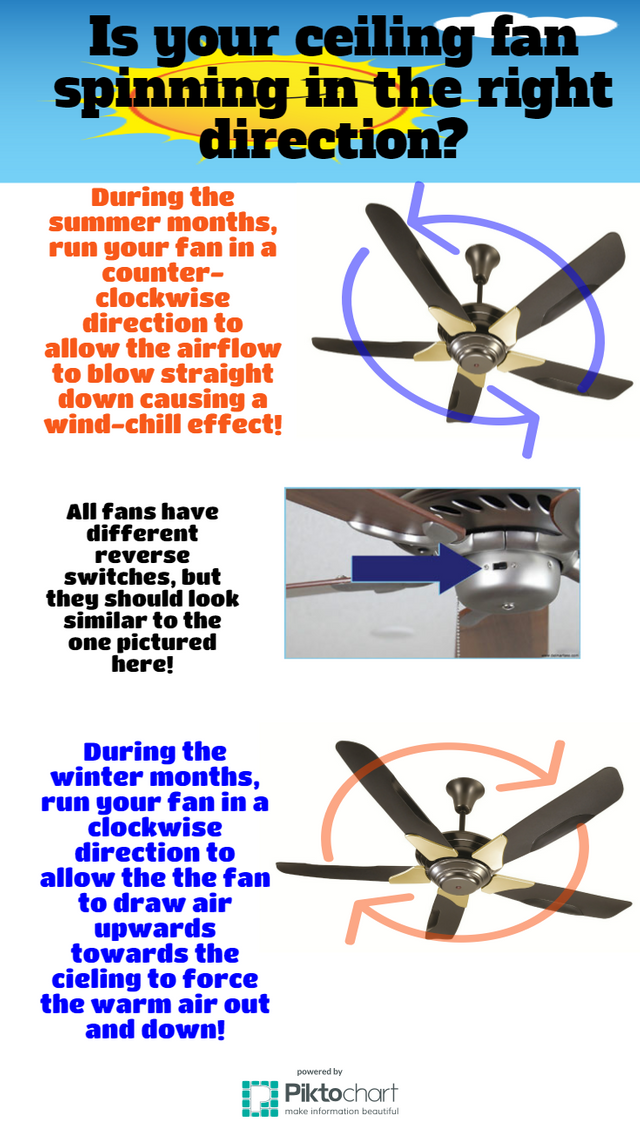
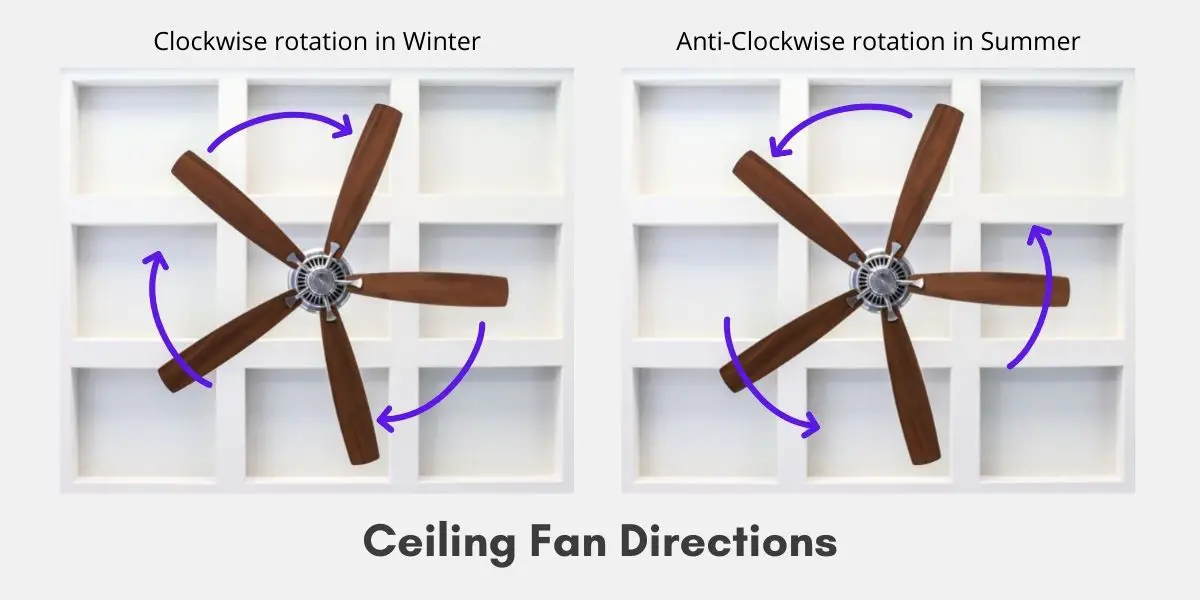
In the summer, your ceiling fan should spin counter-clockwise when you're looking up at it. This pushes air down, creating that refreshing breeze. Imagine you're sitting in your living room on a hot afternoon. With the fan spinning counter-clockwise, you should feel a gentle downward draft that helps evaporate sweat and keep you comfortable. Think of it as a mini personal air conditioner without the high energy cost!
Must Read
In the winter, the goal is different. You want to draw warm air down from the ceiling without creating a chilling wind. That's where clockwise rotation comes in. By spinning clockwise, the fan gently pulls the warm air down the walls, circulating it throughout the room without creating a noticeable draft. This is particularly useful in rooms with high ceilings where warm air tends to accumulate.
Consider how this applies to everyday life. In a classroom, understanding fan direction can ensure optimal comfort for students, promoting focus and learning. A teacher could even use the fan as a simple demonstration of air circulation principles in a science lesson. At home, correctly setting your fan direction can drastically reduce your reliance on heating and cooling systems, leading to significant energy savings. Imagine cutting down your energy bill just by flipping a switch!

How do you actually check and change the direction of your fan? Most ceiling fans have a small switch located on the motor housing. It might be a slide switch or a toggle switch. To explore this for yourself, carefully turn off the fan and use a step stool or ladder (if needed) to safely access the switch. Flip the switch to the opposite position and then turn the fan back on to observe the change in direction. If you're unsure, consult your fan's manual or look for online resources specific to your fan model. Experiment! See if you can tell the difference between the two directions, and how it affects your perception of the room's temperature. You might be surprised at how much of a difference it makes.
Knowing which way your ceiling fan should spin is a small but impactful piece of knowledge. It's a simple way to improve your comfort, save energy, and perhaps even impress your friends with your newfound understanding of air circulation!
:max_bytes(150000):strip_icc()/ceiling-fan-rotate-direction-1907533-v4-5ba94e6346e0fb002576cebf.png)