
Which Way Does Ceiling Fan Need To Turn In Summer

Alright, sunshine seekers and sweat-dodgers! Let's tackle a question that plagues humanity every summer: Which way should my ceiling fan be spinning? Fear not, because I'm here to guide you through the swirling mystery and unlock the secrets to a cooler, more comfortable summer existence.
The Great Fan Conspiracy (Debunked!)
For years, maybe even decades, you've probably heard whispers and rumors. Whispers of clockwise vs. counter-clockwise, of updrafts and downdrafts, of airflow sorcery only understood by HVAC wizards. Well, I'm here to tell you, it's not that complicated!
Forget the myths and legends. We're about to dive into the actual truth, the one that will have you feeling like a temperature-controlling ninja in no time. So buckle up, because it's about to get breezy (pun intended!).
Must Read
Summer's Spinning Savior: Counter-Clockwise is Key!
The magic word, my friends, is counter-clockwise. Yes, in the summer, your ceiling fan should be twirling in a counter-clockwise direction when you're looking up at it. It's like a tiny, personal hurricane, only instead of destruction, it brings blissful relief!
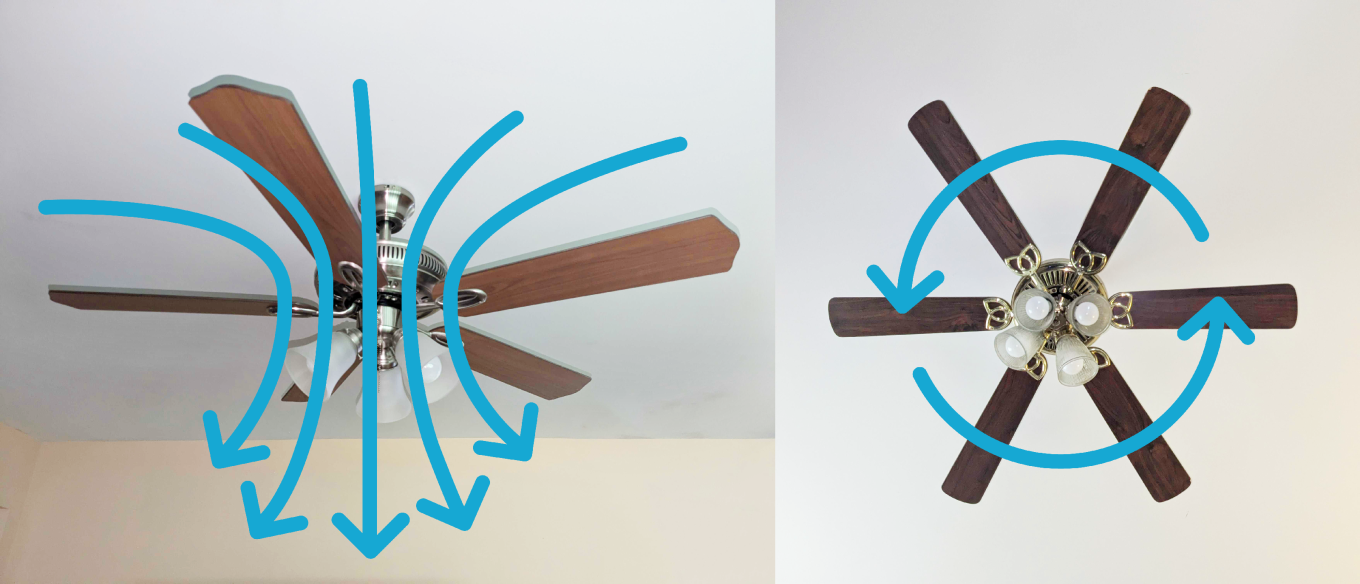
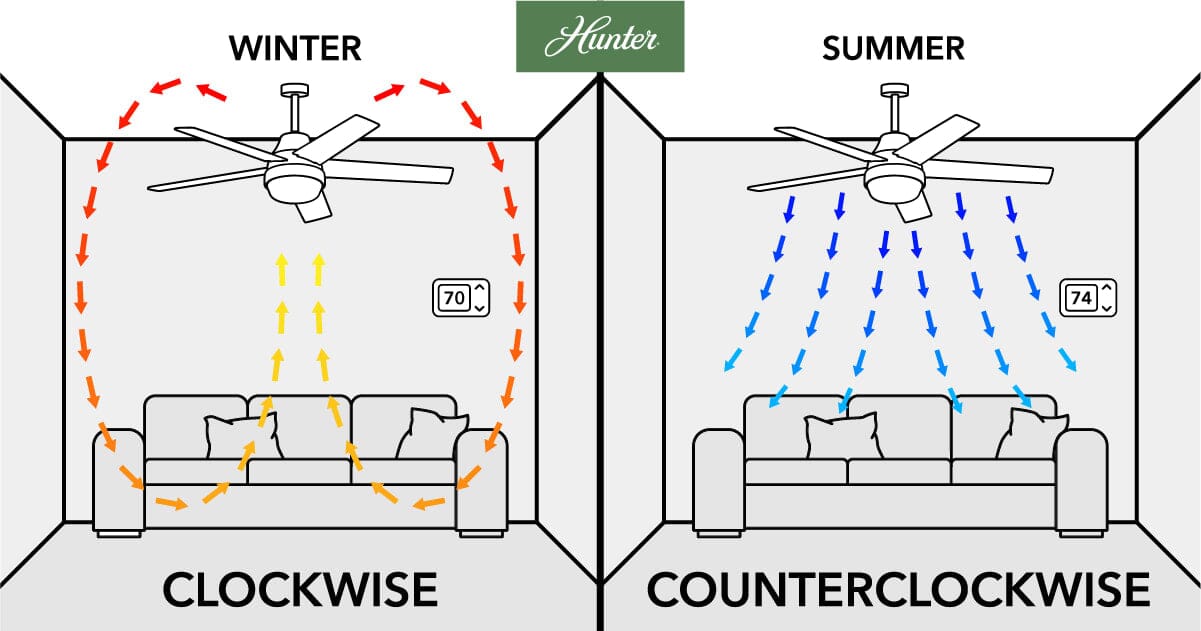
Think of it this way: you want the fan blades to scoop the air up and push it down on you. A counter-clockwise rotation achieves just that, creating a refreshing downdraft that'll make you feel like you're lounging on a tropical beach, even if you're just stuck in your living room battling Netflix.
Imagine yourself as a majestic palm tree, swaying gently in a warm breeze. That's the feeling we're aiming for! The counter-clockwise spin mimics that natural airflow, bringing coolness and tranquility to your humble abode.
How Do I Know Which Way My Fan is Spinning?
Okay, Sherlock Holmes, time for a little detective work! Stare intensely at your fan. Really get in there. Maybe even put on some dramatic music for added effect.
Seriously though, stand directly underneath the fan and watch which way the blades are moving. If the blades are angled and the leading edge (the part that hits the air first) is on the right as it goes around, it's likely going counter-clockwise.
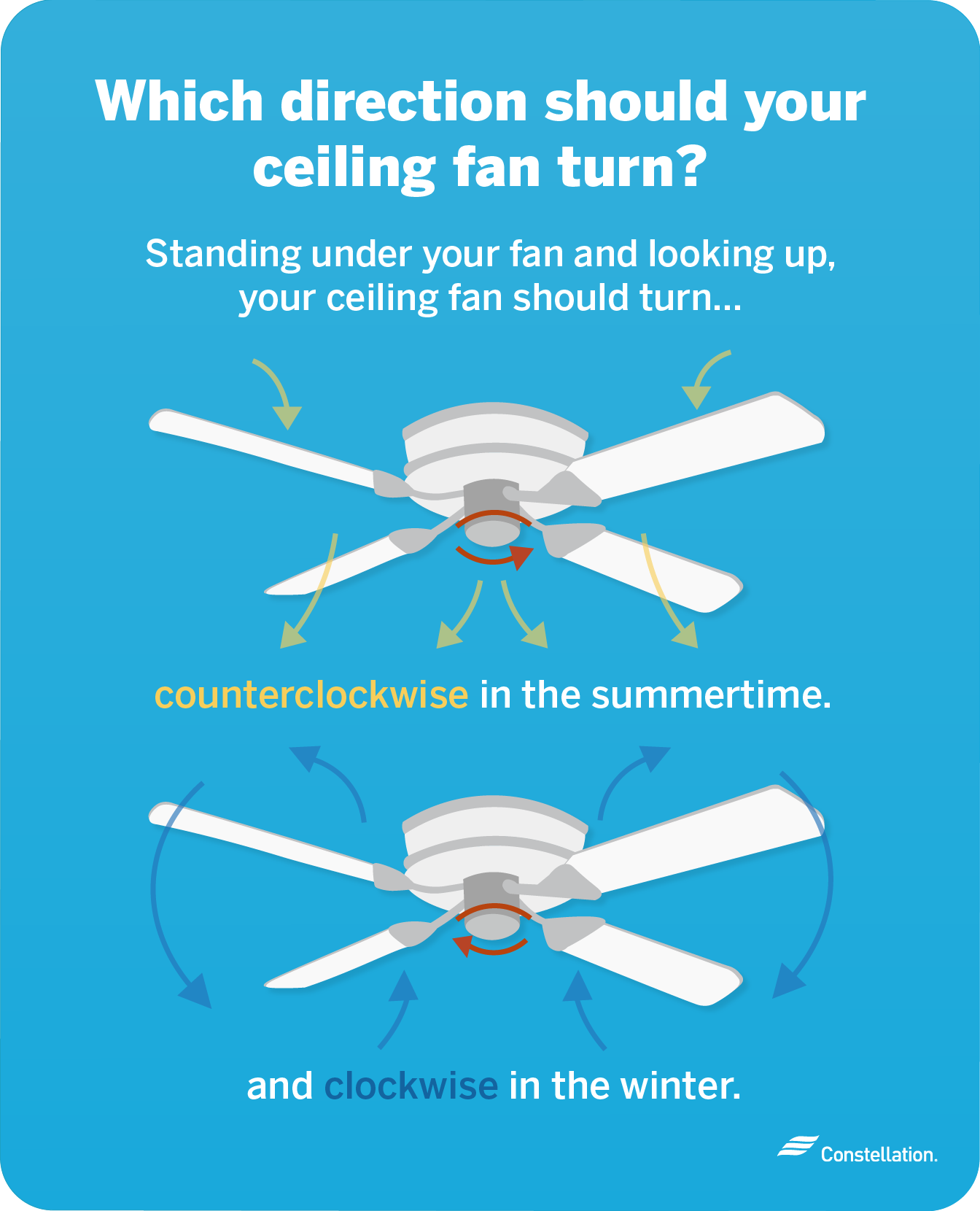
If you're still not sure (and let's be honest, sometimes these things can be tricky), grab a chair and take a closer look at the motor housing. Most fans have a small switch or button that controls the direction. It might be labeled "Summer/Winter" or have arrows indicating the direction of rotation.
The "Paper Test" for Ultimate Confirmation
Want to be absolutely certain? This is where the "paper test" comes in! Grab a lightweight piece of paper – a napkin, a tissue, a stray receipt – anything will do.
Hold the paper directly below the fan. If the fan is spinning in the correct (counter-clockwise) direction for summer, the paper should be blown downwards. Woohoo! You've officially mastered the art of ceiling fan optimization!
If the paper gets sucked upwards, well, Houston, we have a problem! Your fan is spinning in reverse, and you need to flip that switch ASAP.
Why Does Counter-Clockwise Work So Well?
Here's the tiny bit of science we'll get into. The counter-clockwise rotation creates a downdraft. This downdraft doesn't actually cool the air, but it does something even better: it disrupts the layer of warm air that naturally accumulates around your skin.
By blowing that warm air away, the fan allows your sweat to evaporate more efficiently, which does cool you down. It's like having a personal air conditioner, but without the hefty electricity bill!
Think of it as a gentle, constant breeze caressing your skin. This evaporation process is what makes you feel cooler and more comfortable, even if the room temperature itself hasn't changed.
Bonus Tip: Pair It With Your AC for Maximum Chill!
Want to take your summer cooling game to the next level? Pair your counter-clockwise spinning ceiling fan with your air conditioner. This dynamic duo will create a super-charged cooling effect that'll send shivers down your spine (in a good way!).
The fan helps circulate the cool air from the AC throughout the room, eliminating hot spots and creating a more even temperature distribution. You can even raise the thermostat a few degrees and still feel just as comfortable, saving you money on your energy bill!
It's like having a superhero team for your home comfort! The AC provides the initial cooling power, and the ceiling fan ensures that coolness reaches every nook and cranny.
Common Ceiling Fan Mistakes (and How to Avoid Them!)
Alright, let's address some common ceiling fan faux pas. These are the mistakes that can sabotage your cooling efforts and leave you feeling frustrated and sweaty.
Mistake #1: Ignoring the Direction. This is the biggest offender! Many people simply assume their fan is working optimally without ever checking the direction of rotation. Don't be that person! Take a minute to verify, and you'll be rewarded with sweet, sweet relief.
Mistake #2: Using the Wrong Speed. Crank it up! A faster speed creates a stronger downdraft, which translates to more effective cooling. Don't be afraid to unleash the full power of your fan!
Mistake #3: Leaving It On When You're Not There. Ceiling fans cool people, not rooms. If you're not in the room, turn off the fan to save energy. It's like leaving a light on in an empty room – wasteful and unnecessary.
The Bottom Line: Embrace the Breeze!
So there you have it! The secret to summer ceiling fan success is simple: counter-clockwise rotation. Embrace the breeze, feel the coolness, and conquer the heat with the power of proper airflow.
Go forth and spread the word! Tell your friends, tell your family, tell your neighbors: counter-clockwise is the way to go! Together, we can create a world where everyone enjoys a cool, comfortable summer.
Now, if you'll excuse me, I'm going to go adjust my ceiling fan and bask in its glorious, counter-clockwise-induced coolness. Happy spinning!
Troubleshooting: My Fan Still Isn't Cooling Me!
Okay, so you've checked the direction, you've cranked up the speed, and you're still feeling the heat. Don't despair! There are a few other factors that could be contributing to your discomfort.

Check for Dust: A thick layer of dust on your fan blades can significantly reduce its efficiency. Give those blades a good cleaning with a damp cloth to improve airflow.
Consider the Room Size: A small fan in a large room might not be powerful enough to circulate the air effectively. Make sure your fan is appropriately sized for the space.
Think About Placement: Is your fan positioned in a location where it can effectively circulate air? Obstructions like furniture or light fixtures can block airflow and reduce its effectiveness.
The Final Fan-tasy: Enjoy Your Cool Summer!
With these tips and tricks, you're now a certified ceiling fan expert! You know the direction to spin, the speed to set, and the mistakes to avoid. Go forth and create your own personal oasis of coolness this summer.
Remember, a little bit of knowledge can go a long way when it comes to home comfort. So, adjust that fan, kick back, and enjoy the sweet, sweet relief of a properly optimized ceiling fan.
And if all else fails, just grab a popsicle and blame the humidity. You've earned it!