
Which Way Ceiling Fan To Cool
:max_bytes(150000):strip_icc()/ceiling-fan-rotate-direction-1907533-v4-5ba94e6346e0fb002576cebf.png)
Ah, the humble ceiling fan. A quiet hero in many homes, effortlessly spinning its way into our hearts and, more importantly, our comfort zones. Whether you're sipping iced tea on a sweltering afternoon or just trying to get some air moving in a stuffy room, there’s a simple pleasure in that steady, circulating breeze. It’s more than just a decorative fixture; it's a silent sentinel against discomfort, a beacon of cool relief that many of us simply can't imagine living without.
The beauty of a ceiling fan lies in its elegant simplicity and the practical benefits it brings to our everyday lives. Its primary purpose, of course, is to make us feel cooler. It does this by creating a delightful wind-chill effect, helping to evaporate sweat from our skin and making the ambient air feel significantly more pleasant. Think of it as your personal, gentle gale. But beyond just cooling, fans are incredible at air circulation, preventing stale air from settling and distributing warmth more evenly in cooler months. This makes them a fantastic, energy-efficient alternative or supplement to air conditioning, potentially shaving dollars off your utility bill while keeping your home comfortable.
You’ll find ceiling fans everywhere, from cozy bedrooms and bustling kitchens to open-plan living rooms and even outdoor patios. They come in countless styles, sizes, and finishes, perfectly blending with any décor. But the real genius of a ceiling fan isn't just its aesthetic appeal or its ability to create a draft; it’s the fact that it can actually work with the seasons, if you know its little secret. And that secret is all about which way it spins!
Must Read
So, let's get down to the brass tacks: how do you get the most out of your spinning friend? The key lies in understanding its dual functionality. For those hot, oppressive
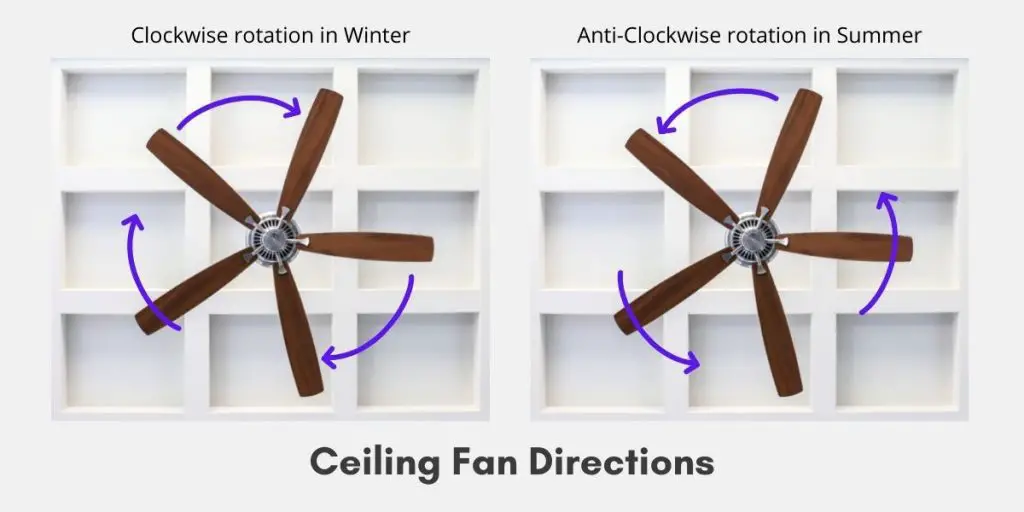
But what about when the temperatures drop and you want to feel snug and warm? This is where many people overlook their ceiling fan's winter potential. During the
Changing the direction is usually a simple affair. Most ceiling fans have a small switch on the motor housing itself – often a little toggle or slider. Just make sure the fan is

![Ceiling Fan Directions for Summer vs Winter [Infographic]](https://airflowacademy.com/wp-content/uploads/2021/06/ceiling-fan-direction-for-summer.jpg)
