Ah, summer! The season of sunshine, outdoor adventures, and that delightful, undeniable urge to complain about the heat. When the mercury climbs and even your ice cream starts sweating, there’s one humble hero that often steps in to save the day: the fan. It's not as flashy as a full-blown air conditioner, but for many of us, the gentle hum and the blessed breeze of a fan are as essential to summer survival as sunscreen and cold lemonade. We love them for their simplicity, their relative affordability, and the sheer joy of feeling a little bit of movement in the stifling air.
Fans are truly the unsung workhorses of home comfort. Their primary purpose isn't to cool the air like an AC unit (they don't change the ambient temperature), but rather to create a wind-chill effect on your skin by evaporating sweat. This makes you feel cooler, which is often all you need for relief. Beyond personal comfort, fans also play a crucial role in air circulation, preventing stuffiness and helping to distribute cooler air (if you have any!) throughout a room. From the majestic ceiling fan presiding over your living room to the portable box fan strategically placed in a window, or the tiny personal fan bravely battling your desk-side humidity, these devices bring a practical, energy-efficient approach to battling the summer swelter. They're a common sight in homes, offices, and even outdoor patios, offering a consistent, low-cost method to enhance comfort.
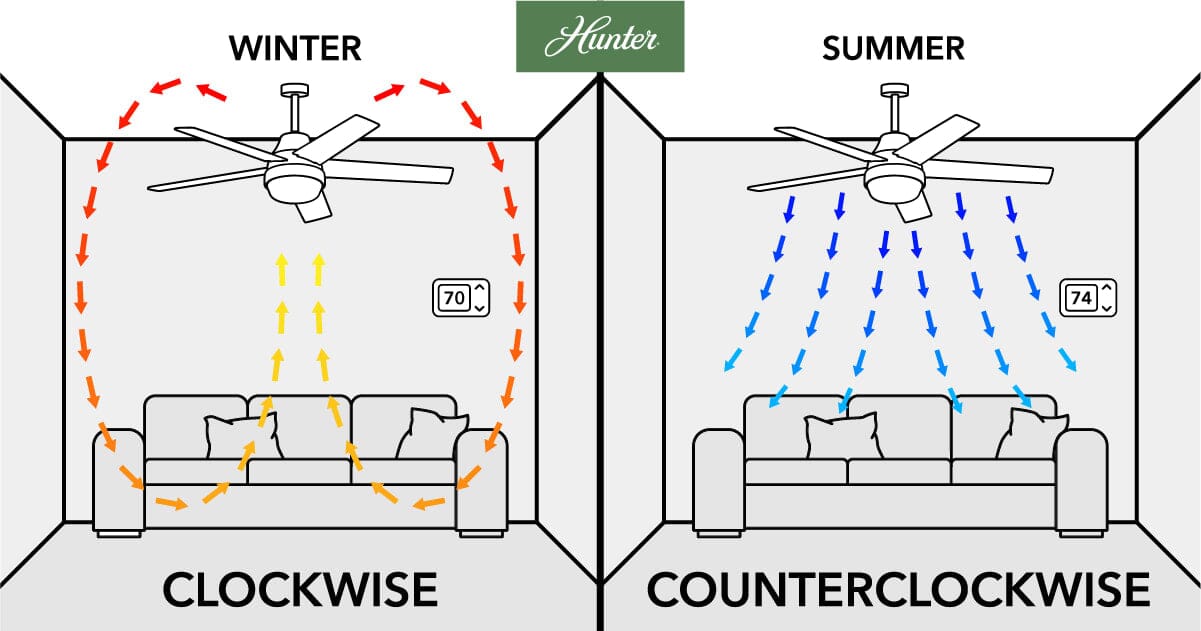
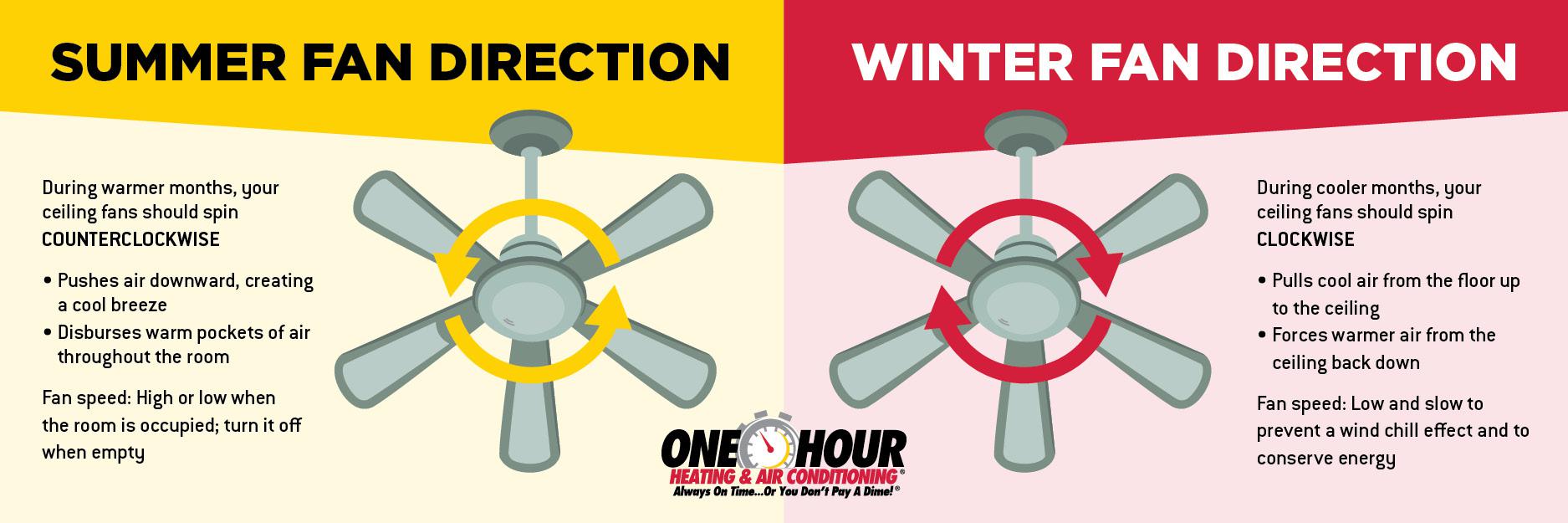
Now, for the million-dollar question that has puzzled many a hot homeowner: which way should your ceiling fan spin in summer? The answer is crucial for maximizing its cooling power. During the summer months, your ceiling fan blades should be spinning in a counter-clockwise direction when you're looking up at it from below. This pushes air straight down, creating a strong, refreshing downdraft that directly contributes to that wonderful wind-chill effect on your skin. If your fan feels like it's just gently stirring the air without much impact, it's likely spinning the wrong way. Most ceiling fans have a small switch on the motor housing – often a little black slider – that allows you to easily reverse the blade direction. Give it a flick, and you’ll likely feel an immediate difference!
What about your other trusty fans? Box fans and tower fans offer different strategic advantages. If you’re looking to get hot air out of a room, place a fan facing out of an open window, particularly in the evening when the outdoor air starts to cool down. This acts as an exhaust, pulling the warmer indoor air outside. Conversely, if there's cooler air outside (think early morning or late evening), point the fan inward through an open window to draw that refreshing air into your home. You can also create a powerful cross-breeze by placing one fan blowing in and another fan blowing out in different windows, creating an effective flow of air through your living space. For personal relief, a direct blast from a desk or floor fan aimed right at you is often all you need.
To truly enjoy your fans more effectively, here are a few more pro tips. Consider placing a bowl of ice water in front of a floor fan for a DIY air-conditioning effect – the fan will blow the cooler air off the melting ice. Keep your fan blades clean; dust and grime can impede airflow and reduce efficiency. And remember, fans cool people, not rooms. So, if you're leaving a room, turn off the fan to save energy. By understanding the simple science and applying these practical tips, you can transform your hot summer days into breezy, comfortable experiences, one perfectly spinning fan blade at a time. Stay cool!


:max_bytes(150000):strip_icc()/ceiling-fan-rotate-direction-1907533-v4-5ba94e6346e0fb002576cebf.png)