Which Unit Of Electricity Does The Work In A Circuit
Ever wonder what's really happening inside that phone charger, that lightbulb, or even your car's engine? It all boils down to electricity, and understanding the basics can be surprisingly empowering. Forget complicated equations for now. We're going to unravel a simple mystery: which little electrical hero actually does the work in a circuit?
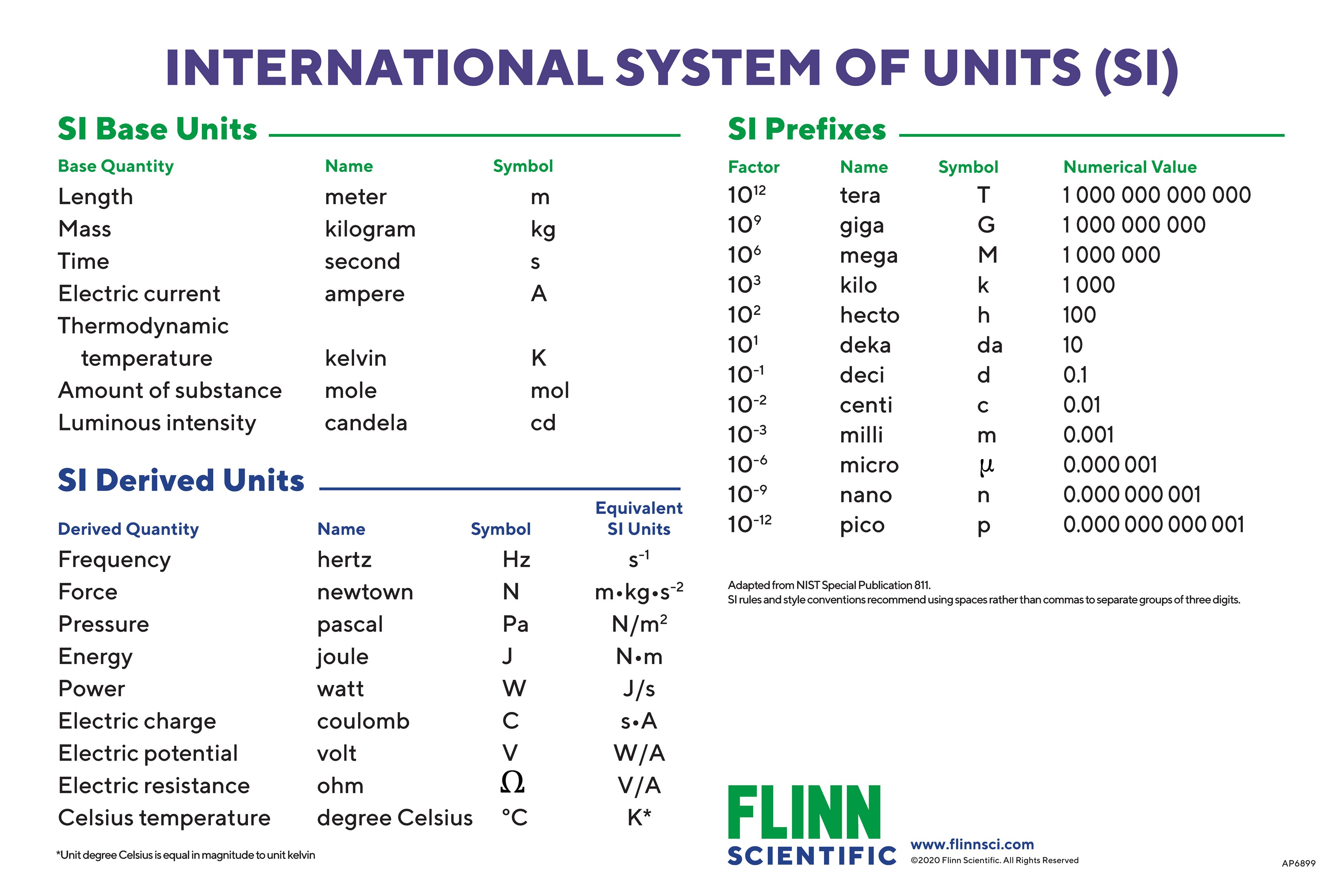
We often hear about volts, amps, and watts. They're all important, but they play different roles. Think of it like a water park. Volts are like the water pressure pushing through the pipes. Watts describe the total power of a ride – how much water it uses per second. But which part of the water actually carries you down the slide? That's where our electrical hero comes in.
The answer is the ampere, often shortened to amp and representing the flow of electric current. More specifically, it's the movement of electrons that does the work. Think of electrons as tiny little delivery trucks, and the current (amps) as the number of these trucks passing a point in a circuit every second. Each electron carries a small amount of energy, and when they move together in a current, they deliver that energy to power your devices.
Must Read
So, why is this important? Understanding that current is the workhorse helps you grasp how circuits function. For example, a high-powered appliance like a microwave needs a lot of current to operate. That’s why it requires a thicker power cord (allowing more electrons to flow) and a dedicated circuit breaker (protecting the wires from overheating if too much current tries to flow). A low-power device, like an LED nightlight, uses a tiny amount of current, hence the thin cord and lower power consumption.
Understanding amps also has practical benefits beyond theoretical knowledge. It's crucial for safety. Knowing the current rating of your devices and electrical circuits helps you avoid overloading circuits, which can lead to fires. It also helps you troubleshoot electrical problems. A blown fuse, for instance, is often the result of excessive current flow.

Moreover, knowing about current allows you to be more energy-efficient. By choosing appliances with lower current draw, you can reduce your electricity bill and minimize your environmental impact. Look for the amp rating on appliances – lower is generally better (for your wallet and the planet!).
In short, while voltage provides the "push" and watts measure the overall power, it's the flow of current (amps), carried by electrons, that truly performs the work in an electrical circuit. So, next time you flip a switch, remember those tiny electron delivery trucks diligently shuttling energy to power your world!