
Which Thermometer Shows A Faster Rise In Temperature
Okay, let's talk thermometers. Not the kind you're using to take your temperature when you're feeling a bit under the weather – although, hey, that's important too! We're diving into the world of culinary and scientific thermometers, the unsung heroes of perfectly cooked steaks and precisely measured experiments.
And the burning question on everyone's mind (or at least, the question that prompted this article): Which thermometer heats up the fastest? Is it the sleek, modern digital thermometer, or the classic, dependable analog one? Let’s find out.
The Contenders: Digital vs. Analog
First, a quick introduction. Digital thermometers are the tech-savvy newcomers. They use electronic sensors to measure temperature and display the result on a screen. Think of them as the smartphones of the thermometer world – packed with features and offering instant gratification. Think instant readings!
Must Read
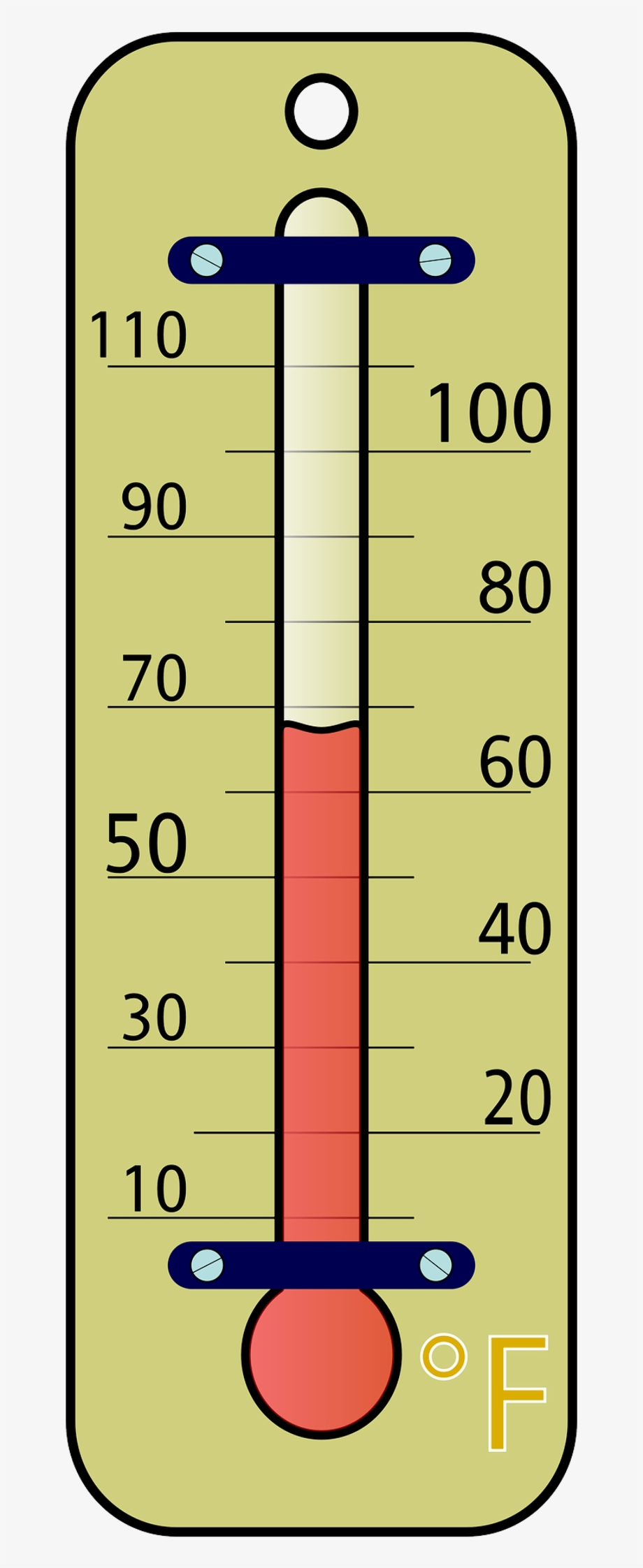
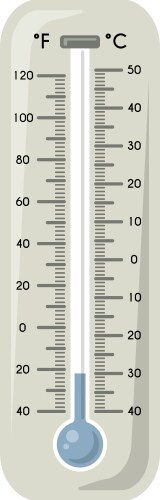
Analog thermometers, on the other hand, are the vintage vinyl records. They rely on physical principles, usually the expansion of a liquid (like mercury or alcohol) within a glass tube, or a bimetallic strip that coils and uncoils in response to temperature changes. They're the reliable, old-school option, like your grandma's cast iron skillet – they might take a bit longer, but they get the job done.
The Speed Test: It's All About Response Time
So, which one wins the speed race? Generally speaking, digital thermometers boast a significantly faster response time. This is because the electronic sensors can react almost instantly to temperature changes. We're talking readings within seconds, sometimes even fractions of a second!

Analog thermometers, with their reliance on physical expansion, are inherently slower. The liquid or bimetallic strip needs time to react to the heat, leading to a slightly delayed reading. Think of it as waiting for your dial-up internet to connect back in the day – a little patience required.
However, it’s not quite that simple. The type of digital thermometer matters. A thermocouple thermometer, often used in professional kitchens, can give you a reading almost instantaneously. Infrared thermometers are also incredibly fast, giving you a surface temperature reading within a second.
Practical Tip: When choosing a thermometer, consider what you'll be using it for. For quick spot checks or monitoring rapid temperature changes (like tempering chocolate, or ensuring your grilled steak is medium rare), a fast-responding digital thermometer is your best bet.
Factors Affecting Thermometer Speed
Several factors can influence how quickly a thermometer responds, regardless of whether it's digital or analog.
- Immersion Depth: Make sure the thermometer is inserted far enough into the substance you're measuring. Too shallow, and it won't accurately reflect the internal temperature.
- Thermometer Placement: Avoid touching the sides or bottom of the container, as this can skew the reading. Think of it like taking a selfie – angle is everything!
- Calibration: A poorly calibrated thermometer will give you inaccurate readings, no matter how fast it is. Regularly calibrate your thermometers to ensure accuracy. You can use an ice bath or boiling water.
- Battery Life (Digital): A weak battery can slow down the response time of a digital thermometer. Keep those batteries fresh!
Fun Fact: Did you know that Gabriel Fahrenheit, the inventor of the mercury thermometer, was originally a glassblower? Talk about a niche skill set!

Beyond Speed: Accuracy and Use Case
While speed is important, accuracy is paramount. A fast but inaccurate thermometer is about as useful as a chocolate teapot! Choose thermometers that are known for their precision and reliability.
Furthermore, consider the intended use. For cooking, a leave-in probe thermometer allows you to monitor the temperature of your roast in real-time. For checking the temperature of a child, a temporal artery thermometer offers a quick and non-invasive option.
Cultural Reference: Remember the scene in "Ratatouille" where Remy is checking the temperature of the soup? That attention to detail, and accurate temperature, is what separates a good dish from a culinary masterpiece!
The Takeaway: Speed with Precision
In conclusion, digital thermometers generally exhibit a faster rise in temperature reading compared to their analog counterparts. However, factors like accuracy, intended use, and proper calibration should be carefully considered when selecting a thermometer.
Final Reflection: Just like in life, speed isn't everything. Sometimes, taking a moment to slow down, to be precise, and to appreciate the process is just as important as getting to the finish line quickly. Whether you're searing a steak or simply taking a moment to breathe, accuracy and intention matter.