
Which Statement Is Consistent With The Law Of Demand

Hey there, economics explorer! Ever wondered about the secret sauce that drives prices? It's not just some random magic trick; it's the Law of Demand! And trust me, understanding this simple rule can make navigating the world of shopping (and life!) a whole lot more fun. So, let's dive in and figure out which statement truly dances to the tune of demand!
Decoding the Demand Dilemma
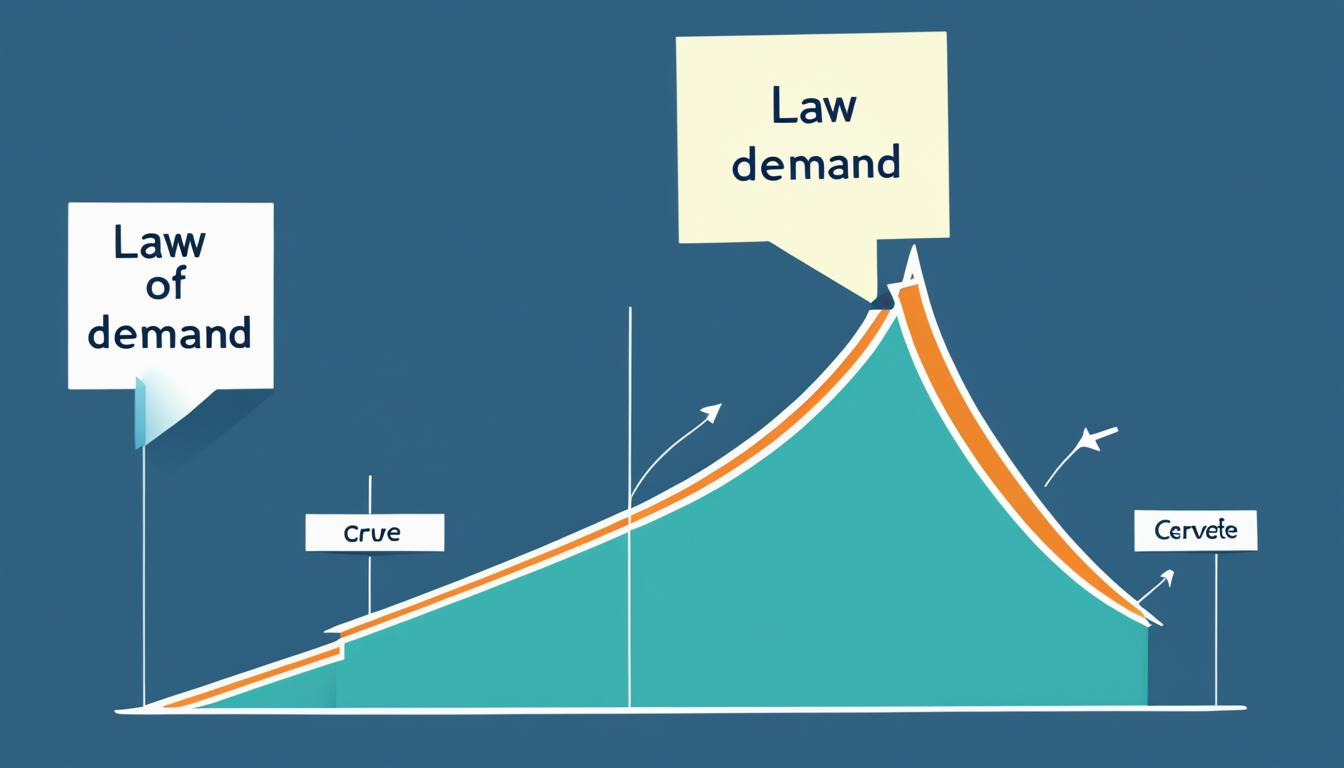
So, what exactly is this "Law of Demand" we keep talking about? Basically, it's this: As the price of a good or service goes up, the quantity demanded goes down, and vice versa. Think of it like a seesaw. Price on one side, demand on the other. When one side goes up, the other goes down. Simple, right?
It's all about that inverse relationship. High price? People are like, "Nah, I'll pass." Lower price? Suddenly, everyone wants in! It's like a sale at your favorite store – you're way more likely to grab that sweater when it's 50% off, aren't you? That's the Law of Demand in action! Demand is the quantity of a good or service that consumers are willing and able to purchase at a given price during a specific time period.
Must Read
Why does this happen? Well, for starters, there's the substitution effect. If the price of coffee skyrockets, you might switch to tea, right? Boom! You've just substituted one good for another because of a price change. And then there's the income effect. If prices in general are higher, your money doesn't stretch as far, so you buy less overall. Basically, you feel a bit poorer, even if your actual income hasn't changed.
Finding the Faithful Follower
Alright, let's get practical. You're faced with a multiple-choice question, something like: "Which of the following statements is consistent with the Law of Demand?" What do you look for?

Here are some possible answer choices you might see, along with why some are correct and some aren't:
- A) As the price of gasoline increases, people drive more. (Nope! Directly contradicts the law)
- B) When the price of iPhones decreases, more people buy them. (Bingo! Sounds right)
- C) When incomes rise, people buy less of everything. (Possibly true for inferior goods but not related to the Law of Demand in general)
- D) Price increases and demand remains unchanged. (Absolutely not! That breaks the fundamental relationship.)
The correct answer is usually the one that clearly demonstrates that inverse relationship between price and quantity demanded. Look for the statement where a price decrease leads to an increase in quantity demanded, or a price increase leads to a decrease in quantity demanded. Like option B above!

Think about it like this: If the price of your favorite pizza goes down, are you more likely to buy an extra slice (or maybe even a whole pie)? You bet! That's the Law of Demand whispering sweet nothings in your ear.
Beyond the Basics: Demand isn't Everything
Now, it's super important to remember that the Law of Demand is just one piece of the economic puzzle. Other things, like consumer tastes, income levels, the price of related goods (like substitutes and complements), and expectations about future prices, can also affect demand. These are often referred to as "demand shifters."
For example, if everyone suddenly decides that kale smoothies are the only acceptable breakfast, demand for kale will shoot up, even if the price stays the same. See? Other factors come into play!
And let's not forget about supply! Demand and supply work together to determine the actual market price of goods and services. It's a beautiful, complex dance, but understanding the Law of Demand gives you a huge leg up in figuring it all out.

Making Life More Fun (and Economically Savvy!)
So, why does any of this matter? Well, think about it. Understanding the Law of Demand can help you make smarter purchasing decisions. You'll be able to predict how price changes might affect your buying habits and maybe even snag some sweet deals along the way. Plus, you'll be able to impress your friends with your newfound economic knowledge! (Who doesn't love a good conversation about demand curves at a party? Okay, maybe not everyone, but you get the idea!)
More importantly, understanding the Law of Demand helps you become a more informed citizen. You'll be better equipped to understand economic news, analyze policy proposals, and participate in discussions about important issues. And that, my friend, is a pretty powerful thing.
So, go forth and explore the world of economics! Start with the Law of Demand, and who knows where your curiosity might lead you? The journey is fascinating, and the knowledge you gain will undoubtedly enrich your life. Keep asking questions, keep learning, and keep having fun! The world is your economics classroom!