Which Periodic Group Of Metals Is The Most Reactive

Ever wondered about the most daredevil group in the periodic table? It's not about being the strongest or the prettiest; it's about being the most reactive! We're talking about metals that practically leap at the chance to combine with other elements, often with spectacular results. Understanding reactivity isn't just cool science trivia; it has practical applications for everyone, from beginner science enthusiasts to families looking for engaging experiments, and even hobbyists working with metals in crafts or construction.
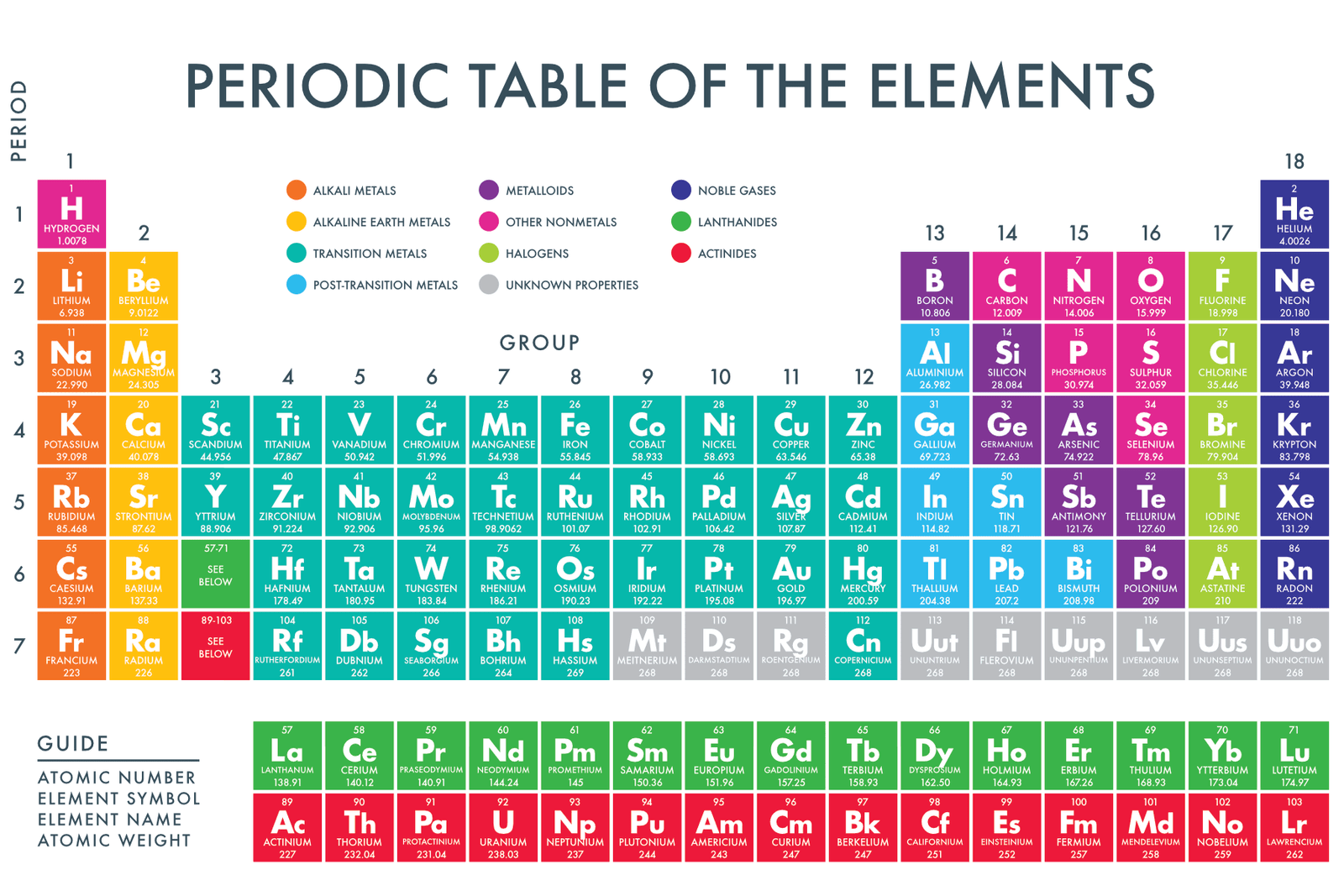
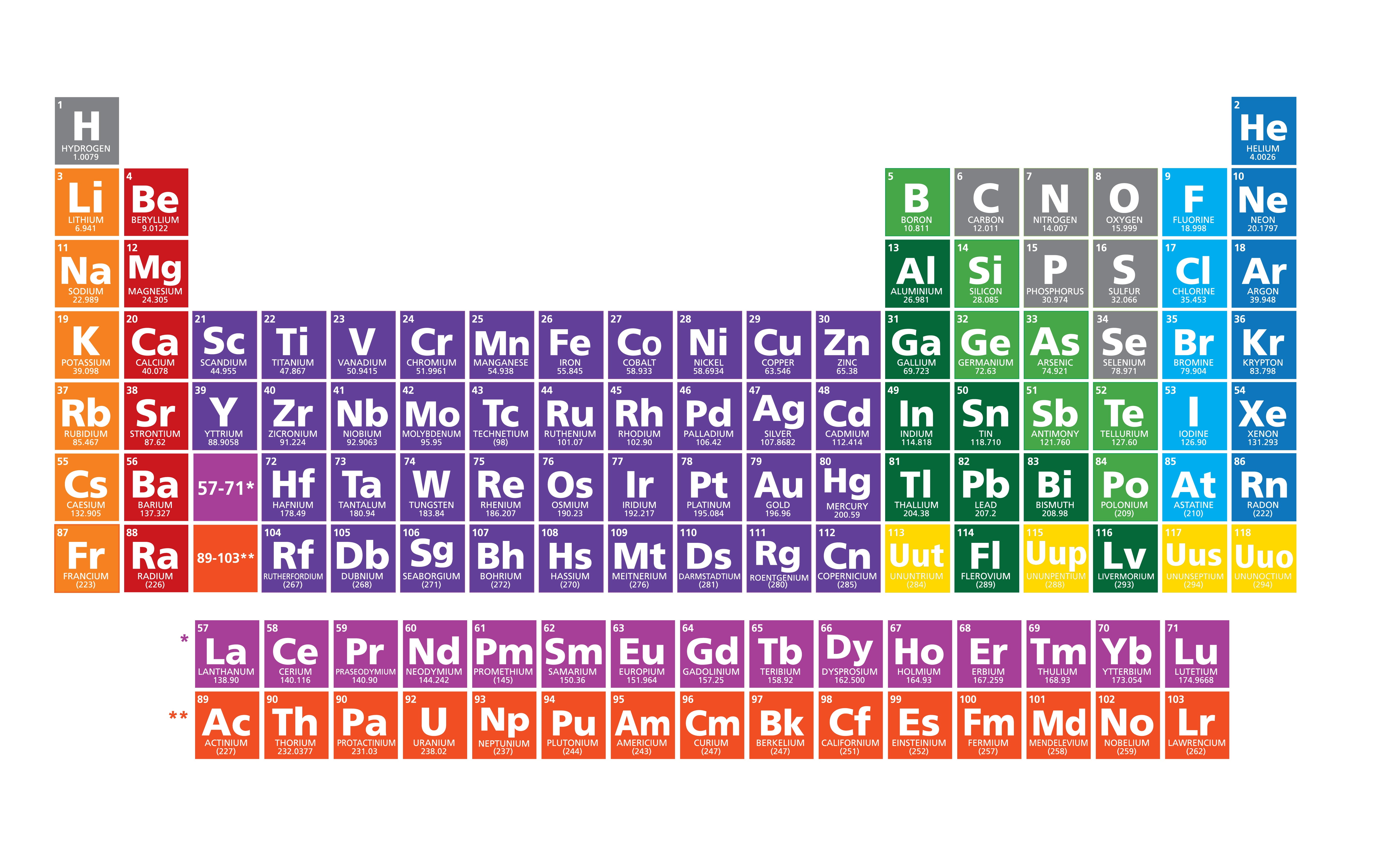
So, who are these energetic metals? The answer lies in Group 1: the Alkali Metals. This family, consisting of Lithium (Li), Sodium (Na), Potassium (K), Rubidium (Rb), Cesium (Cs), and Francium (Fr), are the undisputed champions of reactivity when it comes to metals. They're so keen to react that they're never found in their pure form in nature. Instead, they're always bonded to other elements in compounds.
Why are they so reactive? It all boils down to their atomic structure. Alkali metals have just one electron in their outermost shell. They're desperate to get rid of it to achieve a stable electron configuration, just like the noble gases (Group 18) next door. This eagerness to lose that single electron makes them incredibly reactive with other elements that are looking to gain electrons, like those in Group 17, the Halogens.
Must Read
For beginners: Thinking about rust is a simple example of reactivity. Iron (Fe) isn't an alkali metal, but it still reacts with oxygen and water in the air to form rust. Alkali metals react even faster and more vigorously! Imagine that on steroids!
For families: While playing with pure alkali metals is definitely not recommended (they can be dangerous!), you can explore reactivity safely. Baking soda (sodium bicarbonate) reacting with vinegar is a safe and fun experiment demonstrating a chemical reaction involving sodium, albeit in a less dramatic form. You can also discuss how table salt (sodium chloride) is a stable compound because sodium has already reacted with chlorine.
For hobbyists: Understanding metal reactivity is crucial for welding, soldering, and metalworking. Knowing which metals are more prone to corrosion or react easily with certain chemicals can help you choose the right materials and protective measures for your projects. For example, some metals need to be coated to prevent oxidation, which is a form of reactivity.
Examples and Variations: Different alkali metals have different levels of reactivity. As you go down the group, the reactivity increases. Francium is the most reactive, but it's also incredibly rare and radioactive. Sodium and potassium are more commonly encountered. Remember those videos of sodium reacting violently with water? That’s a prime example of alkali metal reactivity!
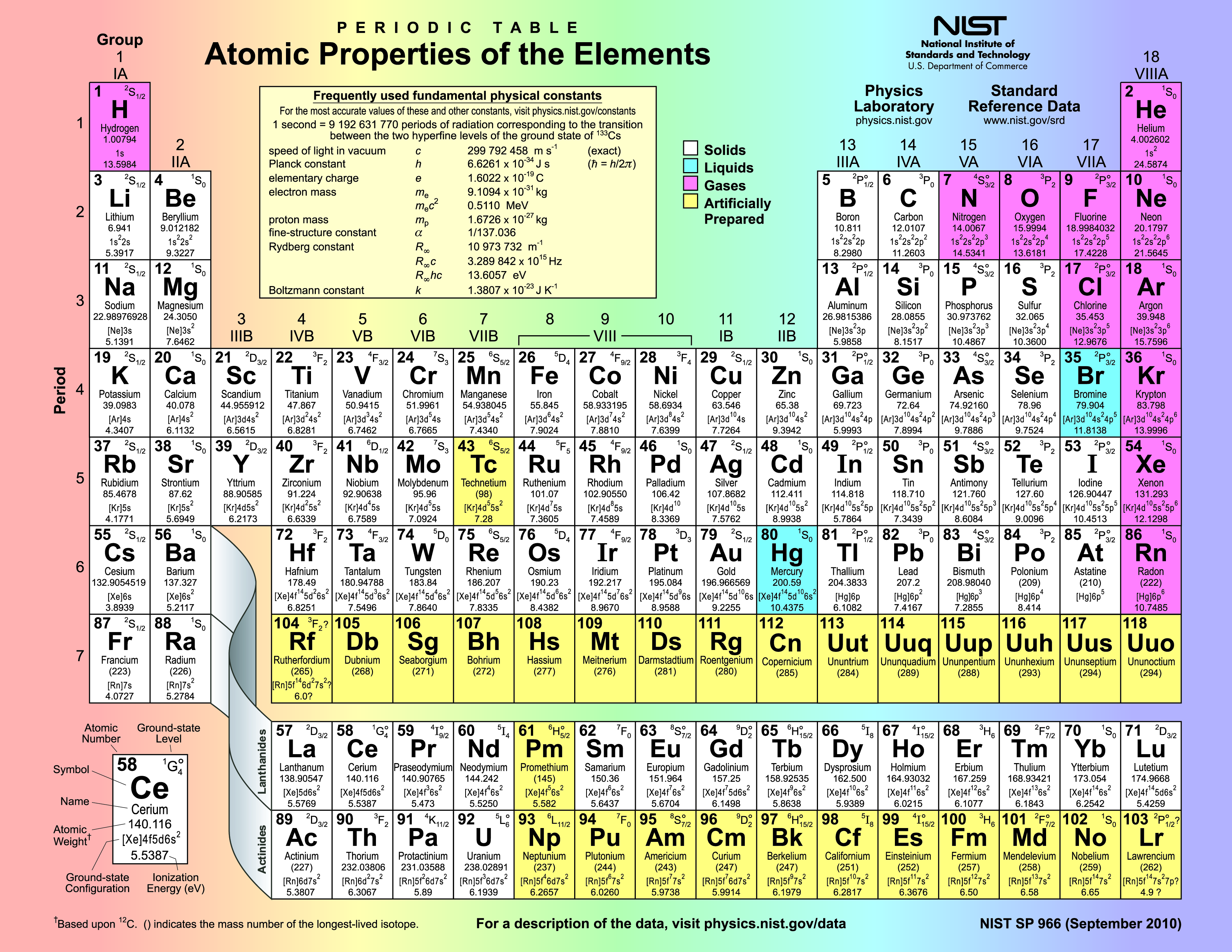
Getting Started: You don't need a lab to learn more! Start by researching the periodic table and focusing on Group 1. Look up videos of alkali metals reacting with water (but don't try this at home!). Read about the uses of sodium and potassium in everyday life, from table salt to fertilizers.
Exploring the reactivity of the alkali metals is like uncovering a secret world of chemical interactions. It's a fun and fascinating journey that highlights the fundamental principles of chemistry and its impact on our daily lives. So dive in, ask questions, and enjoy the explosive world of chemical reactivity!