Which Part Of The Food Should You Check The Temperature

Okay, settle in, folks, because we're about to dive into a topic that's hotter than a jalapeño popper at a chili cook-off: food safety! Specifically, where exactly do you stick that thermometer of yours to make sure you're not about to accidentally unleash a legion of tiny, tummy-rumbling terrors into your system.
Let's be honest, nobody enjoys taking the temperature of their food. It feels like a science experiment gone slightly wrong. Like you're performing a medical procedure on a chicken breast. But trust me, a few seconds of thermometer poking is a whole lot better than spending the next few days worshipping the porcelain throne. We've all been there, right? (No? Just me? Okay, moving on…)
The Goldilocks Zone: Finding the Cold Spot
The key thing to remember is you're aiming for the coldest part of the food. Why? Because if the coldest part is at the right temperature, you know the entire thing is safe. It's like checking the weakest link in a chain – if that link holds, you're golden.
Must Read
Imagine you're baking a massive lasagna. It's bubbling, it's cheesy, it smells like your Italian grandmother just hugged you. But… are you sure the center is hot enough? That's where you need to plunge the thermometer! We’re not talking about a quick surface check here; we’re going for the core, the heart of the lasagna beast.
Think of it this way: if your lasagna could talk, it would probably say, "Hey, buddy, check me out in the middle. That's where all the cool kids (and potentially harmful bacteria) hang out."

Specific Food, Specific Spots: A Quick Guide
Alright, let's get down to brass tacks. Here's a lightning round of temperature-taking tips for some common culprits:
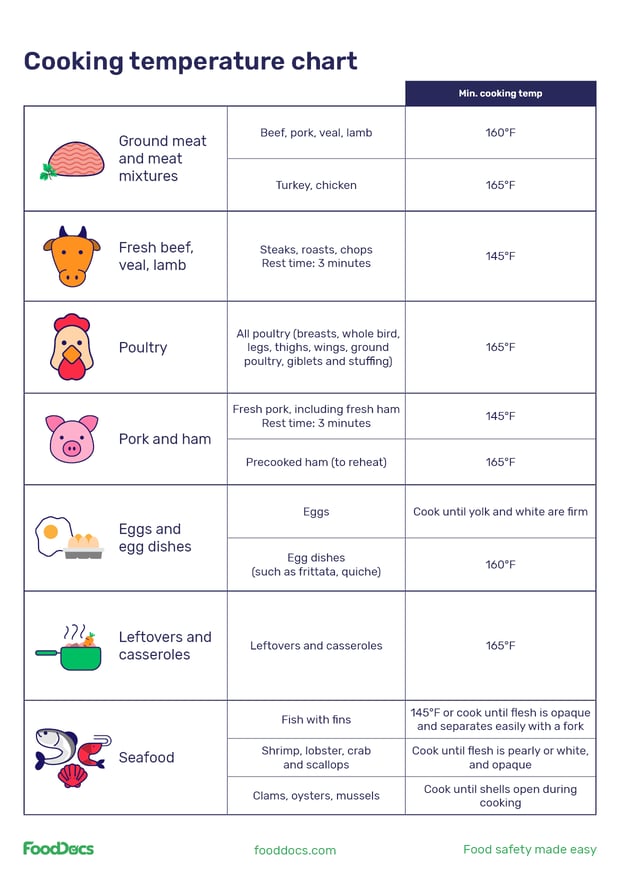
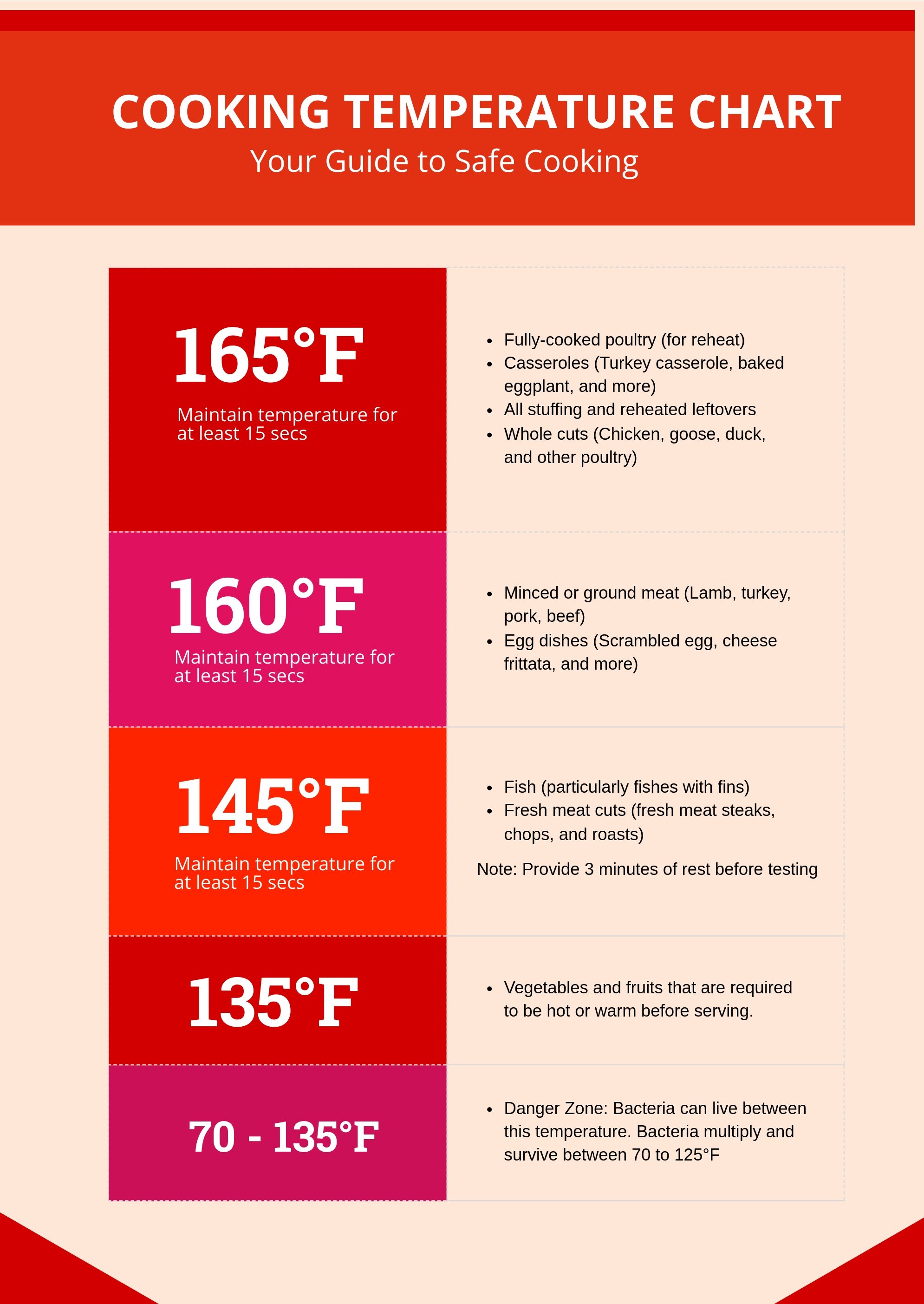
- Poultry (Chicken, Turkey, Duck): This is a big one. Stick that thermometer into the thickest part of the thigh, avoiding the bone. Why the thigh? Because it's dense, takes the longest to cook, and is basically bacteria's favorite vacation spot. You're looking for 165°F (74°C).
- Ground Meat (Burgers, Meatloaf): Same deal – thickest part. Aim for the center of that juicy burger. 160°F (71°C) is your magic number. Fun fact: Did you know that ground meat has a higher risk of bacteria because it has more surface area exposed during grinding? It's true! That seemingly innocent burger patty is a wild party of microscopic organisms until you cook it properly.
- Steaks, Chops, Roasts: Insert the thermometer into the thickest part, again avoiding bone. Here, you can play with doneness. Rare? 135°F (57°C). Medium-rare? 145°F (63°C). Well-done? 160°F (71°C). But remember, these are minimums. Err on the side of caution, especially with ground meat.
- Pork: For whole cuts of pork (like roasts), aim for 145°F (63°C). If it's ground pork, treat it like ground beef – 160°F (71°C). Remember, trichinosis is a real thing (though much rarer these days), so don't skimp on the cooking!
- Fish: 145°F (63°C) is the goal here. The flesh should be opaque and flake easily with a fork. Overcooked fish is sad, dry fish, but undercooked fish is… well, let's just say it's a gamble you probably don't want to take.
- Casseroles & Other Dishes: Always check the center! Imagine that cheesy, bubbly surface is a clever disguise hiding a cold, potentially bacterially-infested core. You're aiming for 165°F (74°C) for most casseroles.
Thermometer Etiquette: A Few Dos and Don'ts
Now, a quick word about thermometer manners. Yes, even thermometers have etiquette. I’m kidding! (Mostly.) But seriously, keep these in mind:
- Do: Use a clean thermometer! Wash it with soap and water before and after each use. Nobody wants to introduce new bacteria to the party.
- Do: Insert the thermometer at least a couple of inches into the food (depending on the size of the food, of course). You want to get a representative reading.
- Don't: Check the temperature while the food is still cooking. Open the oven (or grill) as briefly as possible to avoid losing heat.
- Don't: Assume the food is safe just because it looks done. Looks can be deceiving! Use that thermometer!
So there you have it! The thrilling, suspenseful, and occasionally hilarious world of food temperature checking. Remember, a little vigilance now can save you a whole lot of unpleasantness later. Now go forth and conquer those culinary creations... safely!
Bonus Tip: Get a good instant-read thermometer. It's worth the investment. Trust me, your stomach will thank you.