
Which Part Of A Drill Is Fitted On The Machine
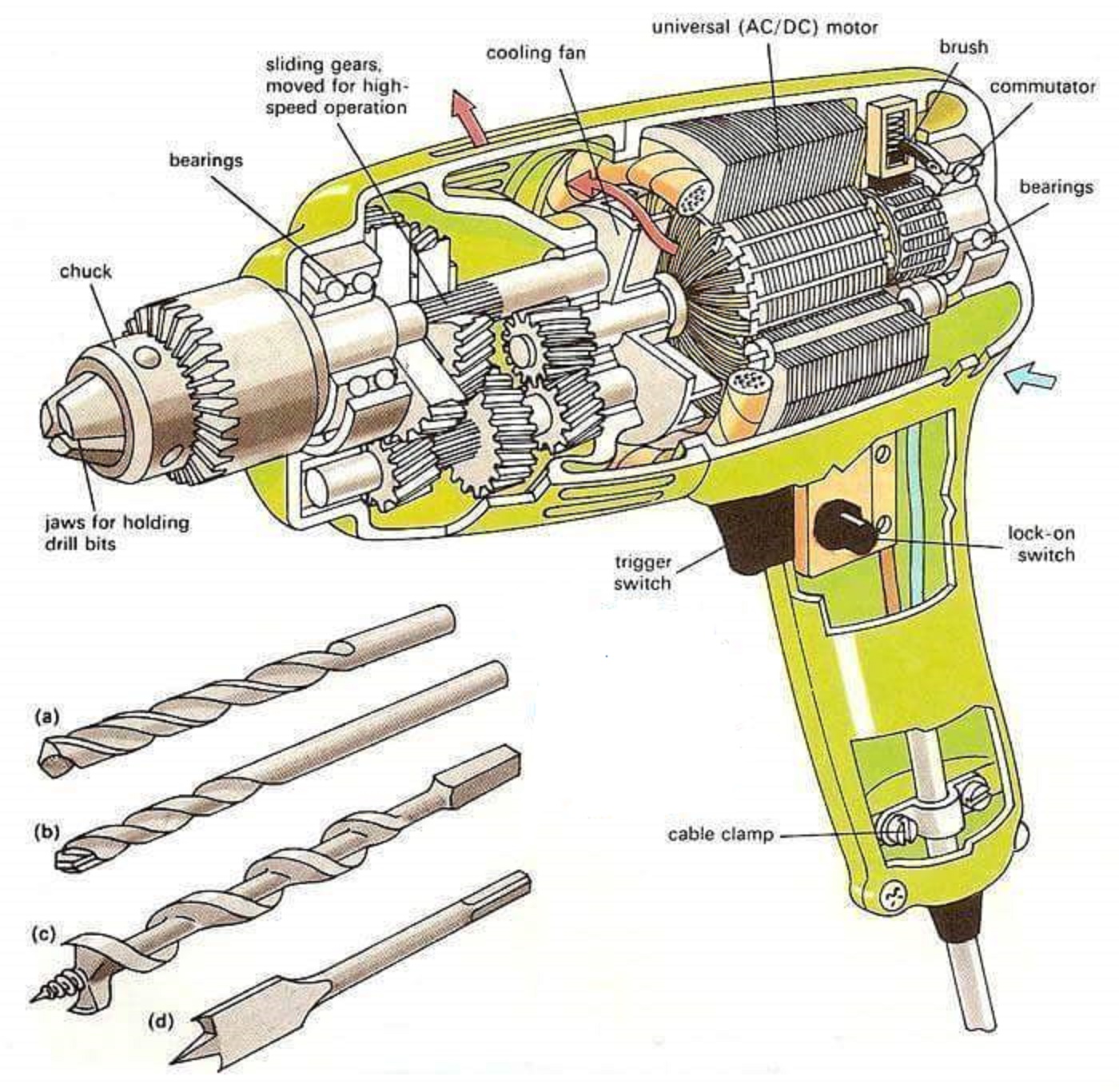
Alright, gather 'round, folks! Let's talk about drills. Not the kind your sergeant yells at you to do, but the power tool that's either your best friend or worst enemy, depending on how many holes you've accidentally drilled in the wrong places. And today, we're tackling a question that sounds deceptively simple: Which part of the drill bit goes into the drill? Sounds like a kindergarten question, right? Wrong! It's a rabbit hole of mechanical intrigue, I tell you!
Now, picture this: you're staring at a shiny new drill bit, fresh from the package. It’s all spirally and pointy, like a metal unicorn horn ready to conquer some wood. You’ve got your trusty drill in hand (hopefully not plugged in yet unless you're feeling particularly adventurous – I’ve been there!). But where, oh where, does this beautiful piece of engineering actually go?
Well, my friends, the part that gets fitted onto the machine is called the shank. Yes, like in prison movies! Although, hopefully, your drill bit shank isn't smuggled in a cake.
Must Read
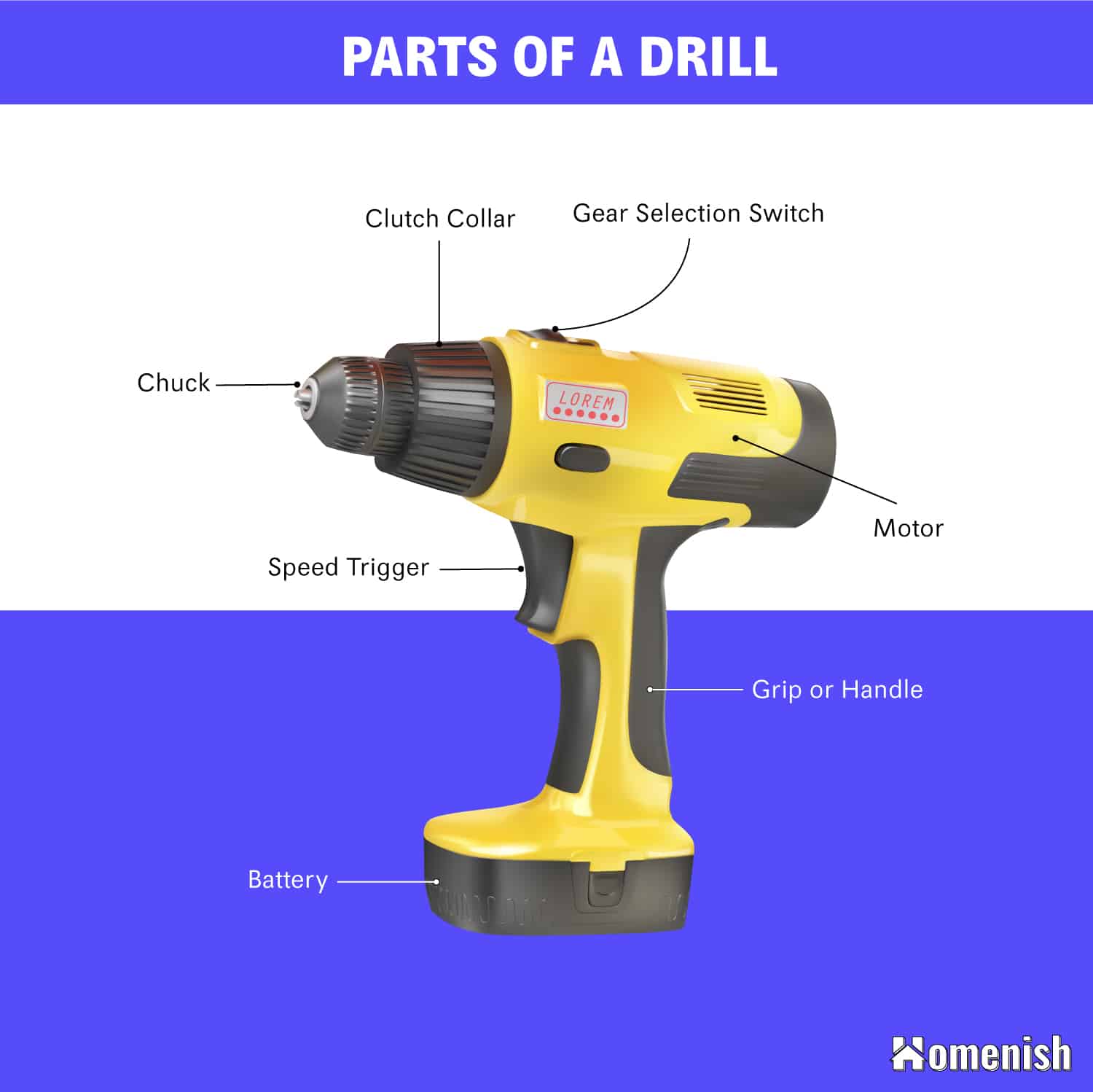
The shank is the often cylindrical (but sometimes hexagonal or other shapes, we’ll get to that!) part of the drill bit designed to be gripped securely by the drill's chuck. Think of the chuck as the drill's hand. A very, very strong, metal hand that can tighten its grip with alarming force. Ever over-tighten a drill bit? Yeah, me too. Makes you question the meaning of life for a good ten minutes.
The Chuck: Your Drill's Iron Grip
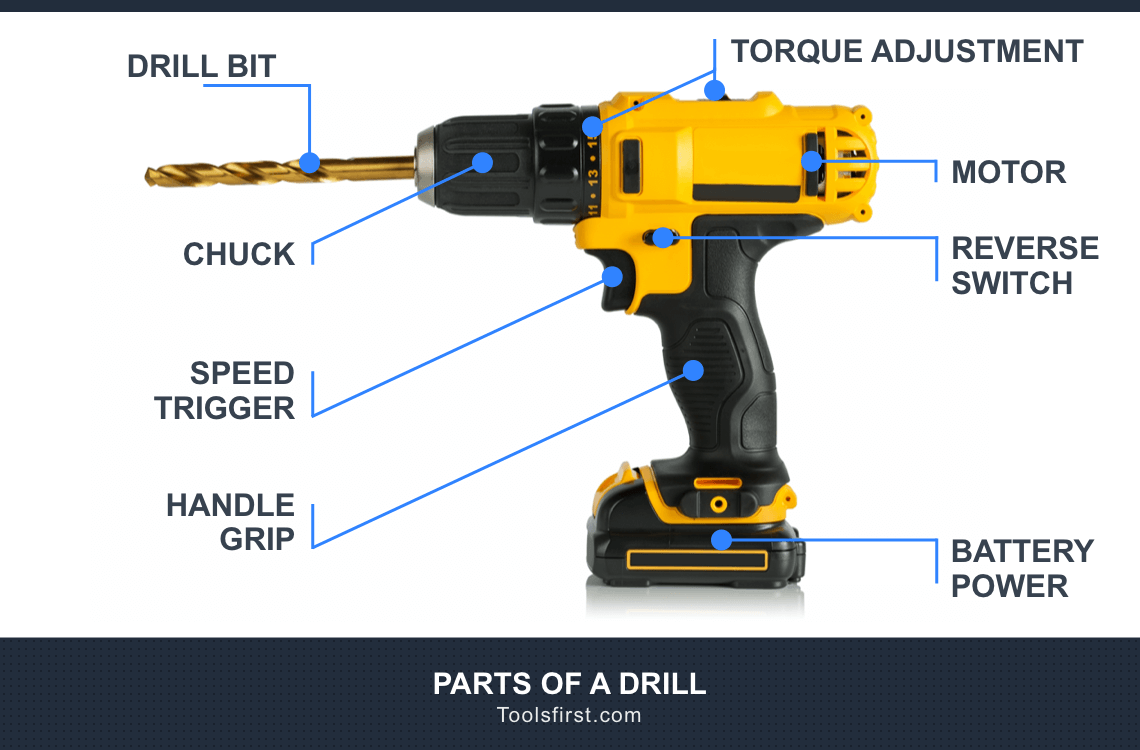
This chuck, this iron-fisted guardian of the drill bit, is usually tightened either with a key (remember those little guys? Always disappearing when you need them most, like socks in the dryer) or is keyless (a modern marvel of twisting and clicking that makes you feel like you’re operating a spaceship).
Now, why can’t we just jam the pointy end into the drill? Firstly, ouch! Secondly, it wouldn't work. The pointy end, known as the cutting tip or drill point, is designed to remove material, not to be securely held. Imagine trying to hold a pencil by the graphite tip and write with it. Good luck with that!
Shank Shapes and Sizes: A World of Wonder (and Confusion)
![Drilling machine and Types of Drilling Machine [with pictures]](https://i0.wp.com/www.theengineerspost.com/wp-content/uploads/2019/03/Drilling-machine.jpg?w=750&ssl=1)
Here's where it gets interesting. The shank isn’t just a generic metal stick. Oh no. We have different kinds of shanks. Like breeds of dogs, but for power tools. There are:
- Cylindrical Shanks: The classic, everyday shank. Works in most standard drills. The vanilla ice cream of drill bits.
- Hex Shanks: Shaped like a hexagon. These are less likely to slip in the chuck, providing better torque. Think of them as the bodybuilders of the shank world.
- SDS Shanks: Now we're talking! These are specialized shanks for hammer drills. SDS stands for "Slotted Drive System" or "Slotted Drive Shaft," depending on who you ask (and what they had for breakfast). They allow the drill to hammer and rotate at the same time, making them perfect for drilling into concrete and other tough materials. They're like the special ops of drill bits.
- Tapered Shanks: Used for larger drill bits, these shanks taper in size, providing a secure and precise fit. They're the elegantly dressed dignitaries of the drill bit world.
It's crucial to match the shank type to your drill's chuck. Trying to force a hex shank into a cylindrical chuck is like trying to fit a square peg in a round hole. You might succeed with enough brute force (don't!), but you'll probably damage something in the process. And nobody wants a damaged drill or a mangled drill bit. Trust me.
The Importance of a Secure Fit
A wobbly or loose drill bit is a recipe for disaster. Not only will your holes be inaccurate (goodbye, perfectly aligned picture frames!), but you could also damage the workpiece, the drill bit, or even yourself. Imagine the drill bit flying out mid-operation – not a fun experience, trust me. So, always ensure the shank is securely fastened in the chuck. Double-check it. Triple-check it if you're feeling paranoid. It’s better to be safe than sorry (and sporting a new hole where you didn't intend one).
So, the next time you pick up a drill and a drill bit, remember the shank – the unsung hero, the cylindrical or hexagonal (or SDS!) connector that makes all the drilling magic happen. Treat it with respect, choose the right one for your drill, and tighten that chuck like your life depends on it. Happy drilling!
