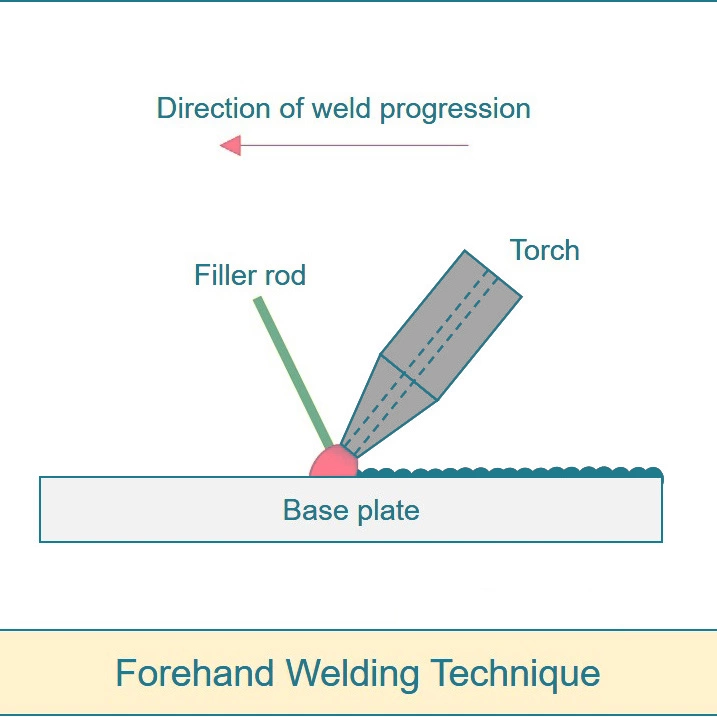
Which Of The Following Is True Of Backhand Welding

Hey there, welding curious cats! Ever heard someone toss around the term "backhand welding" and wondered, "Huh? Is that, like, welding with my left hand? Or maybe welding behind me?" Well, not quite! Let's dive into this technique and see what makes it tick. No need for a welding mask yet – just your inquisitive eyes!
So, what exactly is backhand welding, and what makes it different from other welding styles? Think of it like this: imagine you're using a paintbrush. With one technique, you might drag the brush towards you, pulling the paint along. With another, you might push the brush away from you, leading the paint. Backhand welding is like that second approach – you're generally pushing the welding torch away from the already welded portion.
Okay, But Which of These Statements is Actually True?
You probably came here wondering which statement correctly describes backhand welding. Well, here's the thing: it's less about one definitive statement and more about understanding the characteristics that define it. So, instead of a simple multiple-choice answer, let's explore the key features of backhand welding. Think of it as unlocking the secrets to this cool technique!
Must Read
First up: Heat Input! Backhand welding typically results in lower heat input compared to its counterpart, forehand welding. Why? Because you're pushing the torch away from the heat-affected zone, the metal has less time to absorb that intense energy. Think of it like a quick pat on the back versus a lingering hug. Which one transfers more warmth?
So, what does less heat input mean? Well, less heat translates to less distortion in the metal. That’s a big win! Imagine building a delicate house of cards. You want to make sure the foundation is stable right? Lower heat input helps prevent the metal from warping and twisting during the welding process, which is especially important for thin materials or intricate designs.
Now, let's talk about penetration. Since backhand welding uses less heat, it generally provides shallower penetration. This isn't necessarily a bad thing! It just means it's better suited for certain applications. If you're welding thinner materials, you don't need deep penetration. It's like choosing the right size of nail for a project – a tiny brad nail for delicate trim, or a hefty framing nail for structural support.
So, we've got lower heat input, less distortion, and shallower penetration. But there's more to this story!
Another crucial characteristic of backhand welding is its impact on the weld bead. Because of the torch angle and pushing technique, backhand welding tends to produce a wider, flatter weld bead. Think of it like spreading butter on toast. You can create a thin, even layer with the right technique!
Why is Backhand Welding So Interesting?
Okay, so we've covered the technical stuff. But why should you care? What makes backhand welding a cool technique to know about? Well, for starters, it's all about control and precision. By carefully managing heat input, you can achieve a cleaner, more accurate weld, especially on delicate materials. Imagine being a surgeon performing a delicate procedure – precision is key!
Plus, understanding different welding techniques like backhand welding gives you more versatility. You wouldn't use a hammer for every single home improvement project, would you? Similarly, knowing when to use backhand welding and when to use another technique expands your welding skillset and allows you to tackle a wider range of projects.
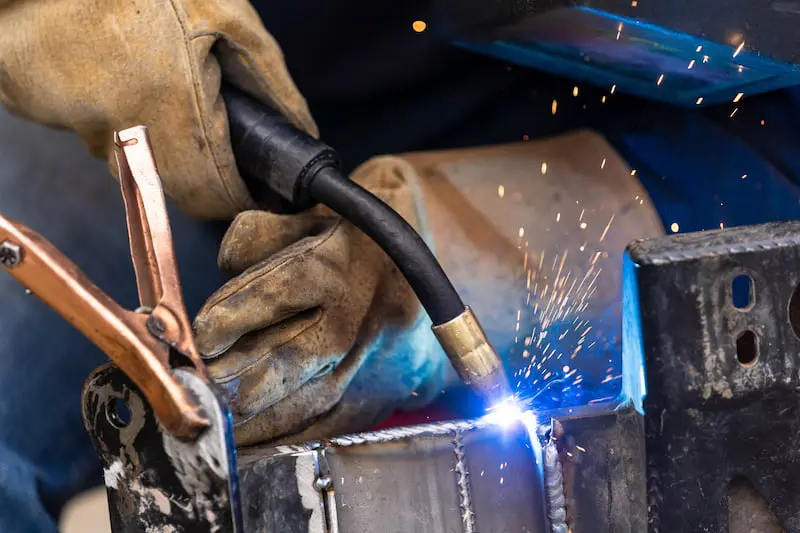
So, is backhand welding the ultimate, best-ever welding technique? Nope! It's just one tool in your welding arsenal. But by understanding its characteristics – lower heat input, less distortion, shallower penetration, and wider weld bead – you can make informed decisions about when and where to use it.
Think of it like choosing the right paint brush for a specific project. A wide brush is perfect for covering large areas, while a fine-tipped brush is ideal for intricate details. Backhand welding is like that fine-tipped brush – perfect for those jobs that require a delicate touch.
Hopefully, this has cleared up some of the mystery surrounding backhand welding. Now you can impress your friends at the next welding get-together with your newfound knowledge! Just remember: practice makes perfect. So, grab your torch (safely, of course!), and start experimenting. Who knows, you might just discover that backhand welding is your new favorite technique!