
Which Of The Following Is Renewable Energy Source
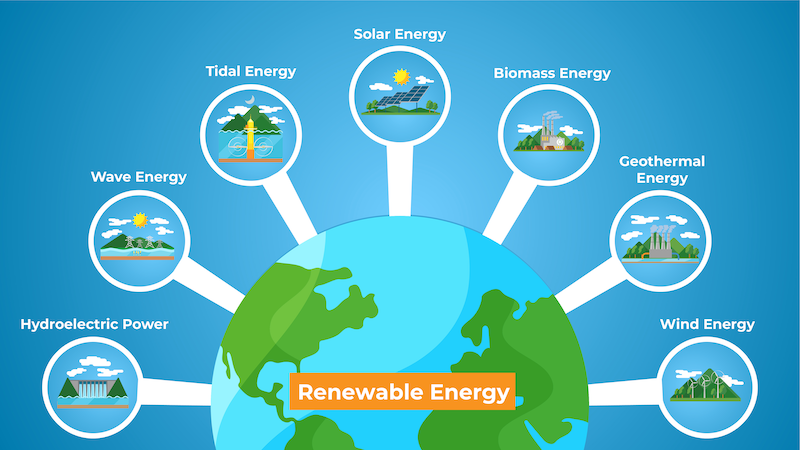
Hey there, energy explorers! Ever wondered where the power that lights up your living room, charges your phone, or even keeps your ice cream frozen comes from? It's a big question, and today, we're diving into a really important part of the answer: renewable energy. Think of it as the superheroes of the energy world – always ready to swoop in and save the day (and the planet!).
So, let's get right to it. Imagine you're taking a pop quiz, and the question is: "Which of the following is a renewable energy source?" The options might include things like coal, oil, natural gas, and… sunlight! Ding, ding, ding! Sunlight is your winning answer! But why? And what else counts as "renewable?" Let’s break it down in a way that's easier than understanding your grandpa's explanation of how to use a rotary phone.
What Makes Energy "Renewable?"
The key word here is renewable. It basically means that the energy source can be replenished naturally over a relatively short period of time. Think of it like this: imagine you have a cookie jar. If you keep taking cookies out of the jar without ever putting any back in (like using fossil fuels), eventually, the jar will be empty. That's non-renewable. But if you're constantly baking new cookies and adding them to the jar as you take some out (like with solar or wind), the jar never runs out! That's renewable!
Must Read
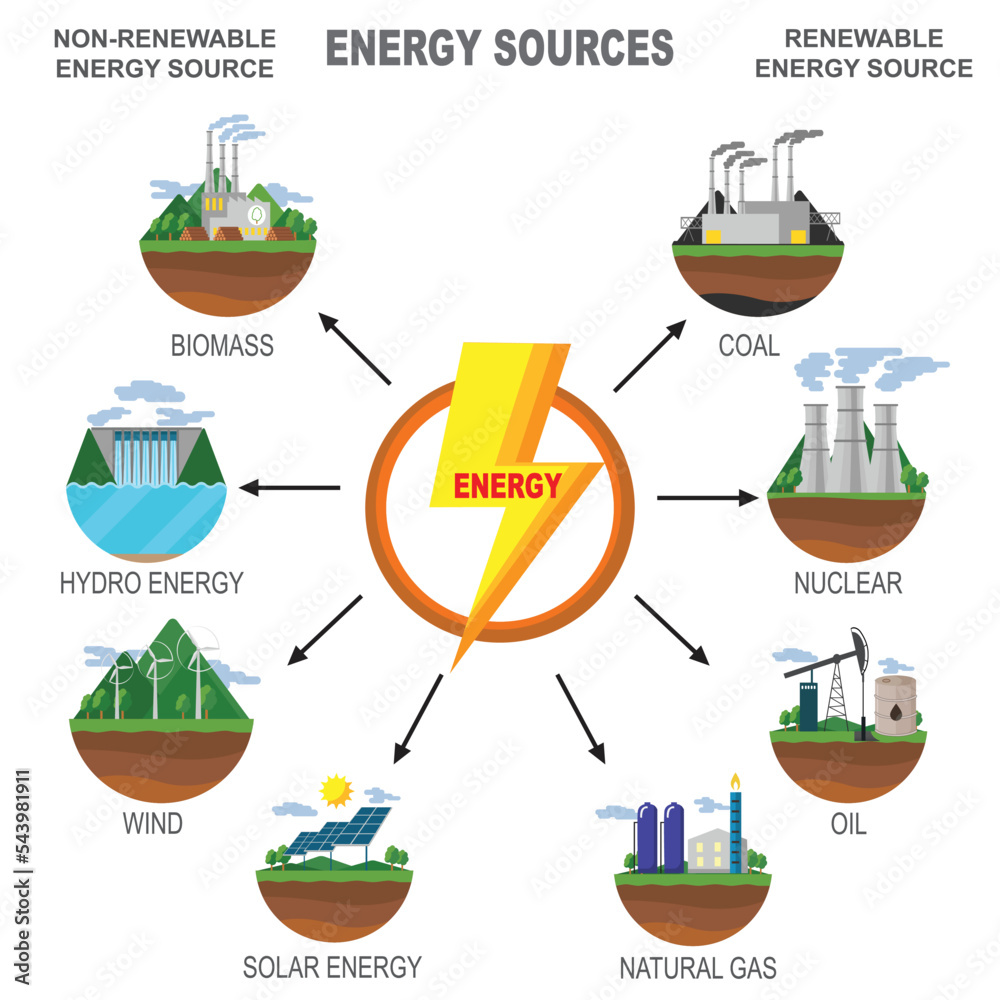
Non-renewable resources, like coal, oil, and natural gas, are formed over millions of years. Once we use them up, they're gone…for a very, very long time. Renewable resources, on the other hand, are constantly being replenished.
The Usual Suspects: Renewable Energy All-Stars
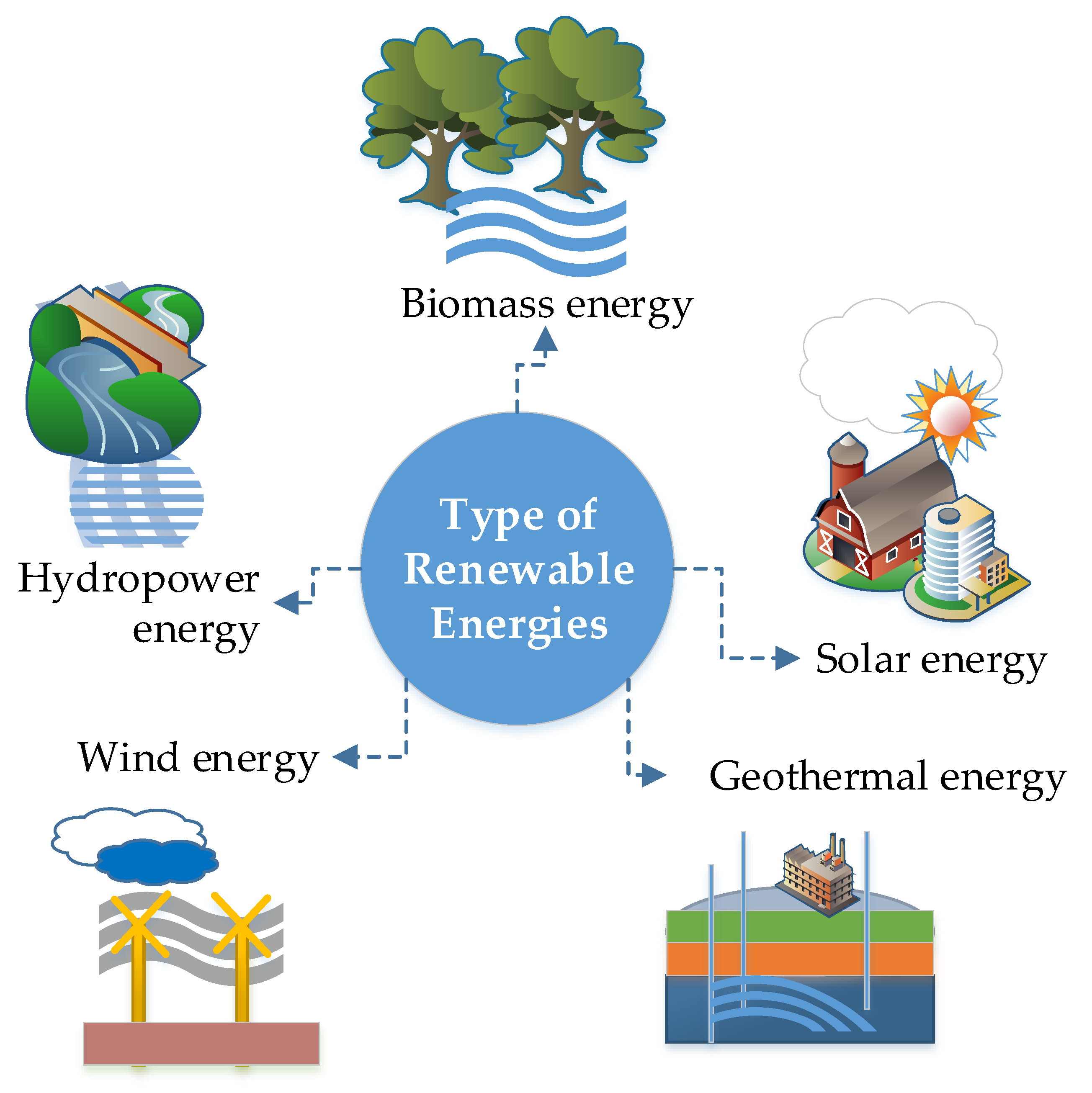
Okay, so we know sunlight is a star player, but what other sources make the renewable energy team? Here's a quick rundown:
Why Should You Care About Renewable Energy?
Alright, so you know what renewable energy is, but why should you even bother caring? Here’s the lowdown, stripped of all the complicated science jargon:
Cleaner Air & Water: Burning fossil fuels releases pollutants into the air and water, which can make us sick and harm the environment. Renewable energy sources produce little to no pollution.
Combating Climate Change: Burning fossil fuels is a major contributor to climate change. Renewable energy sources help us reduce our carbon footprint and protect the planet for future generations. Imagine a world with cleaner air, healthier oceans, and a more stable climate – that’s the power of renewables!
More Jobs & Economic Growth: The renewable energy industry is booming! It’s creating new jobs in manufacturing, installation, and maintenance. Investing in renewable energy can boost local economies and create a more sustainable future.
Energy Independence: Relying on fossil fuels often means relying on other countries for energy. Renewable energy sources are often locally available, which can help us become more energy independent.

Making a Difference, One Sunny Day at a Time
You don't need to be a scientist or an engineer to make a difference. Even small changes in your daily life can have a big impact. Consider these easy steps:
* Conserve Energy: Turn off lights when you leave a room, unplug electronics when you're not using them, and use energy-efficient appliances. * Support Renewable Energy: Choose a renewable energy provider if it's available in your area, or advocate for policies that promote renewable energy development. * Educate Yourself and Others: Learn more about renewable energy and share your knowledge with your friends and family. The more people who understand the benefits of renewable energy, the better!So, there you have it! Renewable energy is all about using the Earth's natural resources to power our lives in a sustainable way. It's a win-win for our health, our economy, and our planet. Let's embrace the power of the sun, wind, water, and Earth, and create a brighter, cleaner future for everyone! Think of yourself as a tiny solar panel, radiating awareness and promoting a better world. Every little bit helps!
