Which Of The Following Is Not An Output Device
We live in a world saturated with screens and sounds, a constant barrage of information flowing out from our devices. From the vibrant colors of a digital painting to the thumping bass of our favorite song, we're constantly interacting with the outputs of technology. But have you ever stopped to consider what actually creates those outputs? To understand the magic of creation, we need to know what's not an output device.
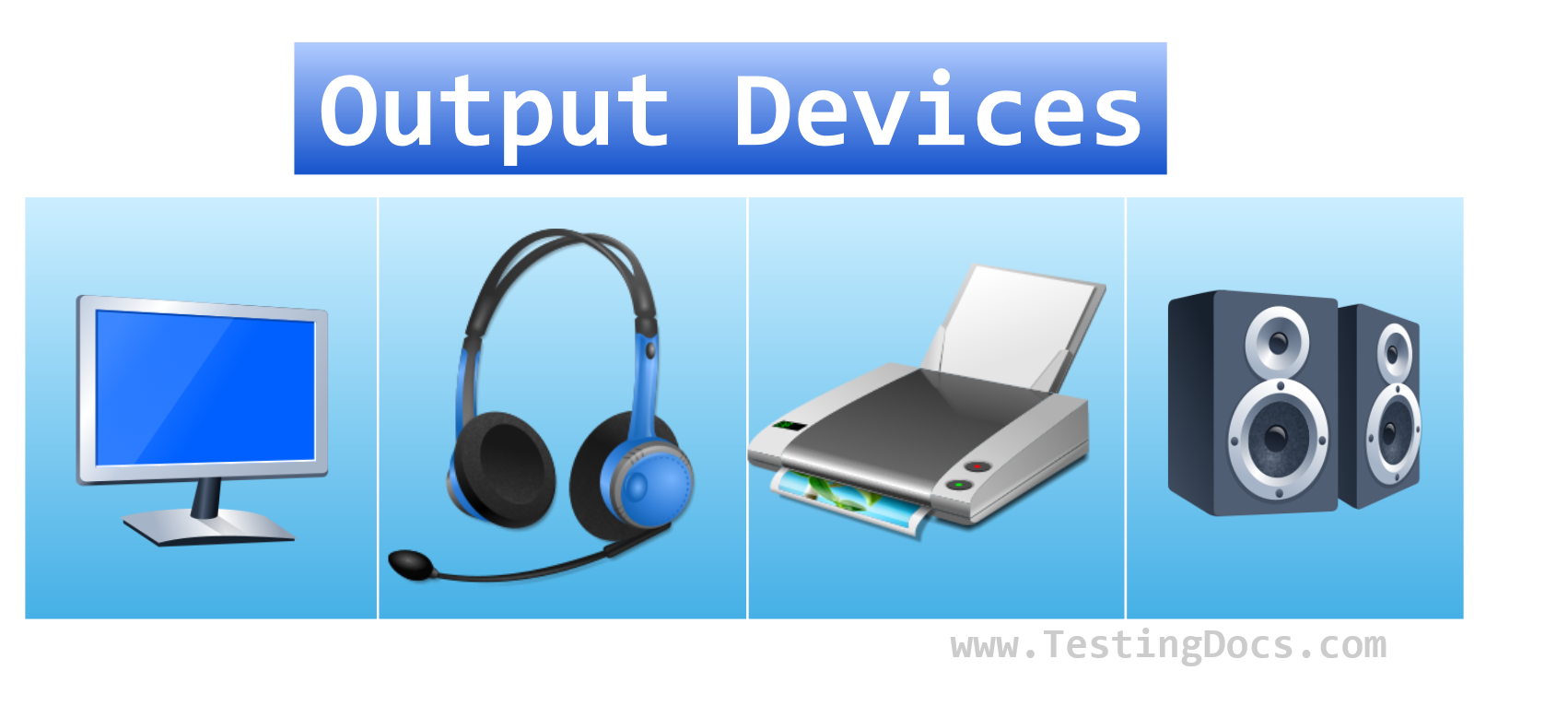
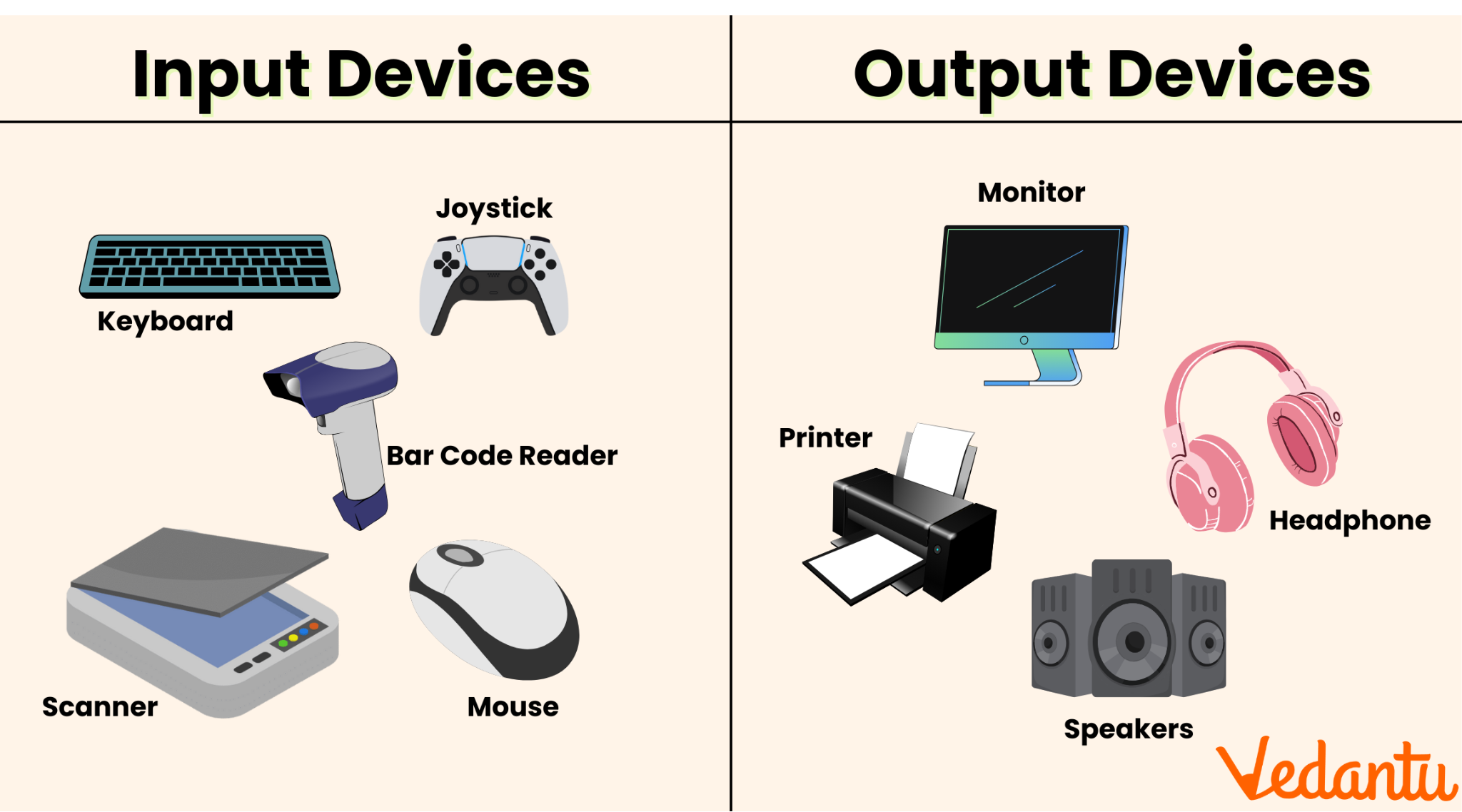
Let's play a quick game: Which of the following is NOT an output device? Think about what each item does. Is it displaying something, printing something, or playing something? If not, it's likely the answer! The options might be: a monitor, a printer, speakers, or a keyboard. The answer, of course, is the keyboard. A keyboard is an input device, feeding information into the computer, not the other way around.
Understanding the difference between input and output devices might seem trivial, but it's foundational to grasping how technology works, which is beneficial for anyone from artists to casual learners. For artists, knowing how your digital tablet (input) interacts with your monitor (output) allows for greater control over your creations. Imagine a digital painter struggling with lag between their stylus and the image on the screen. Understanding the data flow helps troubleshoot the issue and optimize their workflow.
Must Read
For hobbyists, particularly those interested in electronics or programming, distinguishing between input and output is essential for building projects. Think about building a simple robot. The sensors that detect obstacles are input devices, feeding information to the robot's "brain." The motors that move the robot and the lights that signal its status are output devices, responding to the instructions it receives.
Even for casual learners, knowing the basics empowers you to better understand and interact with the technology around you. For example, understanding that a microphone is an input device helps you troubleshoot audio problems during a video call. It's the first step to becoming a more confident and informed digital citizen.
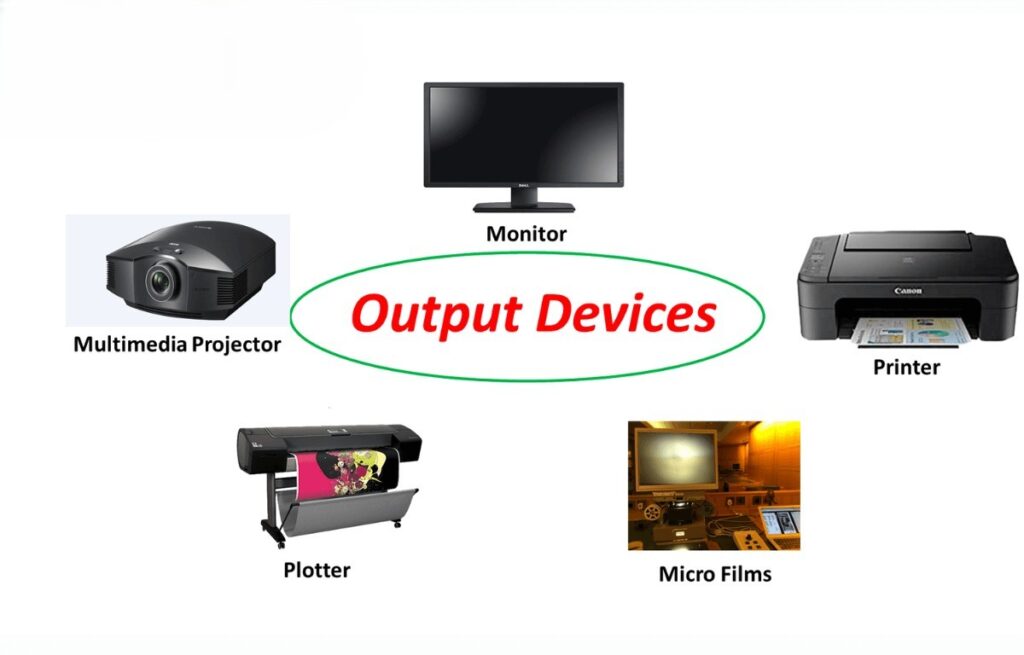
Let's consider some examples in action. Imagine a musician composing a song using a MIDI keyboard (input) and software like Ableton Live (processing). The resulting music is then heard through headphones or speakers (output). Or consider a photographer using a digital camera (input) to capture an image. That image is then edited on a computer and printed (output) onto high-quality paper.

Want to experiment with input and output devices at home? Try this: Take a picture with your phone (input). Then, use a photo editing app to apply different filters. Observe how the input (the original image) is transformed through the processing power of the app, and then displayed on your screen (output). You can even connect your phone to a projector and display the image on a larger surface (another form of output!).
The beauty of understanding the relationship between input and output lies in the control it grants us. It's like understanding the rules of a game, allowing you to play it more effectively and creatively. It's a simple concept with profound implications, making our interaction with technology not just functional, but truly enjoyable.