Which Of The Following Is Not A Removable Media Policy

Okay, cybersecurity might not be the first thing that springs to mind when you think "fun," but stick with me! We're talking about removable media policies – and trust me, understanding these can save you (and your company) a world of headaches. Think of it as digital hygiene, like washing your hands to avoid germs. Only instead of germs, we're dodging viruses, malware, and accidental data leaks. It's about keeping sensitive information safe and sound, and that's a pretty powerful feeling.
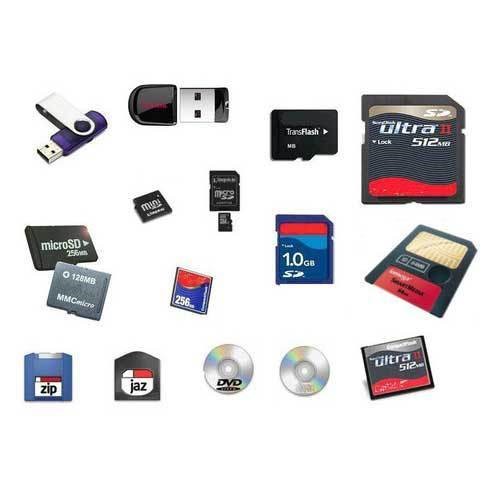
So, what is a removable media policy? Simply put, it's a set of rules and guidelines that dictate how removable storage devices – think USB drives, external hard drives, CDs, even SD cards – are used within an organization. These policies are designed to mitigate the risks associated with these portable devices. After all, those tiny USB drives can easily be lost, stolen, or infected with malware, and that can lead to serious security breaches.
Why are these policies so important? Well, consider this: Imagine an employee uses a personal, unencrypted USB drive to transfer sensitive customer data. They then lose the drive on the train. Suddenly, your company is facing potential lawsuits, reputation damage, and regulatory fines. A well-defined removable media policy helps prevent these kinds of disasters. It outlines things like:
Must Read
- Who is allowed to use removable media and under what circumstances.
- What types of data can be stored on removable media (often, sensitive data is strictly prohibited).
- How removable media should be used, including encryption requirements and scanning for malware.
- Where removable media can be used (e.g., only on company-approved devices).
These policies offer many benefits. They reduce the risk of data breaches, protect sensitive information, maintain compliance with regulations (like GDPR), and help ensure the smooth operation of your organization. They provide clarity and accountability, making everyone aware of their responsibilities when handling removable media.
Now, let's get to the fun part. Which of the following is NOT a removable media policy? Okay, I haven't given you any options yet, but think about what we've already discussed. A policy should cover use, storage, transfer, and approved methods. A removable media policy example might be requiring all USB drives to be encrypted with a specific program. A bad example would be: "All employees must wear blue shirts on Mondays." While important for morale maybe, it has absolutely nothing to do with data security or removable media! Hopefully, now you can easily distinguish a real removable media policy from something completely unrelated. So, go forth and protect your data!