Which Of The Following Is An Example Of Static Loading
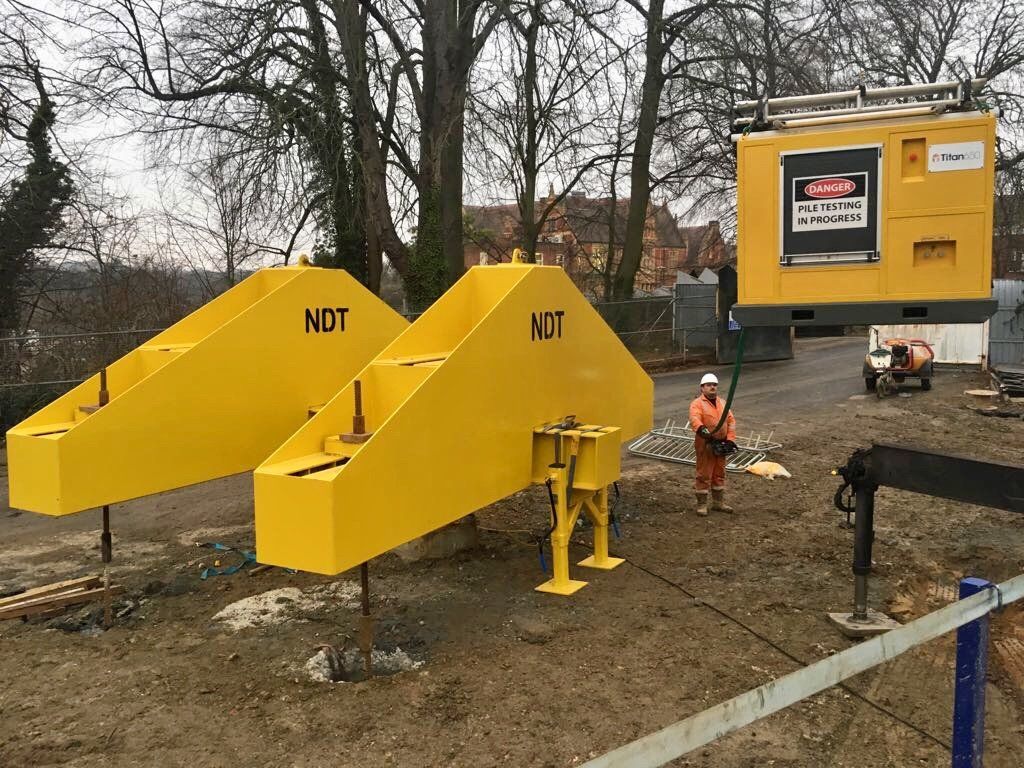
Ever wondered why some things break while others stand the test of time? A big part of that comes down to how they handle weight and pressure! Today, we're diving into a concept called static loading, and trust me, it's way more interesting than it sounds. Think of it as understanding the silent forces that shape our world, from the chairs we sit on to the bridges we cross. Knowing about static loading can be surprisingly useful, whether you're a DIY enthusiast, a parent building a fort, or just curious about how things work.
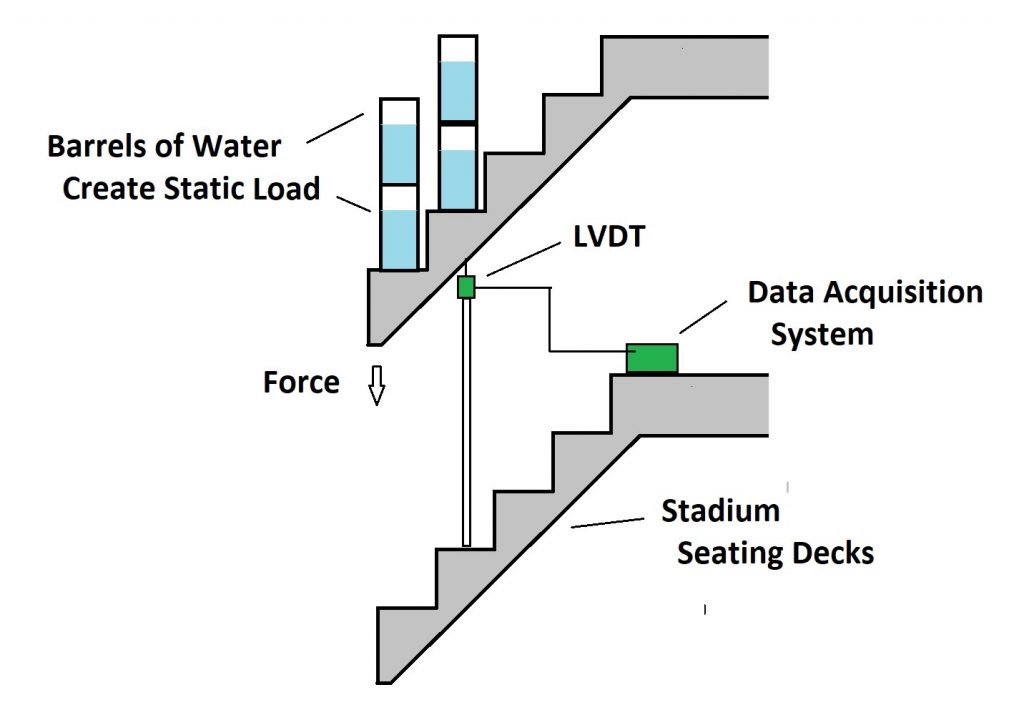
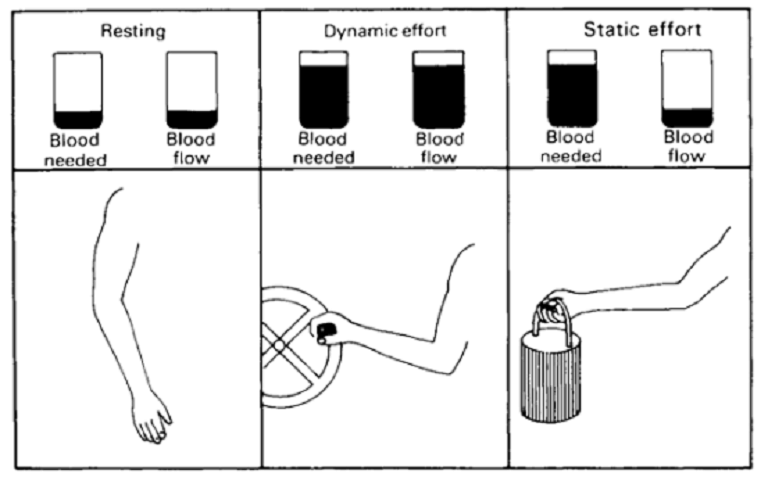
So, what exactly is static loading? Simply put, it's a constant, unchanging load applied to a structure. Unlike dynamic loading (think a sudden impact or vibration), static loading is steady and predictable. This makes it much easier to calculate and design for. But which of the following is an example of it?
Let's break it down with examples. Imagine a bookshelf filled with books. The weight of those books pressing down on the shelves is a perfect example of static loading. The weight is (relatively) constant over time. Another example is a bridge with cars parked on it. The combined weight of the stationary cars creates a static load on the bridge's structure. Similarly, the weight of a building's roof constantly pressing down on its walls is another instance of static loading.
Must Read
Now, let's think about who benefits from understanding this. For beginners, recognizing static loads helps you understand why certain building materials are used in certain situations. For families building a treehouse or a fort, it's crucial for safety! Knowing how much weight your structure can handle ensures no one gets hurt. Even hobbyists who enjoy woodworking or 3D printing can use this knowledge to create stronger and more durable projects. Understanding static loading means you can design things that are built to last.
What isn't static loading? Think about things that are constantly changing. Wind gusts on a building are dynamic loading, as is a bouncing child in a bouncy castle. These involve forces that vary significantly over time.
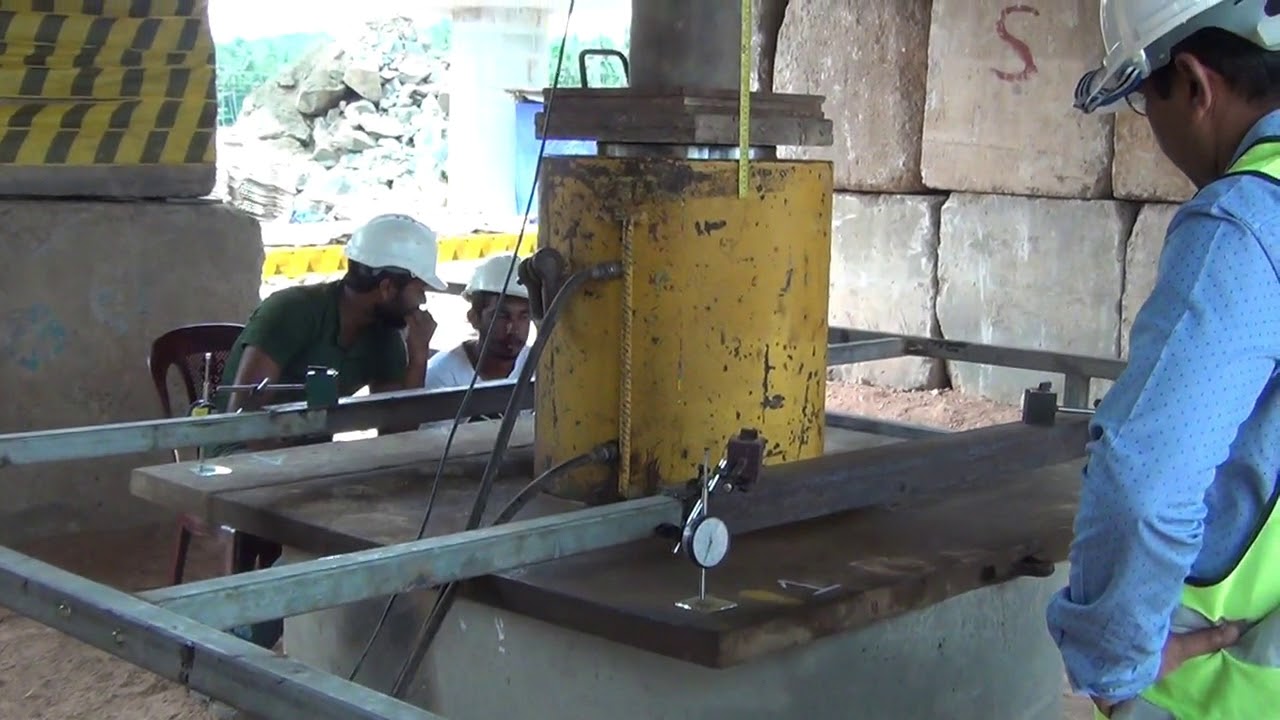
Here are a few practical tips to get you started with understanding static loads: First, observe the structures around you. Identify the constant loads they bear. Second, when planning a project, consider the weight it will need to support. Use online calculators or consult with a professional if you're unsure. Third, always err on the side of caution. It's better to over-engineer something than to risk failure.
In conclusion, understanding static loading is a practical skill that can enhance your appreciation for the world around you and empower you to create safer and more durable projects. It's not just about numbers and calculations; it's about understanding the silent forces at play and building things that last. So, go out there, observe, and start building with confidence! Learning about static loading, and its effects, could make you feel more secure in your home and the things around you, which is a valuable thing!