Which Of The Following Is A Transition Metal
Ever wondered what makes your phone buzz, your jewelry shine, or even helps your body function? The answer, in part, lies with a fascinating group of elements called transition metals! While the name might sound a bit like science jargon, understanding what they are is surprisingly useful and, dare I say, even a little bit exciting. Think of this as your cheat sheet to unlocking a small corner of the periodic table – and showing off your newfound knowledge at your next trivia night!
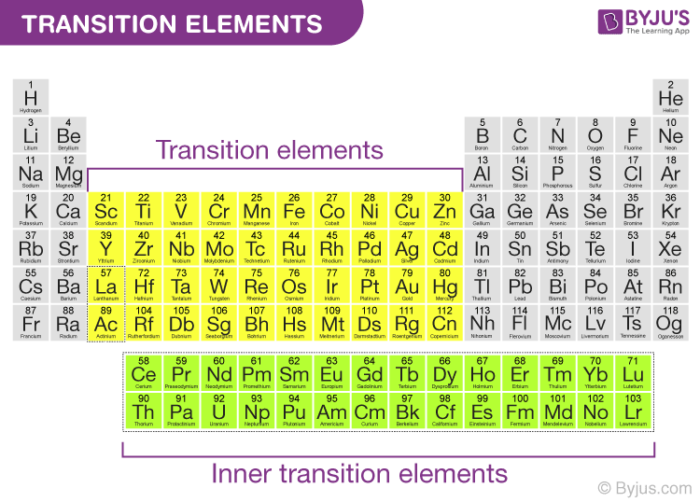
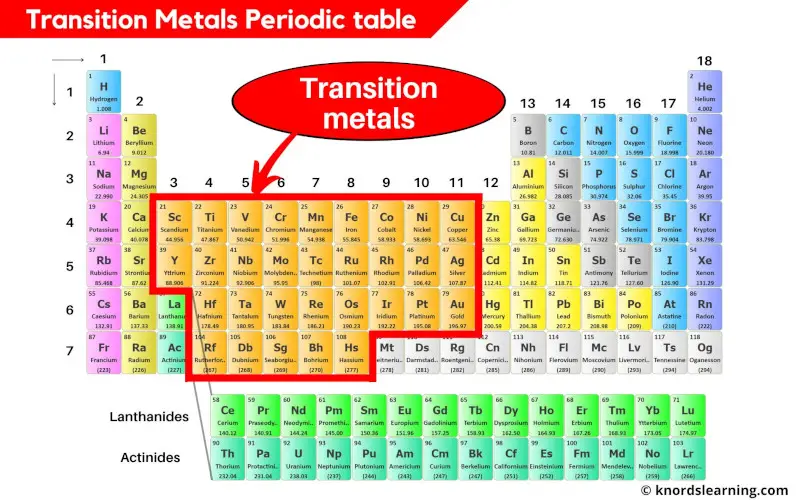
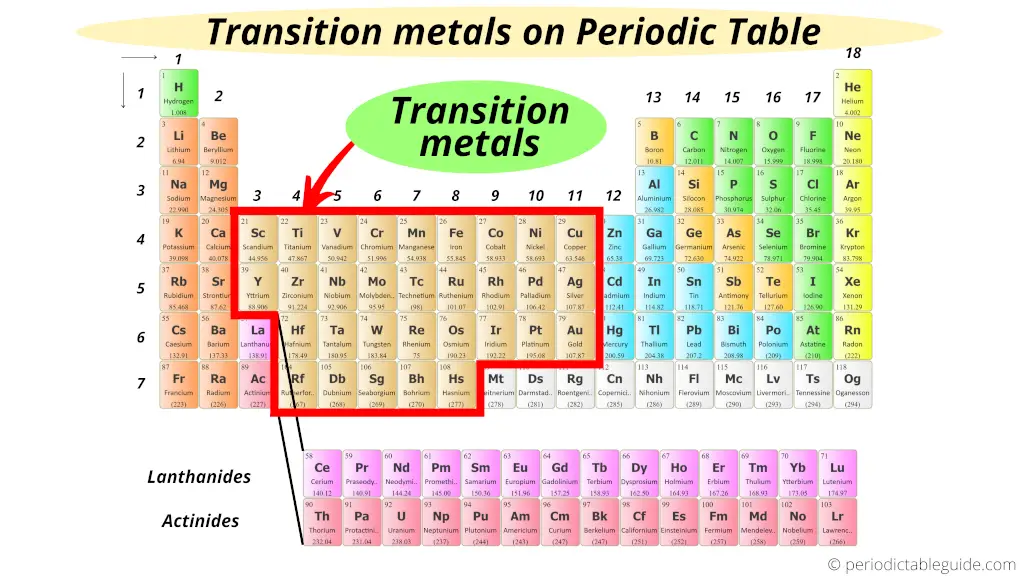
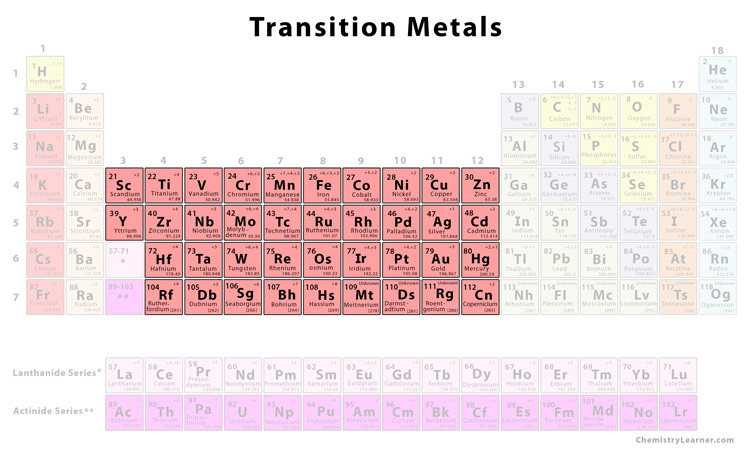
So, what exactly is a transition metal? Simply put, they're elements that occupy the central block of the periodic table, nestled between groups 2 and 13. Now, don't worry, you don't need to memorize the whole periodic table! The key characteristic that defines them is their ability to form ions with incomplete d orbitals. Think of electrons orbiting an atom in different energy levels (orbitals). Transition metals have electrons that are still “filling up” these d orbitals, which gives them some pretty unique properties.
But why should you care? Because transition metals are everywhere! Their unique properties – think high melting points, strength, and the ability to form colorful compounds – make them indispensable in countless applications. Imagine your favorite piece of jewelry. Chances are it contains gold, silver, or platinum – all classic transition metals, prized for their beauty and resistance to corrosion.
Must Read
Consider also the world of construction. Iron, a key component of steel, is a transition metal that provides the backbone for buildings, bridges, and countless other structures. Without iron, our modern world would look very different indeed!
And it doesn't stop there. Many transition metals act as catalysts, speeding up chemical reactions. This is crucial in the production of everything from plastics to pharmaceuticals. Think of them as tiny chemical matchmakers, helping ingredients combine more efficiently. Even inside your own body, transition metals like iron (in hemoglobin, carrying oxygen) and zinc (involved in numerous enzyme reactions) are essential for life itself!

So, next time you're faced with the question, "Which of the following is a transition metal?", remember the key properties: they reside in the center of the periodic table, they can form colorful compounds, and they are incredibly useful. Now you can confidently identify them and impress your friends with your scientific savvy!
In summary, understanding transition metals allows you to appreciate the elements that shape our world, from the shimmering adornments we wear to the essential processes that keep us alive. It's a fascinating glimpse into the building blocks of everything around us!