
Which Of The Following Is A Mechanical Process
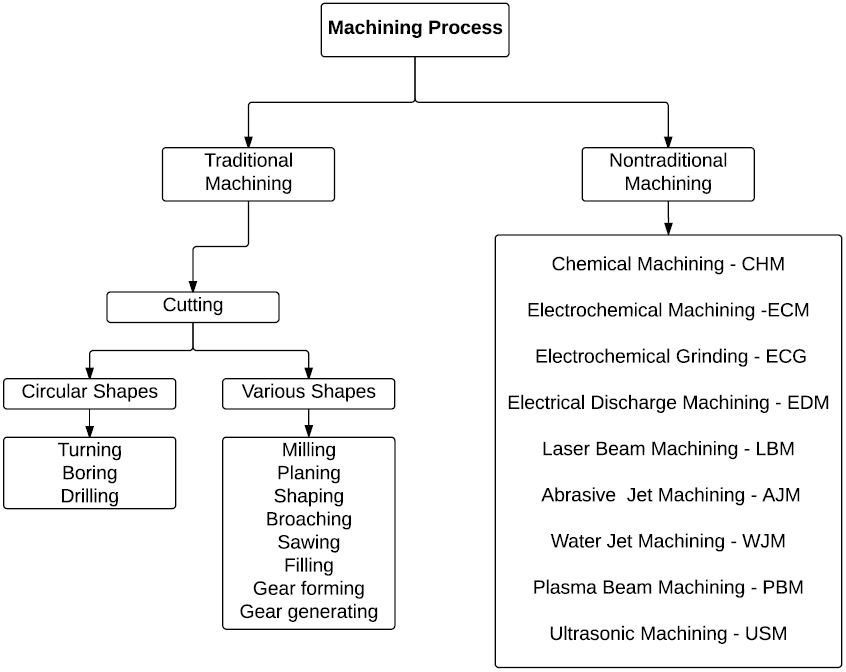
Alright, let's dive into something that might sound a bit dry at first glance, but trust me, it's woven into the fabric of our everyday lives: mechanical processes. What are they, and how do we spot them lurking in plain sight? Think of it as a detective game, but instead of solving a crime, we're uncovering the secrets of how things work. So, let's play "Which Of The Following Is A Mechanical Process?" Prepare to be surprised!
So, What Exactly Is A Mechanical Process?
Simply put, a mechanical process involves the physical manipulation of materials using force and motion to achieve a desired outcome. It's all about transforming something from one state to another through mechanical means – no magical spells involved (unless you consider engineering magic!). Think levers, gears, pulleys, and all those wonderfully intricate contraptions.
Imagine a clock. The gears turning, the pendulum swinging, the hands moving across the face – that's a miniature orchestra of mechanical processes working in harmony. Or picture a simple pair of scissors: two blades pivoting to cut paper. Mechanical. Bam! You're already getting the hang of it.
Must Read
Spotting the Culprits: Examples Galore
Let's get down to brass tacks. When presented with a list of options, how do you pinpoint the mechanical process? Here are some telltale signs to look for:
- Look for Force and Motion: Is something being pushed, pulled, twisted, or bent? That's a big clue.
- Think About Tools and Machines: Are tools or machines being used to change the shape, size, or position of something? Score!
- Consider the Output: Is the end result a physical transformation? For example, cutting, shaping, or assembling something.
Okay, now, let's imagine a few options. Which of these is a mechanical process?

- Baking a cake
- Melting ice
- Drilling a hole in wood
- Rusting of iron
The answer? Drilling a hole in wood! Why? Because it involves applying force and motion (the drill bit spinning and pushing into the wood) to physically change the shape of the wood. Baking a cake involves chemical reactions; melting ice is a phase transition; and rusting of iron is also a chemical reaction. See how it works?
Let's try another one.
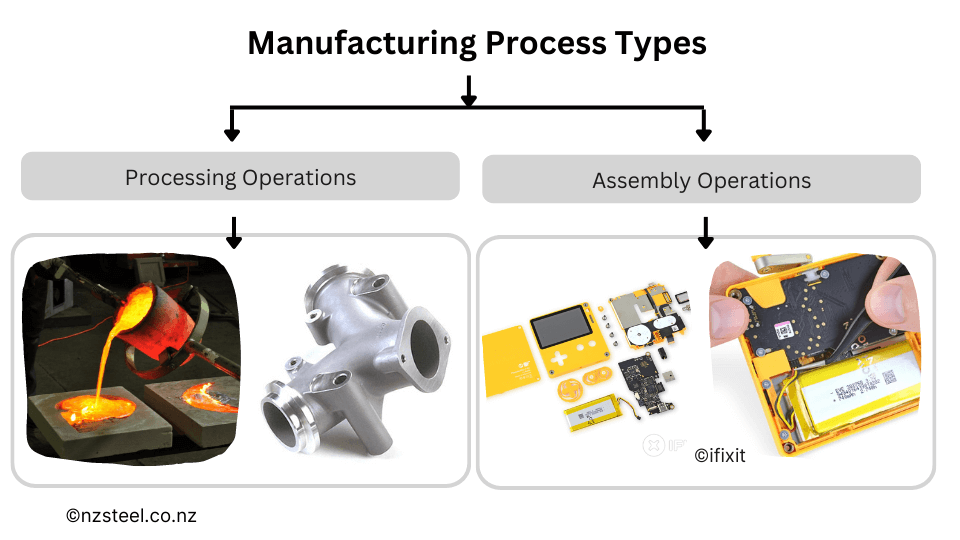
- Photosynthesis
- Sawing lumber
- Fermentation
- Dissolving sugar in water
The answer is Sawing Lumber! The other examples are either biological processes (photosynthesis, fermentation) or chemical processes(dissolving). Think of Ron Swanson, and that's mechanical!
Mechanical Processes in Pop Culture (Because Everything's Connected!)
Mechanical processes aren't just confined to workshops and factories. They pop up in movies, books, and even video games! Think of the elaborate Rube Goldberg machines from classic cartoons – exaggerated examples, sure, but they perfectly illustrate the chain reactions and interconnectedness of mechanical processes. Remember the opening sequence of "Pee-wee's Big Adventure"? Pure mechanical genius!

Or how about the intricate clockwork mechanisms in steampunk novels? These fictional devices often rely on complex systems of gears, levers, and springs to power fantastical inventions. Even something as simple as using a can opener is a mechanical process that we take for granted every day!
Practical Tip: Observe and Appreciate!
Next time you're fixing something around the house or tinkering with a gadget, take a moment to appreciate the underlying mechanical processes at play. Understanding how things work can empower you to troubleshoot problems, build your own creations, and gain a deeper appreciation for the ingenuity of engineering.
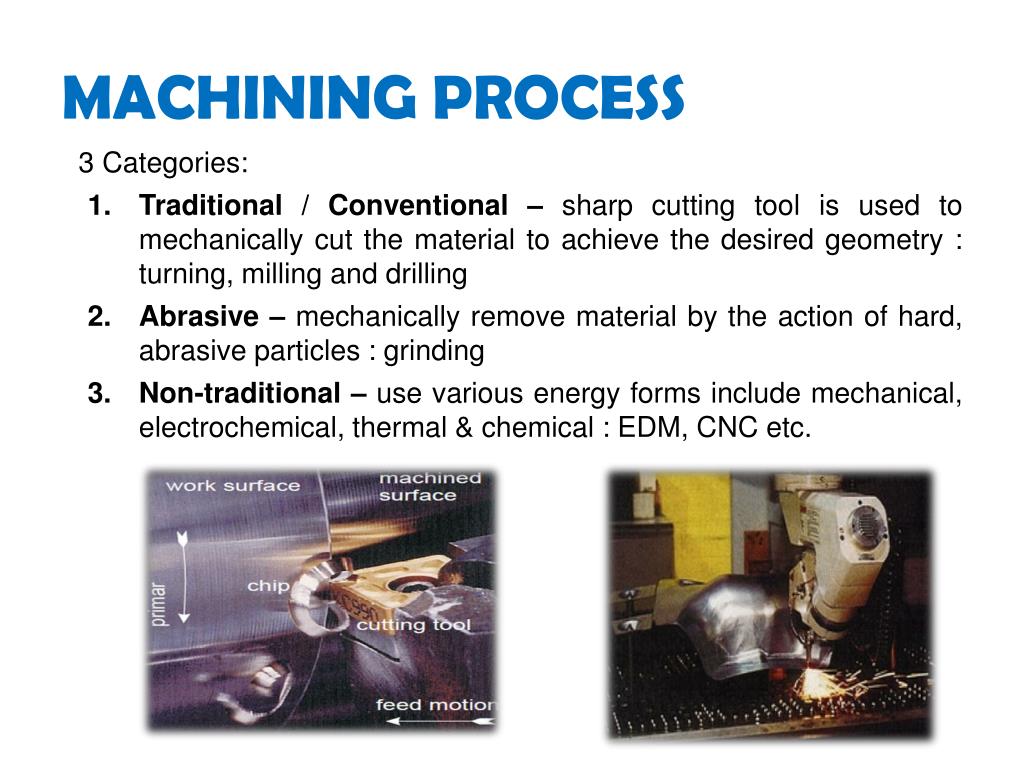
Bonus Fact: The Antikythera mechanism, discovered in a shipwreck off the Greek island of Antikythera, is considered the world's oldest known analog computer. Dating back to the 2nd century BC, this incredibly complex device was used to predict astronomical positions and eclipses. It's a mind-blowing example of early mechanical engineering!
Bringing It All Home: The Everyday Magic of Mechanical Processes
So, why does any of this matter? Because understanding mechanical processes helps us understand the world around us. It allows us to appreciate the ingenuity and effort that goes into creating the objects we use every day. From the simplest lever to the most complex machine, mechanical processes are the foundation of countless technologies and innovations.
Ultimately, recognizing mechanical processes is about cultivating a sense of curiosity and wonder. It's about appreciating the intricate dance of force and motion that shapes our physical reality. So, go forth, observe, and marvel at the mechanical processes that power our world!