
Which Of The Following Does Total Utility Refer To
Ever wonder why you choose that extra slice of pizza, or why you just had to buy that new gadget, even though you probably didn't need it? We're diving into the fun world of utility, specifically total utility. It's a fancy economics term, but trust me, it's super relatable. Understanding it helps us grasp why we make the choices we do, from simple everyday decisions to bigger financial ones.
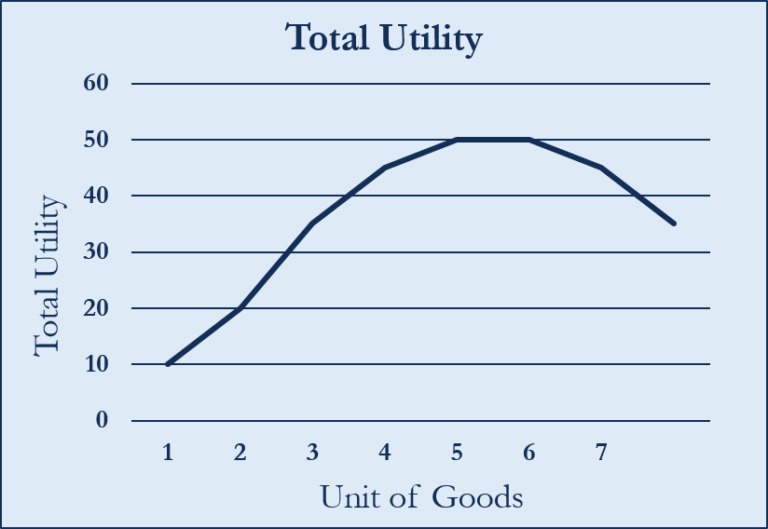
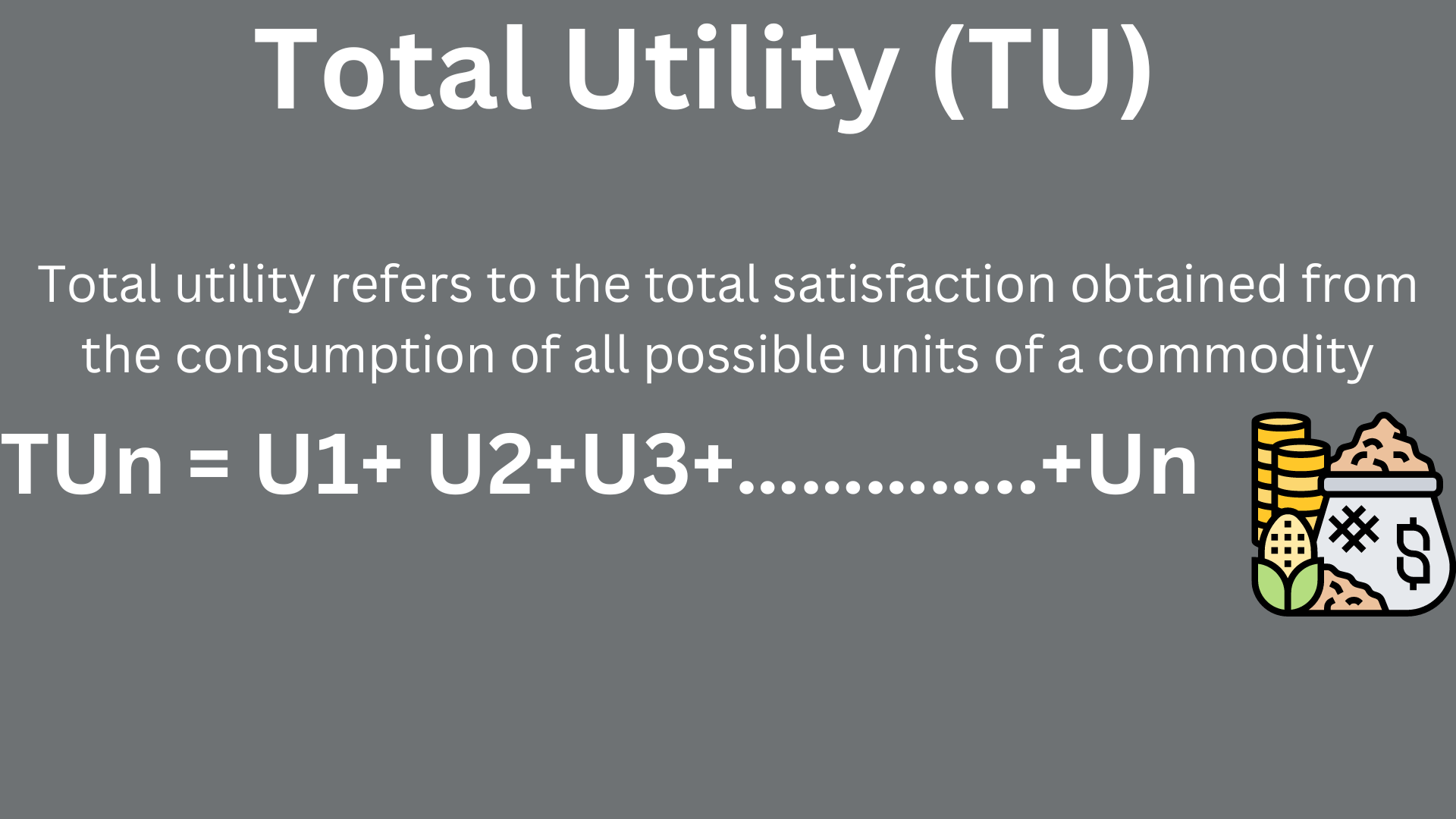
So, what exactly does total utility refer to? Simply put, it's the total satisfaction you get from consuming a certain amount of something. Think of it like this: you're incredibly hungry, and you eat one slice of pizza. That first slice gives you a lot of satisfaction – your hunger pangs are gone! That's utility at work. Total utility is the sum of the satisfaction you get from all the slices you eat. It's not just about liking the pizza; it's about how much pleasure each slice contributes to your overall happiness.
For Beginners: Imagine you're collecting stamps. The first few stamps you get are incredibly exciting, right? They build the foundation of your collection. Each new stamp adds to your total joy and sense of accomplishment. That's increasing total utility! But as your collection grows, the excitement from each additional stamp might diminish slightly. You're still happy to get them, but the initial thrill isn't quite as intense.
Must Read
For Families: Planning a vacation? Think about total utility! The first few days of relaxation and fun are probably amazing. Everyone is excited, rested, and enjoying quality time together. But as the vacation goes on, maybe the kids start getting restless, or the constant togetherness becomes a little much. The added utility of each extra day might decrease, even though you're still enjoying the vacation overall. This helps families decide on the ideal vacation length to maximize everyone's enjoyment.
For Hobbyists: Are you a knitter? The first few rows of a new project might be tedious as you're getting the hang of the pattern. But as you progress and see your creation taking shape, the utility increases. Each row adds more satisfaction and gets you closer to the finished product, resulting in a high total utility at the end!
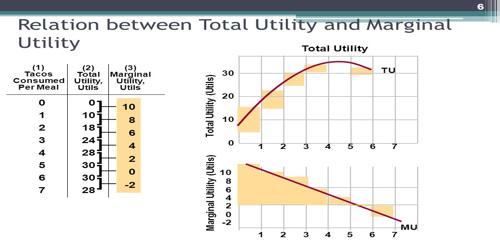
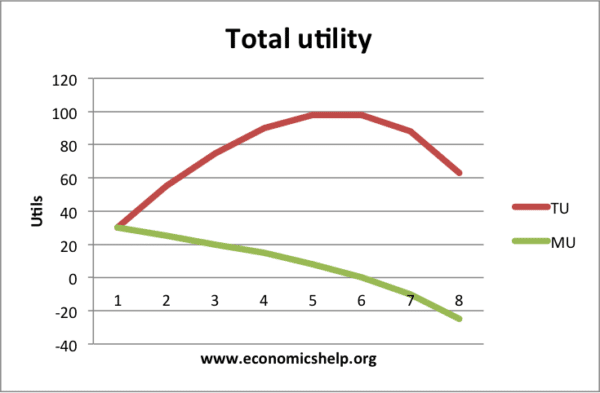
Let's look at some examples. Imagine eating chocolate. The first chocolate bar might be pure bliss. The second is still good, but maybe not quite as amazing. The third… well, you might start feeling a little sick! That's a clear demonstration of how each additional unit affects your total utility. Another example is watching movies. Watching one great movie might be incredibly enjoyable. Watching a second, equally good movie right after might still be fun. But watching five movies back-to-back? You might be burnt out and the total utility you receive starts to decrease because the added utility isn’t as great as it was for the first movie.
Simple Tips to Get Started: Start paying attention to your own choices! Ask yourself why you choose certain things over others. Think about the satisfaction you get from different activities and try to quantify it, even if it's just a feeling. Understanding your own preferences and what brings you joy is the first step to understanding your personal utility function.
The beauty of understanding total utility is that it helps you make more informed decisions. It's about finding the sweet spot where you maximize your satisfaction without going overboard. So, next time you're faced with a choice, take a moment to think about the total utility you'll derive. You might be surprised at what you discover!
:max_bytes(150000):strip_icc()/totalutility.asp-final-ec9c0b0ff3314f4cbd98b46a654e66ce.png)