
Which Of The Following Bacteria Cause Spoilage Of Food
Hey there, food enthusiast! Ever open your fridge, excited for that leftover pizza, only to be greeted by... something less appetizing? We've all been there. Food spoilage is a bummer, a total party pooper for our taste buds. But have you ever stopped to wonder who the culprits are behind this culinary crime?
Well, buckle up, because we're about to dive into the microscopic world of food spoilage and meet some of the key players – the bacteria that turn our delicious delights into... well, something less delightful. And trust me, understanding this stuff isn't just about avoiding funky smells in your fridge; it's about becoming a kitchen superhero, maximizing freshness, and minimizing waste! It's about having FUN with food!
The Usual Suspects: Bacteria on the Case!
Okay, so which bacteria are the biggest offenders when it comes to food spoilage? Let's break it down. (And don't worry, we won't get too science-y. Think of it as a friendly introduction, not a lecture!). These little guys, while often unseen, have a profound impact on our daily lives. I think we should know a little something about them.
Must Read
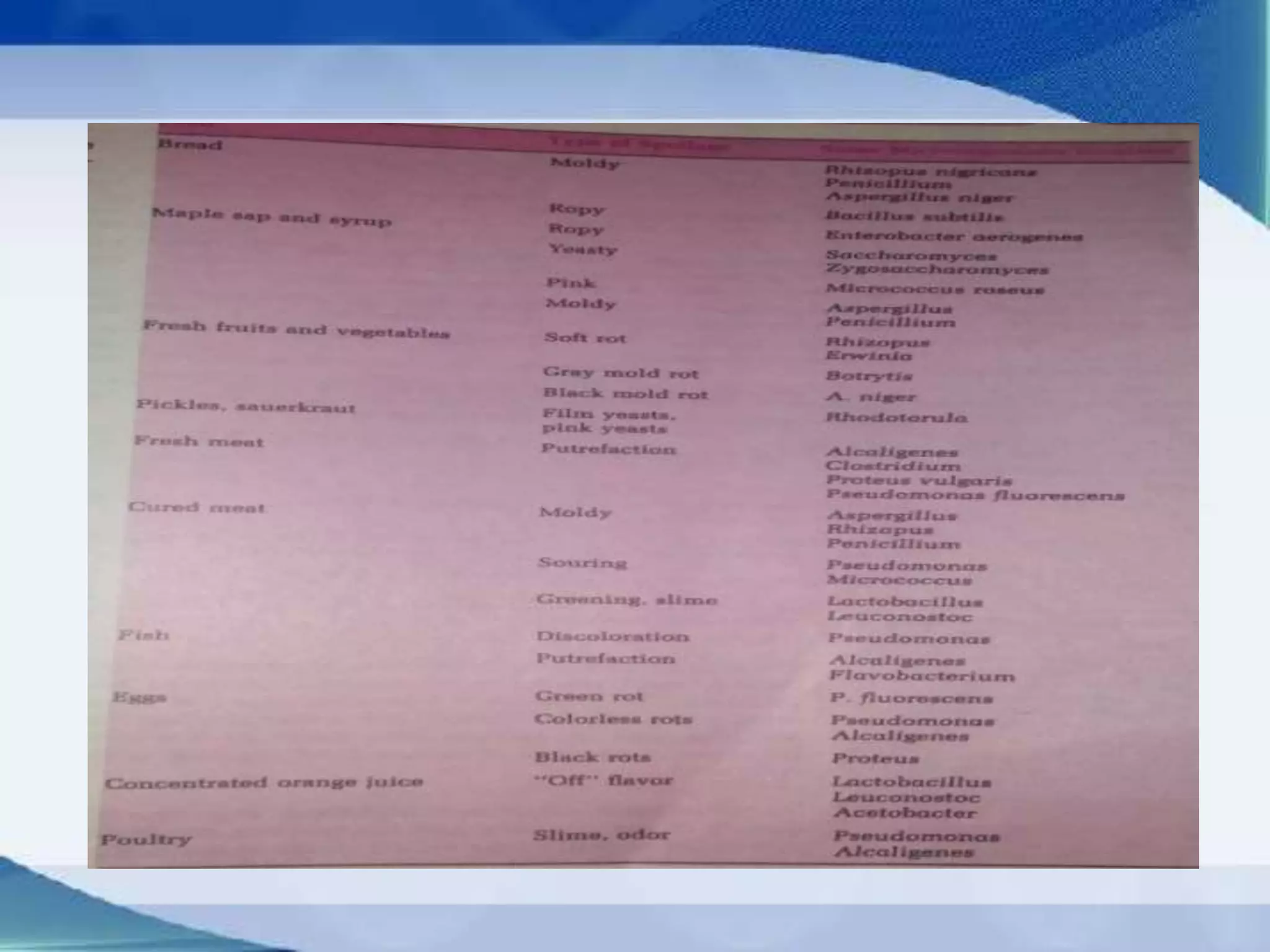
First up, we have the ever-present Pseudomonas. Think of them as the "early risers" of food spoilage. They thrive in cool environments, which is why they're often found on refrigerated foods. They can break down proteins and fats, leading to slimy textures and off-odors. If your meat or poultry feels a bit…slimy…you've probably met Pseudomonas. (Ew, right? But knowledge is power!). These fellas are not generally considered disease-causing, however, in most cases.
Next, let's talk about Lactobacillus. Now, Lactobacillus isn't always bad. In fact, it's used to make yogurt, cheese, and sauerkraut! Yay! But in the wrong context (like, say, in your milk carton), it can cause souring and fermentation. It turns lactose (milk sugar) into lactic acid, giving that sour taste. It's like, "Hey, I'm here to help...sort of...unless you don't want yogurt!"
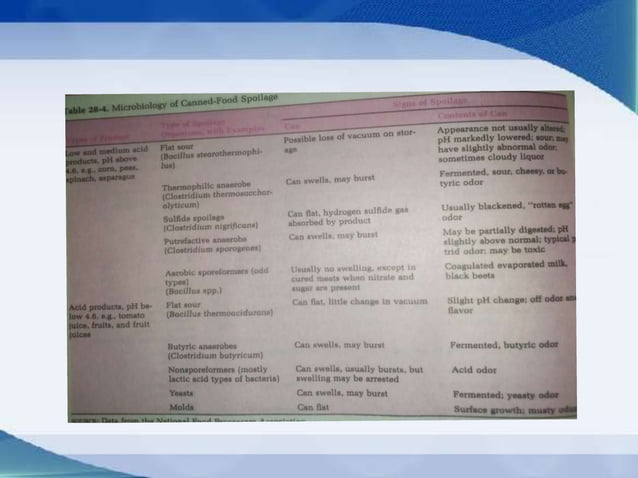
Then we have Bacillus. These guys are a bit more hardcore because some species can form spores that are resistant to heat. This means they can survive cooking and refrigeration and then, when conditions are right, germinate and cause spoilage. Bacillus species often cause problems with cooked rice and starchy foods (making them slimy or causing off-flavors). Keep that rice properly stored to prevent Bacillus spoilage!
Oh, and let's not forget the Enterobacter family! These bacteria love sugary environments, so they are often found in fruits and vegetables, causing soft spots and discoloration. Think of them as the fruit bandits of the microbial world.
Why Does This Matter? (Besides Avoiding Slimy Meat!)
So, why should you even care about all these microscopic food spoilers? Well, for starters, understanding how these bacteria work helps you store food properly. Knowing that Pseudomonas thrives in cool temperatures encourages you to keep your fridge cold. Knowing that Bacillus can survive cooking means you should cool and refrigerate leftovers quickly. It's all about being proactive!
Plus, understanding spoilage can help you reduce food waste. By knowing when food is actually spoiled (not just past its "best by" date!), you can avoid throwing away perfectly good food. That's good for your wallet and good for the planet! Win-win!
And most importantly, understanding spoilage can help you stay healthy. While many spoilage bacteria aren't harmful, some can produce toxins that can make you sick. Knowing the signs of spoilage helps you avoid potentially dangerous food. No one wants a foodborne illness ruining their weekend!
Remember: Spoilage bacteria are different from pathogenic (disease-causing) bacteria, although sometimes they overlap. Generally, spoilage bacteria will make food taste or smell bad, acting as a warning. It's always best to err on the side of caution: “When in doubt, throw it out!”
Making Food Safety Fun!
Learning about food spoilage doesn't have to be a chore. In fact, it can be downright fascinating! Think of it as becoming a food detective, solving the mysteries of the fridge and pantry. Challenge yourself to identify signs of spoilage. Experiment with different storage methods to see what works best. Share your newfound knowledge with friends and family. It's all about empowering yourself and others to make informed choices about food!
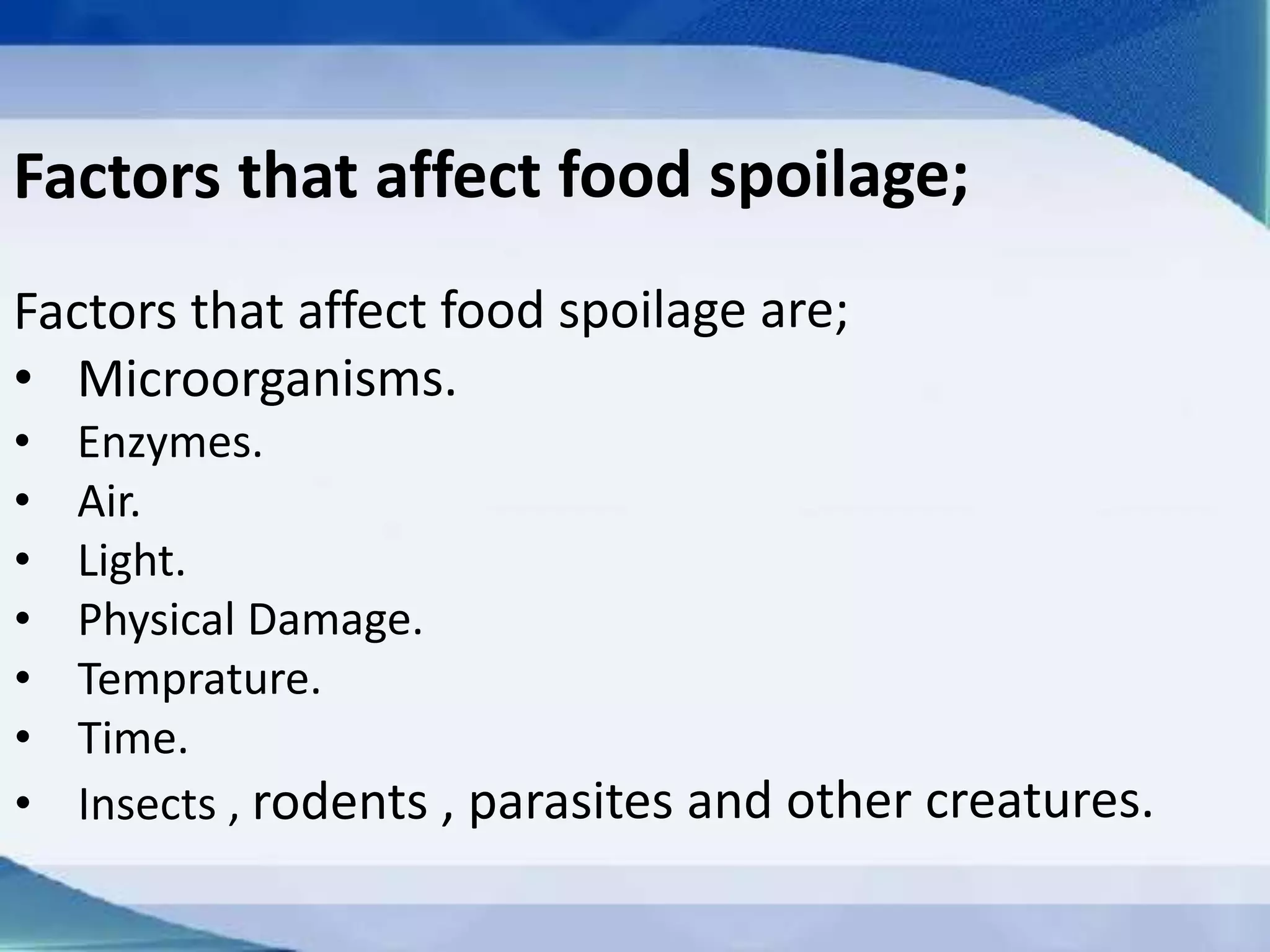
I’m telling you, a bit of knowledge about these microscopic movers and shakers can really change your relationship with food.
Ready to Learn More?
This is just the tip of the iceberg (or, should I say, the top layer of the petri dish?). There's a whole world of food microbiology out there waiting to be explored. So, go forth, food adventurer! Read articles, watch documentaries, take a class! The more you learn, the more confident and empowered you'll be in the kitchen.
And who knows? Maybe you'll even develop a newfound appreciation for the amazing science that keeps our food safe and delicious. Happy cooking (and safe eating!). This is an invitation to delve deeper and discover more. You are awesome.