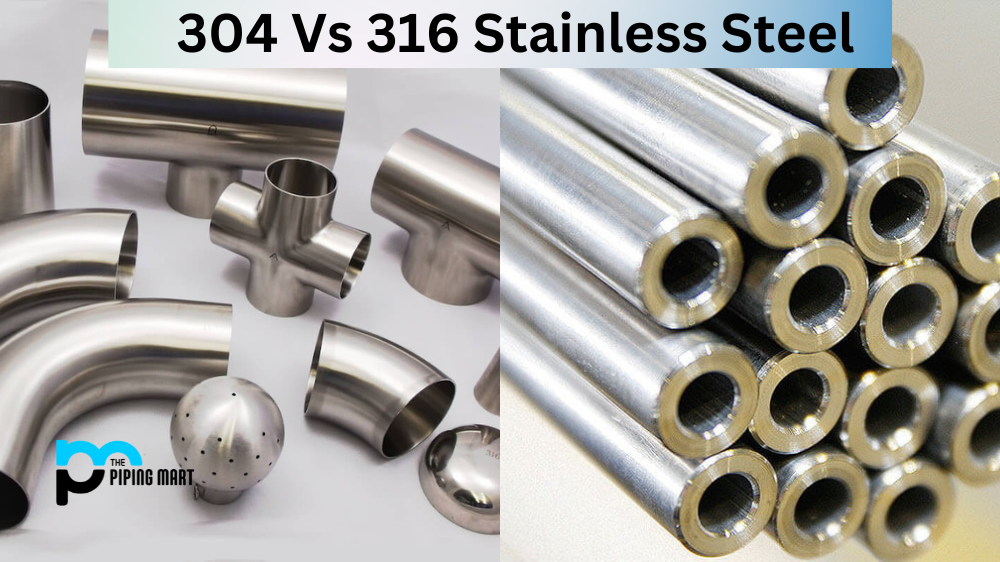
Which Is Stronger 304 Or 316 Stainless Steel

Stainless steel. Just the name conjures images of sleek skyscrapers, gleaming kitchen appliances, and maybe even a DeLorean soaring through time. But did you know it's also a surprisingly accessible material for artists, hobbyists, and anyone who loves a little DIY? And when you delve into the world of stainless steel, you quickly encounter two heavy hitters: 304 and 316. Which one reigns supreme? Let's find out!
For artists and makers, the allure of stainless steel lies in its durability and versatility. It's a material that can withstand the elements, resists corrosion, and maintains its shine with minimal upkeep. Imagine crafting outdoor sculptures that weather any storm, creating stunning jewelry that won't tarnish, or building intricate models that will last for generations. Knowing which grade to choose can make all the difference. For casual learners, understanding the nuances between 304 and 316 is like unlocking a secret code to material science – impressive at parties, and genuinely useful!
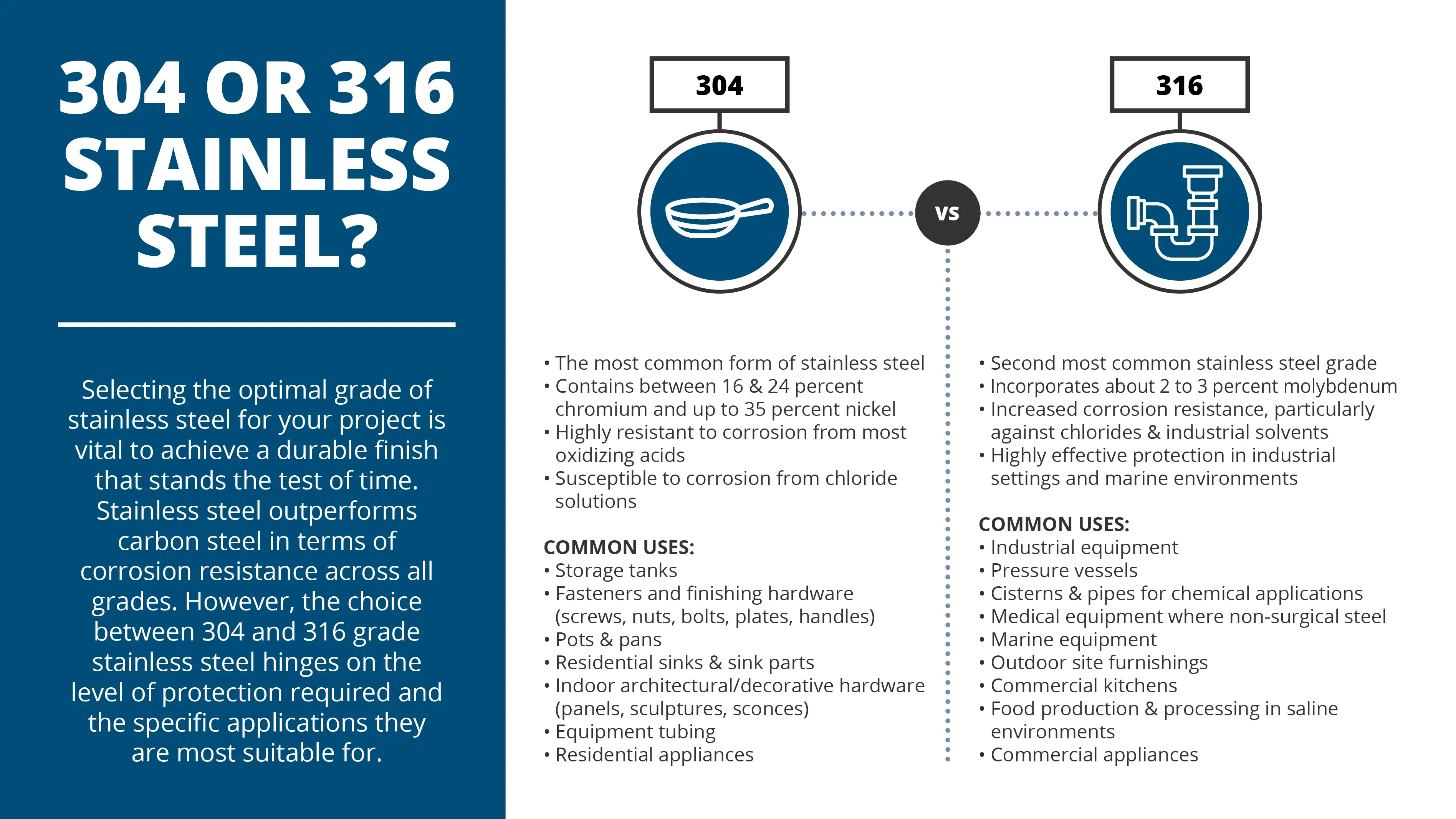
So, which is stronger? In terms of pure tensile and yield strength, 304 and 316 are actually quite similar. However, the real difference lies in their corrosion resistance. 316 stainless steel contains molybdenum, which significantly enhances its ability to withstand chlorides, like those found in saltwater or de-icing salts. This makes 316 the champion for marine applications, chemical processing, and even some medical implants. Think of it this way: If your project is likely to be exposed to salty environments or harsh chemicals, 316 is your best bet. Otherwise, 304, which is more readily available and often more affordable, is a fantastic choice.
Must Read
Examples abound! Consider a sculptor creating a wind chime. If it's destined for a coastal home, 316 is essential to prevent rust and pitting. A hobbyist building a small robot that might encounter spills in a workshop might opt for the easier-to-work-with 304. Jewelers often use both, with 304 for more general pieces and 316 for items like body piercings due to its superior biocompatibility. Even the style of art can influence the choice. A brutalist sculpture with rough edges might look striking in slightly weathered 304, while a sleek, modern design might demand the enduring polish of 316.
Feeling inspired? You don't need a fancy workshop to experiment with stainless steel. Here are a few tips for trying it at home: Start with small projects like creating simple stencils or decorative magnets. You can purchase small sheets of stainless steel online or from metal supply stores. Use appropriate safety gear, including eye protection and gloves, when cutting or grinding. Sanding and polishing will bring out the characteristic shine. For more complex projects, consider learning basic welding techniques. Even a simple spot welder can open up a world of possibilities!
Ultimately, working with stainless steel is enjoyable because it offers a sense of permanence and accomplishment. You're creating something that's not only beautiful but also built to last. Whether you're crafting a delicate piece of jewelry or a robust outdoor sculpture, the act of shaping and transforming this resilient material is incredibly rewarding. So, embrace the challenge, experiment with different techniques, and discover the joy of working with stainless steel – whether it's 304 or 316!