
Which Is Harder Brass Or Bronze
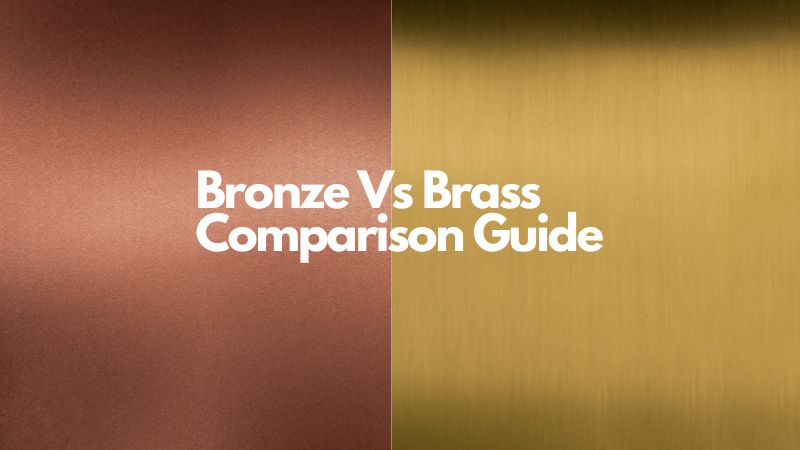
The Great Metal Mystery: Brass vs. Bronze!
Have you ever looked at a gleaming trumpet or a majestic statue and wondered about the metal beneath the shine? We often encounter beautiful objects crafted from what seems like the same golden-brown material.
However, what many people don't realize is that these objects might be made from two distinct metals: Brass or Bronze. They look similar, sure, but they each have a fascinating story to tell.
Today, we're diving into a friendly, sparkly debate. It’s a question that has quietly been pondered by artists, musicians, and even plumbers for centuries. Which one of these metallic cousins is tougher? Which is harder?
Must Read
Meet Brass: The Jazzy Performer
Imagine a metal with a bright, cheerful personality, always ready to shine. That's Brass for you! It's the life of the party, bringing warmth and a golden glow wherever it goes.
You’ve probably seen Brass in action in musical instruments, like trumpets and trombones, where its unique acoustics create beautiful, vibrant sounds. It also pops up in door handles, decorative fittings, and even fancy plumbing fixtures.
What gives Brass its distinctive character? It's primarily an alloy, a mix of two metals: copper and zinc. The zinc is like a magic ingredient that helps give Brass its lovely golden color and makes it easy to work with.
Because it's so malleable and easy to shape, artists and craftspeople adore working with Brass. You can bend it, hammer it, and polish it into intricate designs without too much fuss.
"Brass is like that friend who always brightens the room with a cheerful shine and a smooth melody."
Its ease of manufacturing means it’s a favorite for objects requiring precision and smooth finishes. From antique lamps to modern light fixtures, Brass brings an undeniable elegance.

It’s also surprisingly resistant to tarnishing compared to pure copper, holding onto its sparkle longer. This makes it a practical choice for items we interact with daily.
And Here Comes Bronze: The Quiet Protector
Now, let's turn our attention to Bronze. If Brass is the jazzy performer, then Bronze is the wise, ancient guardian. It carries the weight of history on its shoulders, having been around for thousands of years.
Indeed, there was an entire period of human history named after it: the Bronze Age! That’s how significant this metal was, shaping civilizations with its strength and utility.
You'll often find Bronze standing tall in impressive statues, like the iconic "Fearless Girl" in New York City or countless historical monuments. Its robust nature makes it perfect for enduring the elements and standing the test of time.
What is Bronze made of? It’s also an alloy, mostly copper, but its secret ingredient is usually tin. This tin infusion is what gives Bronze its formidable strength and durability.
Beyond statues, Bronze has been used for bells, tools, weapons, and ship propellers. Its resistance to corrosion, especially in saltwater, makes it invaluable for marine applications.

"Bronze carries the weight of history with a dignified strength, a true workhorse from the ages."
The deep, resonant sound of a grand church bell is often attributed to the unique properties of Bronze. Its ability to create such lasting and profound sounds is truly magical.
While Bronze might not have the bright, flashy glow of Brass, it possesses a deeper, richer patina that develops beautifully with age. It often takes on a dark, earthy tone that speaks of enduring legacy.
The Ultimate Showdown: Which One Flexes Harder?
So, we've met our contenders: the bright, adaptable Brass and the strong, historical Bronze. Both are incredible alloys, but when it comes down to a direct comparison of "hardness," who takes the crown?
It’s a question that might seem simple, but like many things in the world of materials, it has a fun twist. We often think of "hard" as meaning unbendable or unbreakable, but in metallurgy, it refers to resistance to scratching, indentation, and abrasion.
Picture a gentle tap versus a forceful blow. Which metal would stand up better to the wear and tear of daily life, or even the passage of centuries?
Many people might guess that the newer-feeling, shinier Brass would be harder, but that's where the surprising truth comes out. Prepare for the big reveal!
The Big Reveal: And the Winner Is...
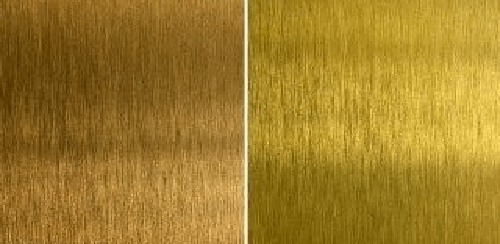
Drumroll, please! In most common forms, Bronze is generally harder and more durable than Brass. Yes, that ancient, dignified metal often has a bit more muscle!
The reason lies in those subtle but important differences in their secret ingredients. Remember how Brass uses zinc and Bronze uses tin?
Tin, when mixed with copper to form Bronze, creates a much stronger, more rigid structure. It makes the metal less malleable and more resistant to deformation. Zinc, on the other hand, makes Brass more ductile and easier to shape, but also a little softer.
This means that Bronze is better at resisting dents and scratches. It stands up to heavy loads and harsh conditions with more resilience. That's why it's perfect for things that need to last, like statues or ship parts.
"It turns out that the wise, ancient Bronze often has a bit more muscle than its gleaming younger cousin."
Of course, it's not always a black and white answer. There are many different types of Brass and Bronze, each with slightly varying percentages of their constituent metals and sometimes even other elements added to tweak their properties.
Some specialized forms of Brass can be quite strong, and some types of Bronze might be less hard than others. But as a general rule, if you're looking for toughness and resistance to wear, Bronze usually has the edge.
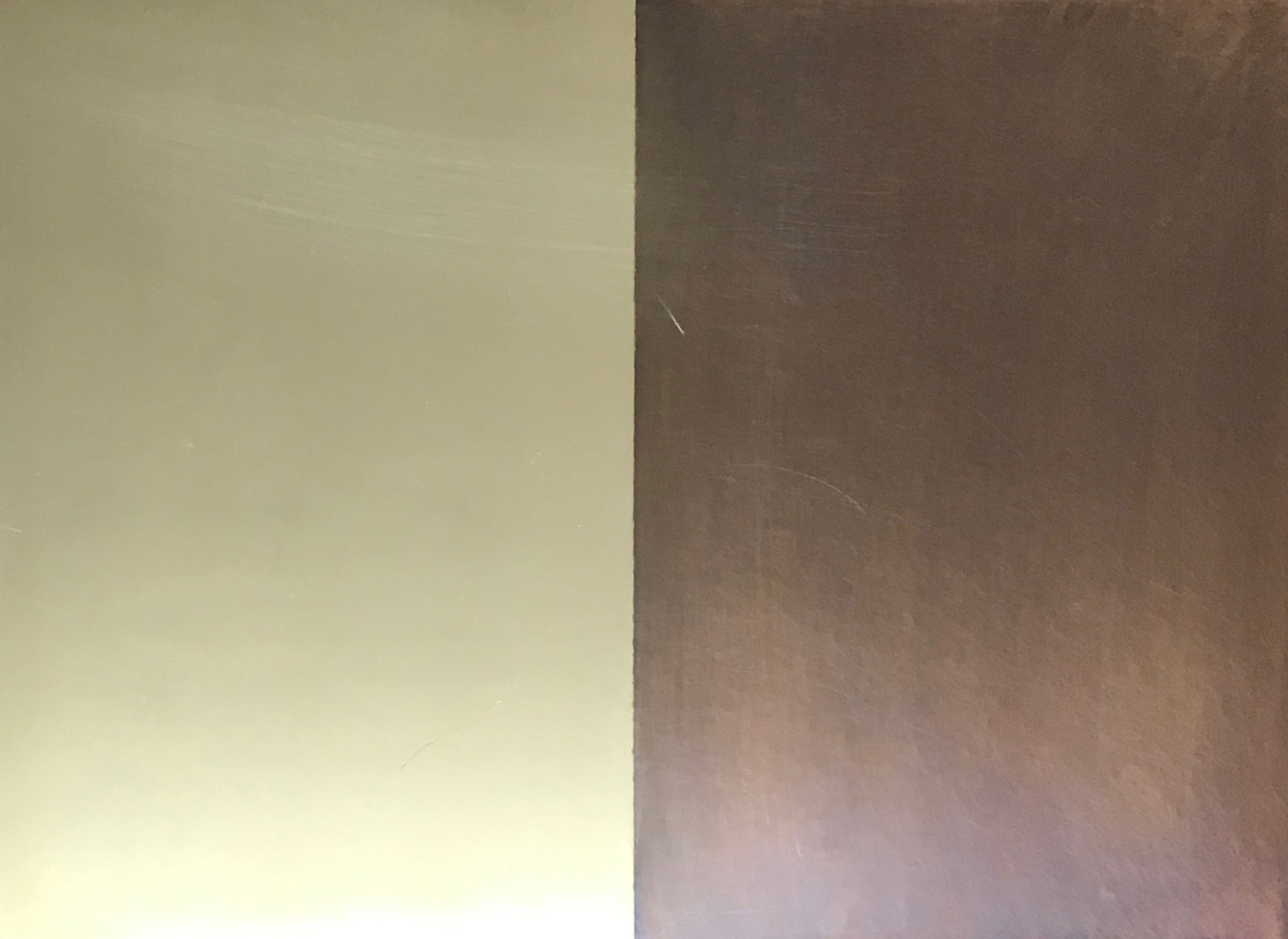
Beyond Hardness: Why We Love Them Both
So, while Bronze might take the crown for sheer hardness, that doesn't make Brass any less magnificent. Each metal has its unique strengths and beauty, contributing to our world in invaluable ways.
Brass, with its workability and beautiful sound, continues to fill our lives with music and elegant decor. Its welcoming glow brightens countless homes and public spaces.
Bronze, with its enduring strength and historical legacy, provides us with lasting art, tools, and a tangible connection to our past. It whispers stories of ancient civilizations and grand achievements.
The surprising truth that the older, more traditional metal often proves to be the tougher one just adds another layer to their fascinating stories. It reminds us that sometimes, the wisdom of the ages holds the greatest strength.
"Whether it's the bright spark of Brass or the enduring legacy of Bronze, both metals tell a fascinating story."
Next time you see a shining trumpet or a stoic statue, you'll know a little more about the incredible materials that bring them to life. You can appreciate not just their beauty, but their unique chemical personalities.
It’s a fun perspective, isn't it? To see a common metal not just as a material, but as a character with its own traits and history. Both Brass and Bronze are truly precious parts of our human journey.