
Which Is An Advantage To Using Nonrenewable Resources
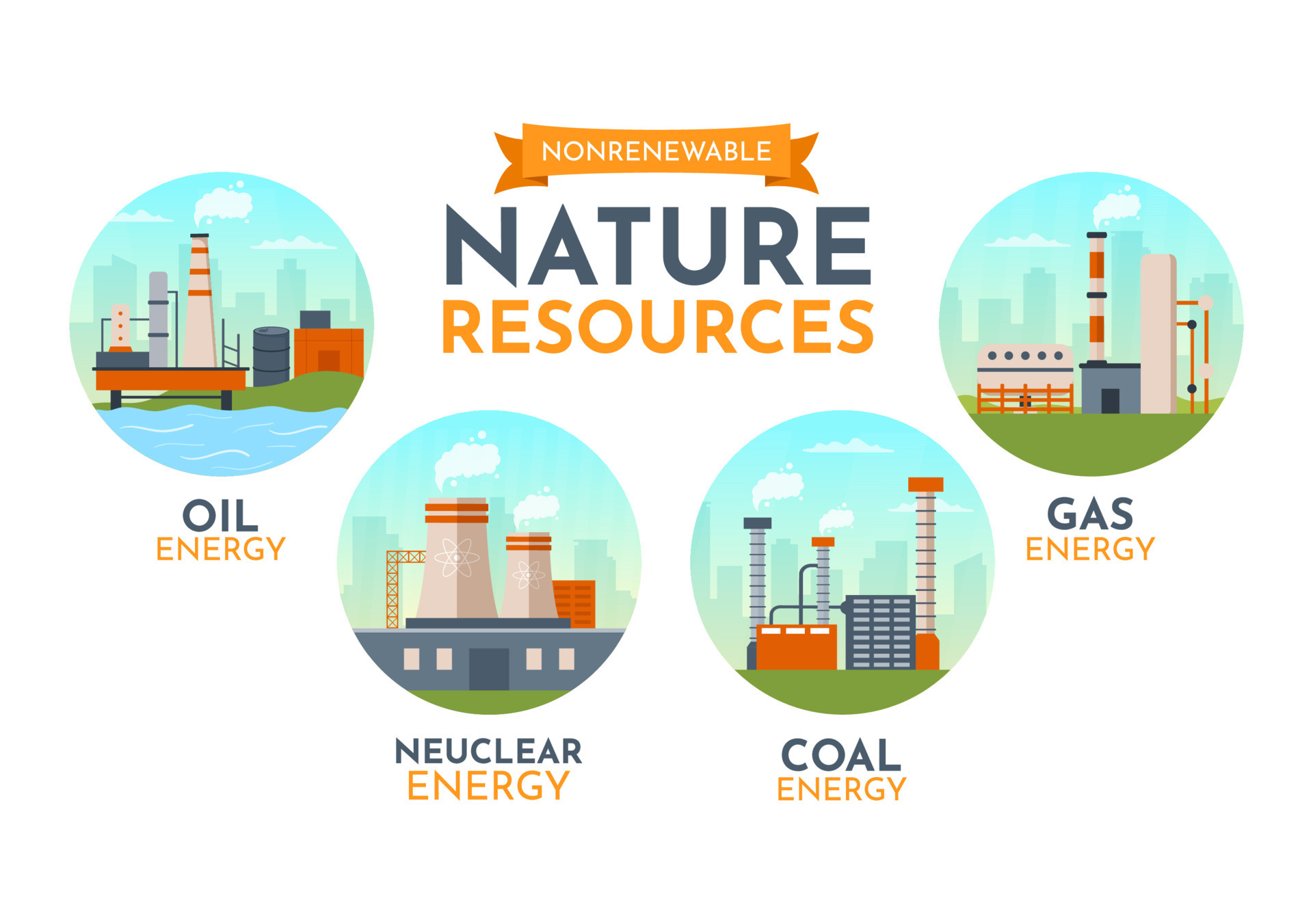
Okay, okay, I know what you're thinking. "Nonrenewable resources? Advantage? Are you serious?!" And I get it. We're constantly bombarded with messages about going green, saving the planet, and embracing renewable energy sources. And that's all fantastic! But let's be real for a hot minute and acknowledge that nonrenewable resources aren't the mustache-twirling villains they're sometimes made out to be. They have, dare I say, some advantages! Let's dive in, shall we?
The "Ready When You Are" Factor
Imagine you're planning the ultimate surprise birthday party for your bestie. Balloons, cake, a karaoke machine shaped like a unicorn – the works! But then, disaster strikes! The solar-powered karaoke machine won't charge because it's cloudy. The wind turbines powering the disco lights are on strike due to a lack of breeze. Now, your party's about as exciting as watching paint dry. This is where nonrenewable resources swoop in like a superhero in a slightly dusty cape!
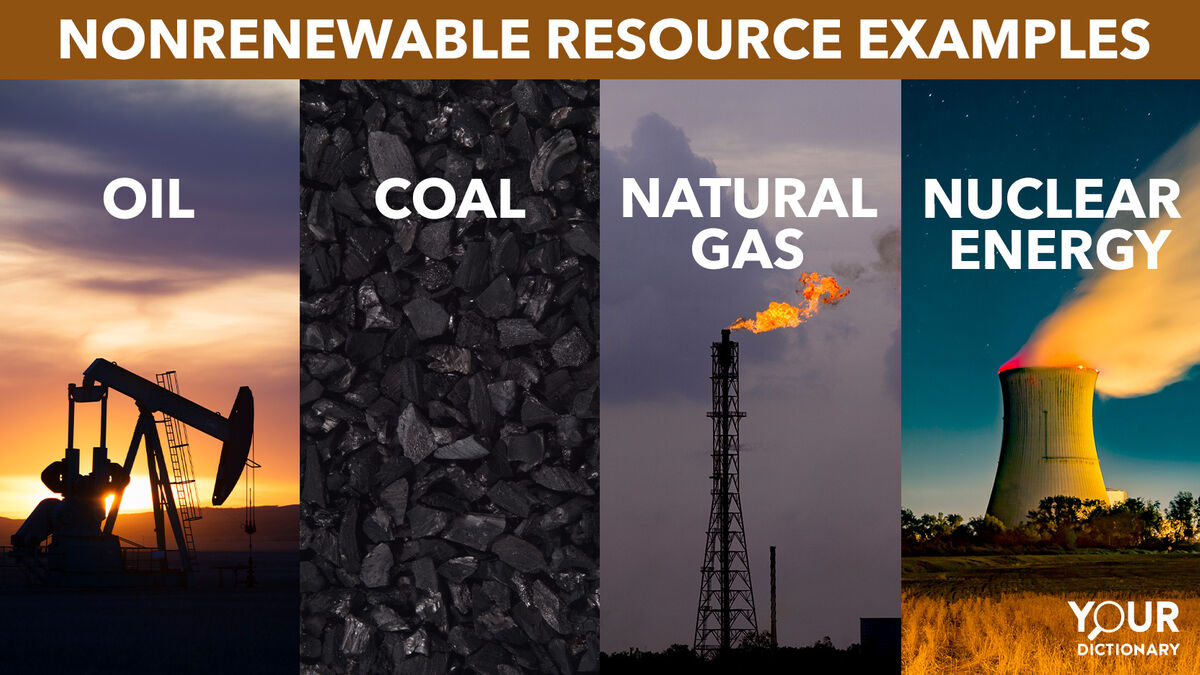
One of the biggest advantages of nonrenewable resources like coal, oil, and natural gas is their sheer reliability. They're like that trusty old car in your garage – maybe not the flashiest, but it starts up every time, rain or shine. We've built massive infrastructure around these resources, meaning we have the technology and systems in place to extract, process, and use them right now, regardless of the weather or the time of day. Renewables are getting there, but they sometimes need a little help from Mr. Sun or Ms. Wind. And let's face it, Mother Nature can be a bit of a diva.
Must Read
The Power (and I Mean POWER!) Punch
Think of it like this: you're trying to bake a giant cake (because, why not?). You could use a hand mixer powered by a tiny hamster on a wheel (renewable, cute, but slow). Or, you could use a stand mixer plugged into the wall (nonrenewable, efficient, and gets the job done!). Nonrenewable resources, especially fossil fuels, pack a serious energy punch. They allow us to generate a huge amount of electricity in a relatively small amount of time. This is crucial for powering entire cities, running factories that churn out everything from smartphones to unicorn-shaped spatulas, and even keeping the lights on during that surprise karaoke party (because the sun finally went down).
While renewable energy sources are becoming increasingly powerful, they still face challenges in consistently providing the same level of energy output as their nonrenewable counterparts. Imagine trying to power a massive steel mill with just solar panels. It's a bit like trying to move a mountain with a teaspoon – technically possible, but it might take a while.
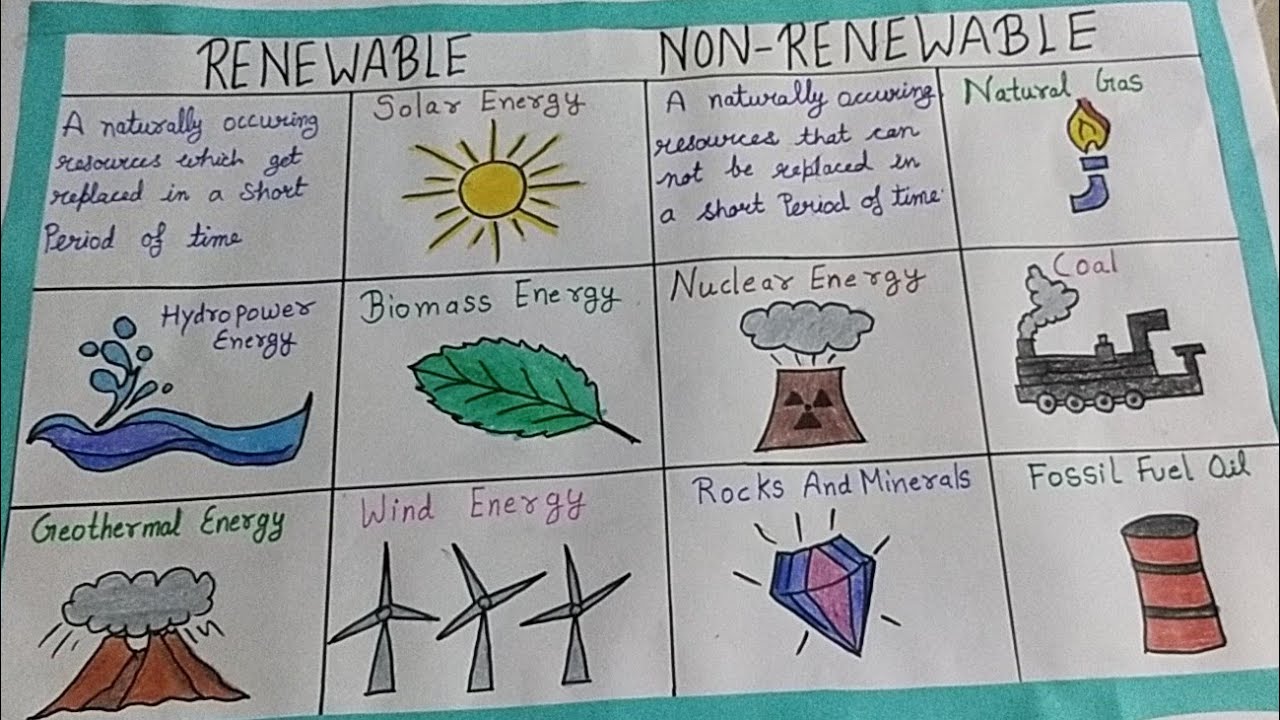
The Cost-Effective Champ (For Now)
Let's be honest, money talks. And for a long time, nonrenewable resources have been the most cost-effective way to generate electricity and power our world. We've spent decades refining the processes and building the infrastructure needed to extract and use these resources efficiently. This means, at least historically, that energy derived from fossil fuels has been relatively cheap compared to some renewable alternatives. This affordability has been a major driver of economic growth and industrial development.
Now, I'm not saying renewables are ridiculously expensive or anything. The price of solar and wind energy has plummeted in recent years, making them increasingly competitive. But the established infrastructure and economies of scale associated with nonrenewable resources still give them a cost advantage in some situations.
A Word of Caution (and Responsibility!)
Before you go off celebrating the awesomeness of fossil fuels, let's be clear: nonrenewable resources are, well, nonrenewable. We're using them up at a rate that's far faster than they can be replenished. They also have significant environmental impacts, from air and water pollution to climate change. This is why it's crucial to transition to a more sustainable energy future. But acknowledging the advantages of these resources allows us to better understand the challenges and opportunities in creating a cleaner, more sustainable future.
Using resources wisely is not just about being environmentally responsible, it’s also about being economically smart! - Sustainably Savvy Sam
So, while we should definitely be working towards a future powered by renewable energy, let's not completely dismiss the role that nonrenewable resources have played and continue to play in our lives. They're like that slightly embarrassing uncle who tells terrible jokes but always manages to get you a fantastic birthday present. We love them despite their flaws, and we hope they'll step aside gracefully as we move towards a brighter, greener future. Until then, let's appreciate the power, reliability, and, yes, even the cost-effectiveness that they sometimes offer!

