Which Is A Renewable Resource Petroleum Wood Iron Coal

Ever played that game, "One of these things is not like the others?" Well, that's essentially what we're doing today, but with a focus on something super important: our planet and its resources! We’re diving into the world of renewable and non-renewable resources, which might sound a bit dry, but trust me, understanding the difference is crucial for a healthy and sustainable future. Plus, it's always good to impress your friends with some cool environmental knowledge, right?
So, the question at hand: Which of these is a renewable resource: Petroleum, Wood, Iron, Coal? Before we give away the answer, let's understand what "renewable" actually means. Think of it like this: a renewable resource is something that can replenish itself naturally over a relatively short period. Imagine a forest growing back after trees are harvested. That's renewal in action!
Why is it so important to distinguish between renewable and non-renewable resources? The answer boils down to sustainability. Non-renewable resources, like coal and petroleum, are finite. They take millions of years to form, and once we use them up, they're gone. Using them at the rate we currently are is like spending all your money at once – eventually, you'll run out! On the other hand, using renewable resources responsibly allows us to meet our needs without compromising the ability of future generations to meet theirs. It's about being a good steward of our planet.
Must Read
Let's break down each option: Petroleum (also known as crude oil) is a fossil fuel. It's formed from the remains of ancient marine organisms that have been subjected to intense heat and pressure over millions of years. Definitely not renewable. Think of gas for your car, or the plastic that makes your phone case - it likely came from petroleum.
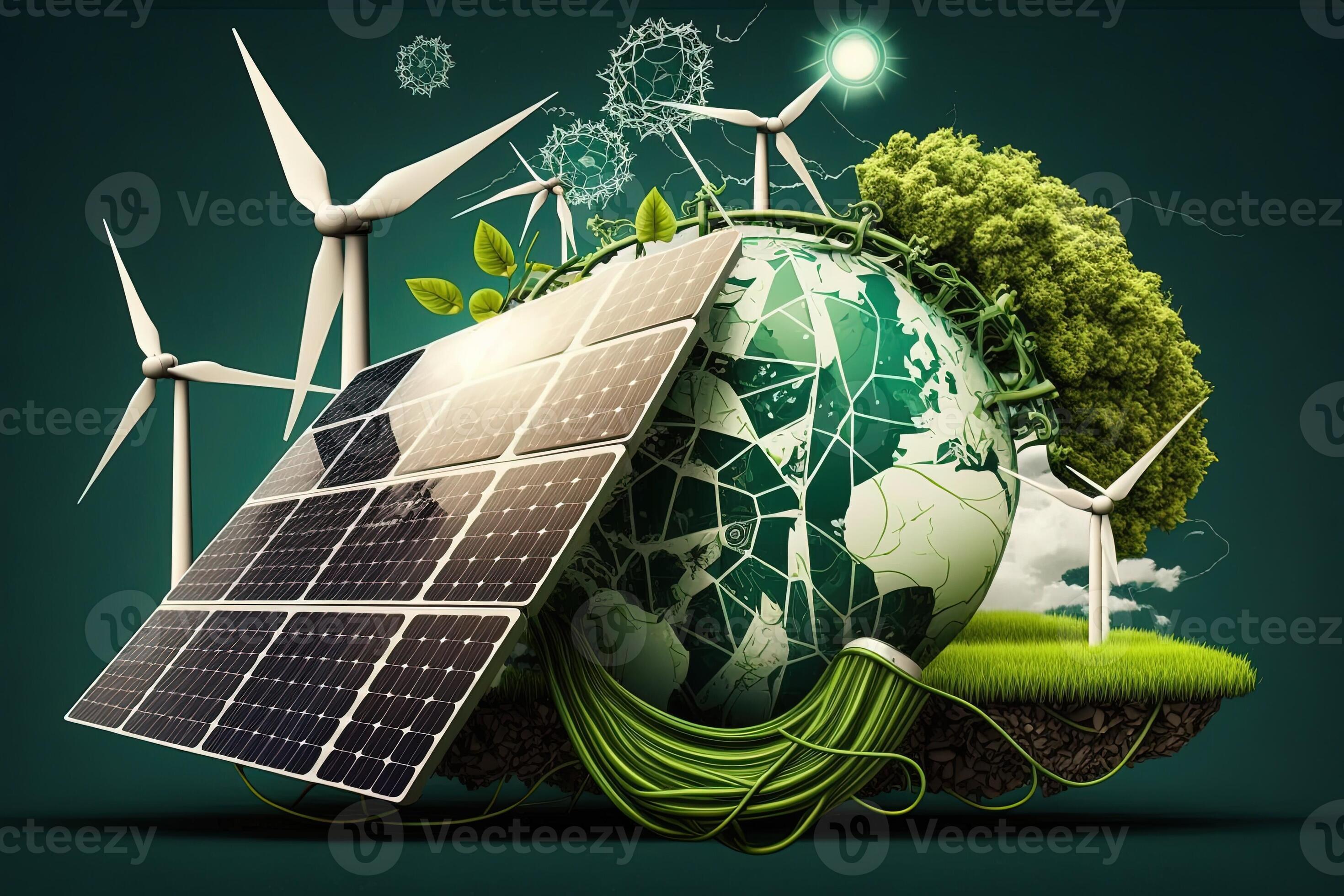
Wood, on the other hand, can be renewable! If we manage forests sustainably – planting new trees to replace the ones we cut down – we can ensure a continuous supply of wood for things like building materials, paper, and even fuel. This is why sustainable forestry is so important. So, wood gets a big checkmark in the "potentially renewable" column. However, it's important to note that irresponsible logging can destroy entire ecosystems and make wood not renewable in practice.
Iron is a metal ore extracted from the earth. While iron itself is abundant, the processes required to extract and refine it are energy-intensive and can have significant environmental impacts. Plus, we're constantly using iron, from bridges to cars, and we're not "growing" new iron deposits. This makes it a non-renewable resource.
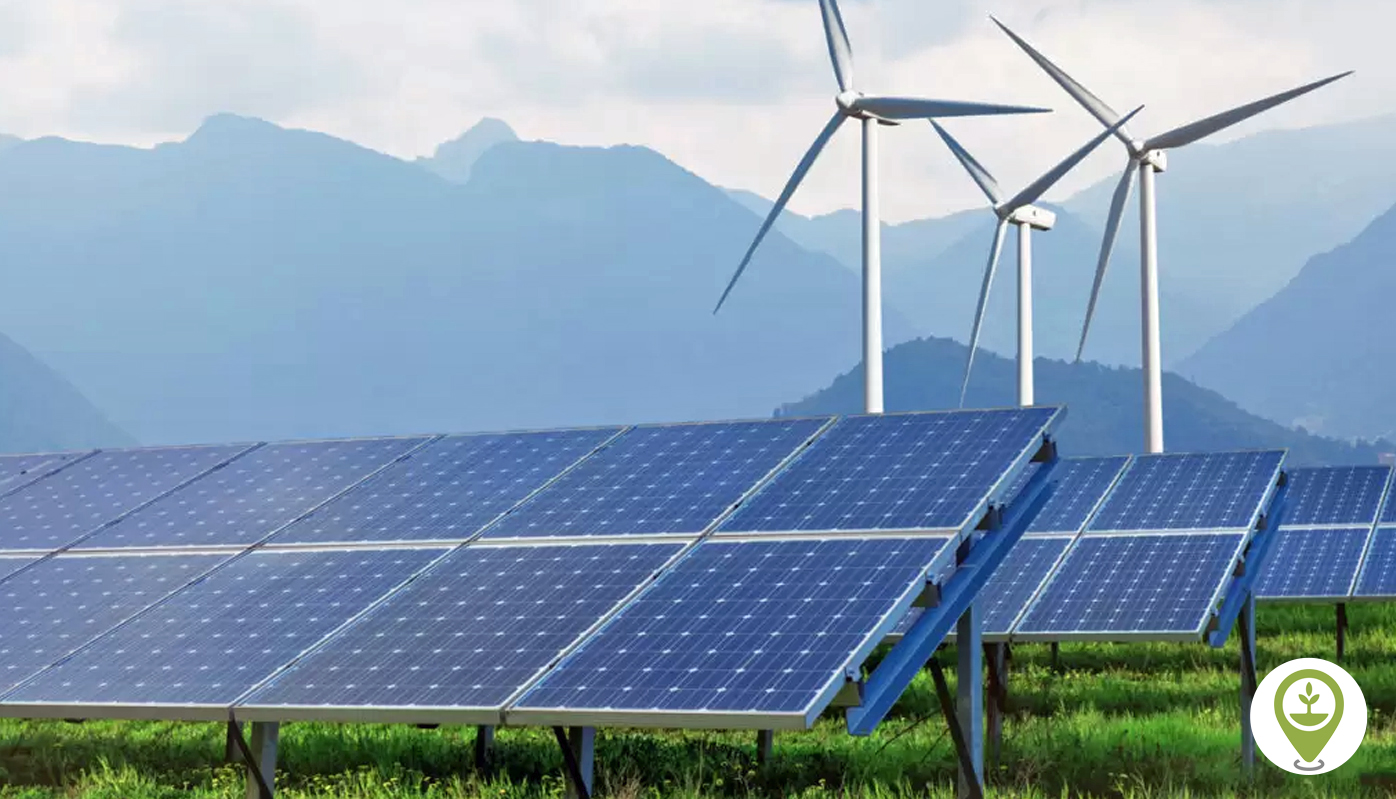
Coal, like petroleum, is a fossil fuel formed from the remains of ancient plants. It's used to generate electricity and in industrial processes. Similar to petroleum, coal takes millions of years to form, making it decidedly non-renewable. Burning coal also releases harmful pollutants into the atmosphere, contributing to climate change.
So, drumroll please... the answer is Wood! But remember, it's potentially renewable, contingent on responsible management. Choosing renewable resources whenever possible is a powerful way we can all contribute to a more sustainable future. By understanding the difference between these resources, we can make informed choices and support practices that protect our planet for generations to come. Think about it next time you're at the grocery store, choosing building materials, or even just turning on the lights! Every little bit helps.