
Which Group Of Electrodes Is Low Hydrogen Type

Ever wondered what welders geek out about when they’re not, well, welding? It's often about choosing the right tools for the job! And that includes those little sticks of metal magic: welding electrodes. But not all electrodes are created equal. Some are like the shy wallflowers of the electrode world, needing special care, while others are robust and ready for anything. Today, we're diving into the fascinating world of low hydrogen electrodes. Get ready, it’s more exciting than you think!
So, What's the Big Deal with Low Hydrogen?
Think of hydrogen as the unwelcome party crasher at a welding fiesta. When too much hydrogen hangs around, it can cause cracks in the weld. These cracks are tiny, but they can weaken the whole shebang. It's like a tiny hole in your favorite inflatable pool toy – eventually, it's going to deflate. Nobody wants a weld that deflates!
Low hydrogen electrodes are specifically designed to minimize the amount of hydrogen that gets introduced into the weld. This means a stronger, more reliable weld that can handle more stress. It's like giving your weld a superhero cape!
Must Read
Which Group Is the Low Hydrogen VIP?
Okay, time for the reveal! In the grand scheme of electrode classification, the 7018 group is often considered the poster child for low hydrogen electrodes. But hey, that’s not the whole story! There are others! Think of it like a super-team, not just one hero.
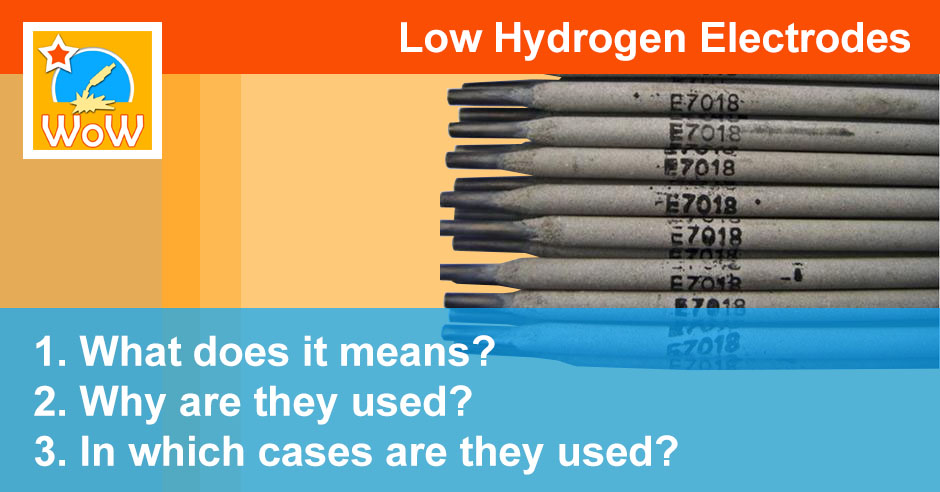
Electrodes with designations like 7015, 7016, and variations of 7018 all fall into this category. These numbers aren't random gobbledygook; they actually tell you a lot about the electrode's properties and how to use it. It's like a secret code, and welders are fluent!
For example, the "70" in 7018 indicates the minimum tensile strength of the weld (70,000 psi). The "1" indicates the welding position (all positions!). The "8" tells you the type of coating and the current to use. The “8” is often linked to a low hydrogen coating type (but always check the manufacturer's data, just to be sure!).
Why the Fuss About 7018?
The 7018 electrode is like the Swiss Army knife of welding. It's versatile, strong, and relatively easy to use (once you get the hang of it). It's a favorite for welding steel structures, pressure vessels, and other critical applications where strength and reliability are paramount. It's the rockstar electrode!
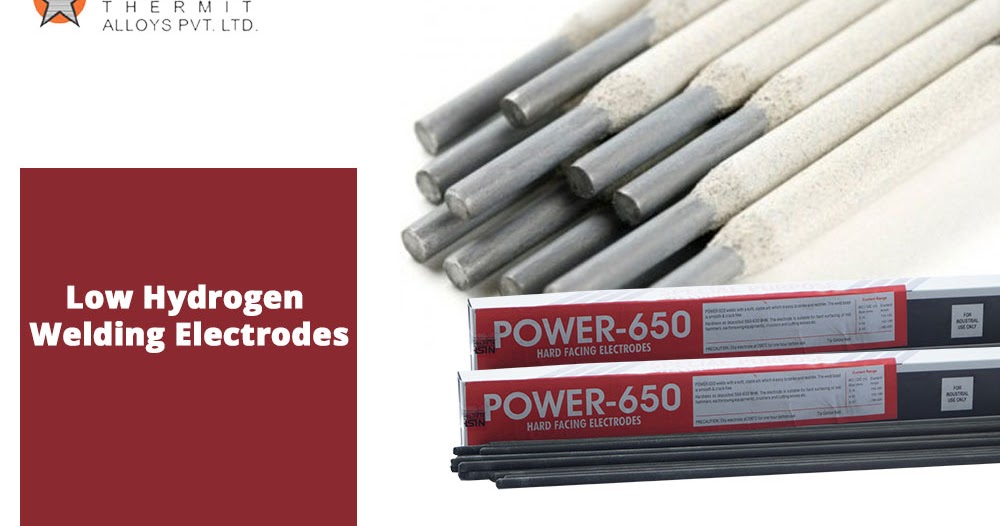
But! And this is a big but, low hydrogen electrodes are divas. They need to be kept dry. Seriously. The coating on these electrodes can absorb moisture from the air, which then introduces hydrogen into the weld. This defeats the whole purpose of using a low hydrogen electrode in the first place!
Treating Low Hydrogen Electrodes Like Royalty
To keep these electrodes happy, welders often store them in special ovens called "rod ovens." These ovens keep the electrodes warm and dry, preventing them from absorbing moisture. It's like giving your electrodes a spa day!

If you're using low hydrogen electrodes, always follow the manufacturer's recommendations for storage and handling. It's also a good idea to re-bake the electrodes if they've been exposed to moisture. This involves heating them in an oven to drive off any absorbed water. Think of it as a little electro-sauna.
So, What's the Takeaway?
Low hydrogen electrodes, particularly the 7018 group and its close relatives, are essential for producing high-quality, crack-resistant welds. They require special care and attention, but the results are worth it. They're like the prima donnas of welding, demanding but delivering amazing performance.
Next time you see a welder using 7018 or another low hydrogen electrode, you'll know they're not just being picky. They're ensuring a strong, reliable weld that will stand the test of time. It's the art of keeping hydrogen at bay and creating something truly awesome. Who knew welding electrodes could be so entertaining?
So, go forth and explore the world of welding electrodes! Who knows, you might just find your new favorite type. Just remember to keep those low hydrogen electrodes dry and happy!
Now, go forth and weld something amazing!