
Which Energy Sources Are Renewable And Nonrenewable

Okay, picture this: I'm trying to roast marshmallows over a campfire. Classic, right? Except, I'm using, like, a mountain of old newspapers because I forgot to buy firewood. Burns fast, smells kinda weird, and my marshmallow catches on fire almost immediately. Not exactly sustainable. (Note to self: always buy firewood!)
That got me thinking about energy sources. Some are like my newspaper bonfire – they burn fast and disappear, while others are more like… well, a perpetually growing tree that keeps giving you wood. (Except way more complicated, obviously.) So, let’s dive into the wild world of renewable versus nonrenewable energy!
What's the Deal? Renewable vs. Nonrenewable
The core difference is simple: renewable energy can be replenished naturally, while nonrenewable energy can't be replenished within a human lifespan. Think of it like this: can you use it forever (more or less) without running out? If so, it's probably renewable.
Must Read
Nonrenewable sources are like that limited-edition vinyl record you cherish. Once it's scratched and worn out, that’s it. You can't just magic up another one. (Unless you're a wizard, in which case, teach me!) These sources take millions of years to form.
Nonrenewable Energy: The Old Guard
Let's start with the OGs – the nonrenewable energy sources. These guys have been powering our world for a long time, but they're definitely not sustainable in the long run. And yeah, they're contributing to some serious climate drama. (Sorry, planet Earth! We're trying to do better!)

- Fossil Fuels: Coal, oil, and natural gas. These are the rockstars of nonrenewable energy. They are formed from the remains of ancient plants and animals. They are cheap (ish) and abundant (ish), but their combustion produces greenhouse gases.
- Nuclear Energy: This is a bit of a tricky one. Nuclear power plants use uranium, which is a nonrenewable resource. But the energy released from a small amount of uranium is massive. Also, it doesn't produce greenhouse gasses while operating! The waste disposal is the real headache.
So, fossil fuels power a lot of our cars, generate electricity, and heat our homes. Nuclear power plants provide a significant chunk of electricity worldwide. The problem? They’re finite resources. (And, you know, potential apocalyptic scenarios. But let’s not dwell on that.)
Renewable Energy: The Up-and-Comers
Now for the heroes of our story: renewable energy sources! These are the energy sources that keep on giving. Think of them as the energizer bunnies of the energy world.
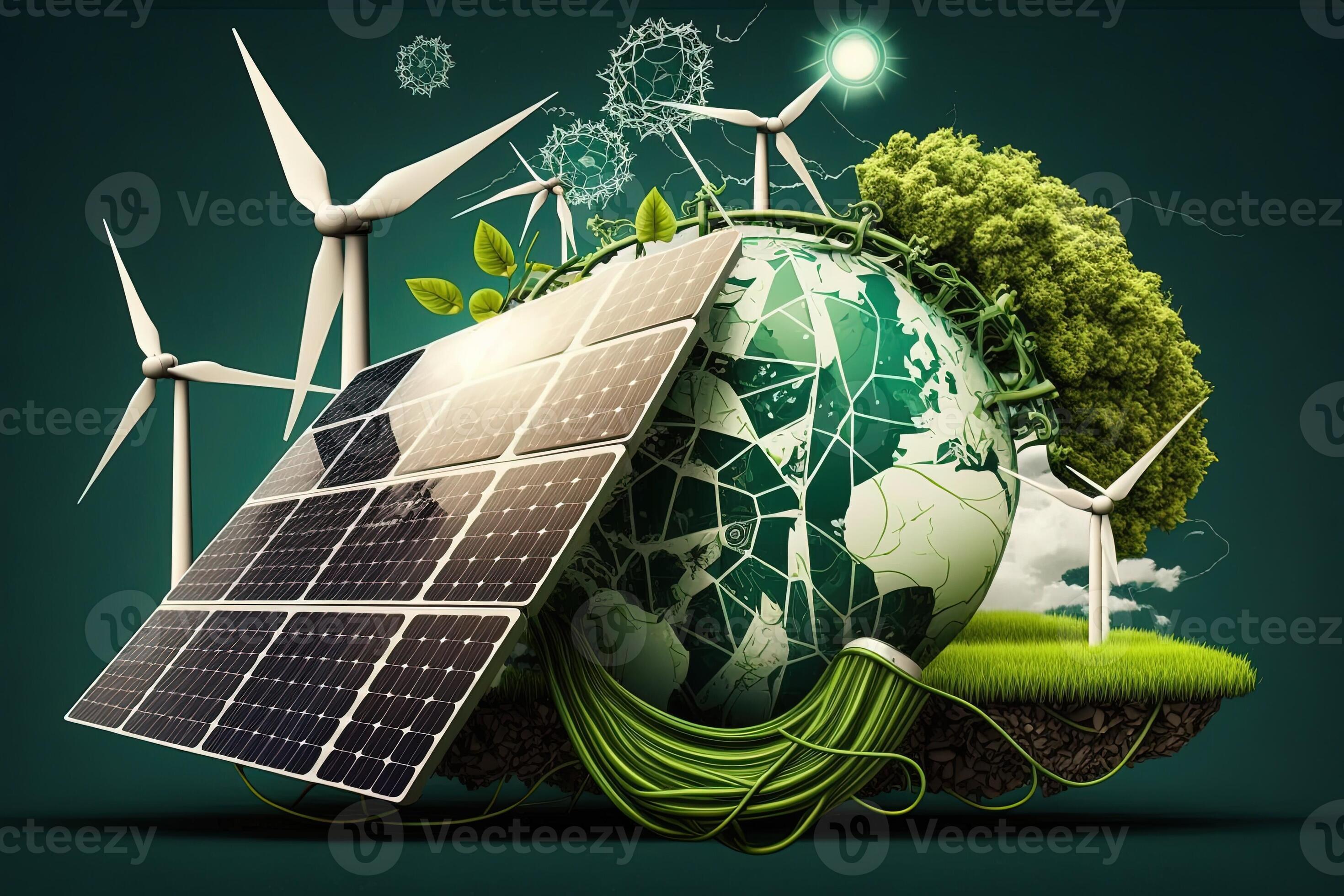
- Solar Energy: Harnessing the power of the sun through solar panels. Free energy from the sky! (Except when it's cloudy. But hey, nobody's perfect.) The cost has been decreasing dramatically in recent years.
- Wind Energy: Using wind turbines to convert wind power into electricity. Giant windmills that look kinda cool (or kinda creepy, depending on your perspective).
- Hydropower: Utilizing the force of moving water (like rivers or dams) to generate electricity. Clean energy, but can have environmental impacts on aquatic ecosystems.
- Geothermal Energy: Tapping into the Earth's internal heat to generate electricity or heat buildings directly. Think Iceland, but everywhere.
- Biomass Energy: Burning organic matter (like wood, crops, or waste) to produce heat or electricity. It can be carbon neutral, but it depends on how sustainably it's managed. My aforementioned marshmallow bonfire could qualify... if I wasn't using newspapers!
These sources are generally much cleaner and more sustainable than nonrenewable sources. They’re also becoming increasingly affordable, which is a huge win! (Go team renewable!)
Why Should You Care? (The Real Talk)
Okay, so you know the difference between renewable and nonrenewable. Why should you even bother? Simple: climate change, air pollution, and the future of our planet. Nonrenewable energy sources are a major contributor to climate change, releasing greenhouse gasses that trap heat and warm the planet. (Yup, that's bad.)
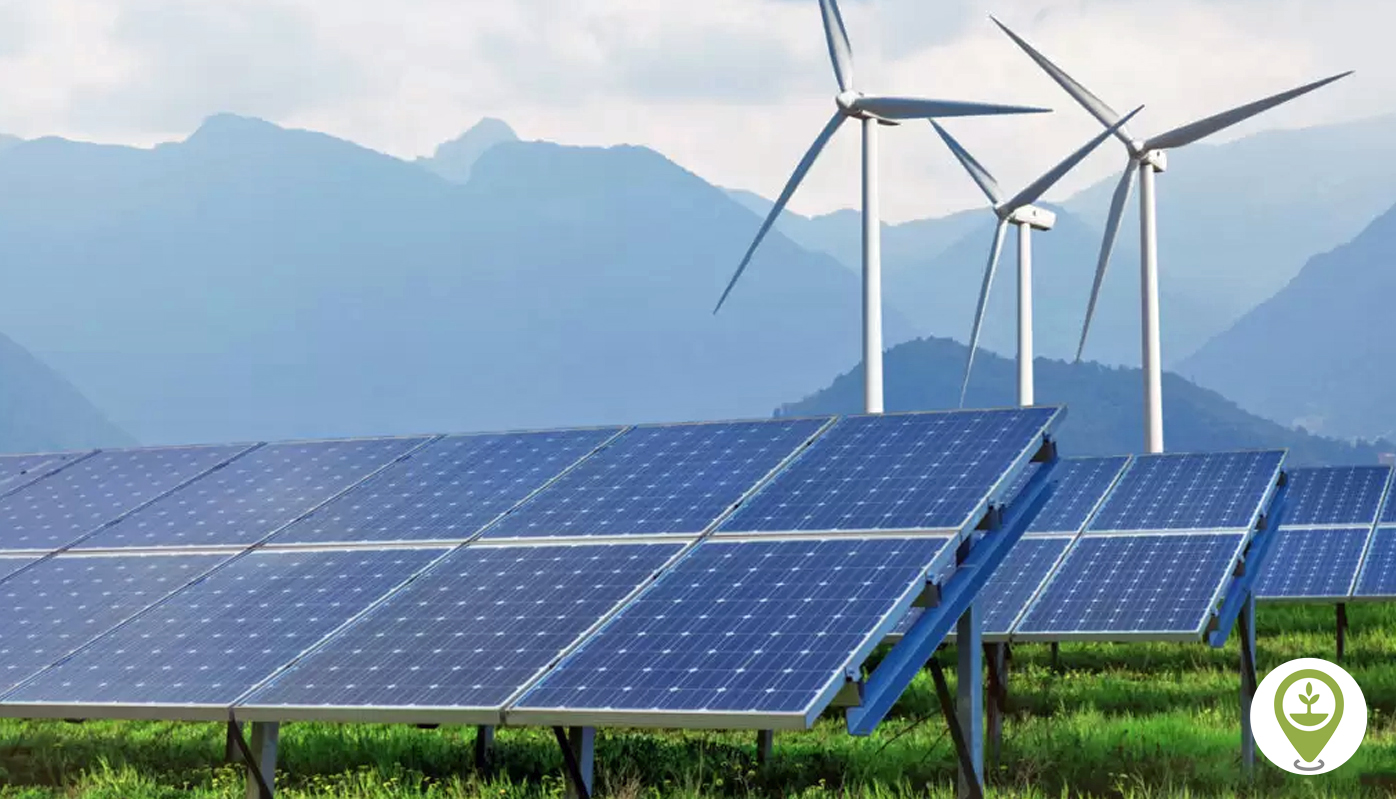
Renewable energy offers a path to a cleaner, more sustainable future. Plus, they create jobs! And reduce our dependence on foreign oil! It's a win-win-win!
So, next time you flip a light switch or drive your car, think about where that energy is coming from. And maybe, just maybe, consider making a switch to renewable energy. Our planet will thank you for it. (And, you know, future generations too.)
Now, if you'll excuse me, I'm going to go plant a tree. You know, for... uh... energy purposes. (And maybe some future marshmallow roasts.)
