Which Element Is Nuclear Fusion Least Likely To Produce

Nuclear fusion! It sounds like something straight out of a sci-fi movie, doesn't it? A limitless power source, stars being born... it's captured the imagination of scientists and artists alike for decades. But beyond the fantastical, understanding even a tiny bit about fusion opens a fascinating window into the very building blocks of the universe. And believe it or not, it can even spark your creativity! So, let's dive in, shall we?
For artists, hobbyists, and even casual learners, the concept of nuclear fusion provides a wealth of inspiration. Imagine painting a sunrise, now understand the processes that create that very light. Consider sculpting a star, now knowing that the heavier elements within it are forged in the crucible of its core. Even something as simple as choosing colors becomes more meaningful when you understand the electromagnetic spectrum and the energy associated with different wavelengths. Knowledge about fusion offers a new layer of appreciation and depth to any creative pursuit. It can inspire new styles, new subjects, and entirely new ways of thinking about the world around you.
Think about it: you could create abstract art representing the incredible energy released during fusion. Visualize swirling plasma in vibrant reds, oranges, and yellows. Or perhaps you prefer a more representational style? Paint a nebula, born from the remnants of a supernova, where heavier elements are scattered across the cosmos. Sculpt a model of a star, illustrating the different layers and the ongoing processes within. You could even compose music that mimics the rhythmic pulse of fusion reactions, using different instruments and tempos to represent different elements and energies.
Must Read
Now, before you rush out to build your own fusion reactor (please don't!), let's focus on a more manageable question: Which element is nuclear fusion least likely to produce? The answer, surprisingly, is iron. Fusion typically builds heavier elements from lighter ones. However, fusing elements lighter than iron releases energy, while fusing elements heavier than iron requires energy. Iron sits at a sort of energetic "valley" – it's the point where adding more protons and neutrons becomes energetically unfavorable through fusion alone. To get heavier elements, you need processes like supernova explosions, which provide the extreme conditions necessary to overcome this energy barrier. This is why iron is so abundant in the universe – it's a sort of "dead end" for typical stellar fusion.

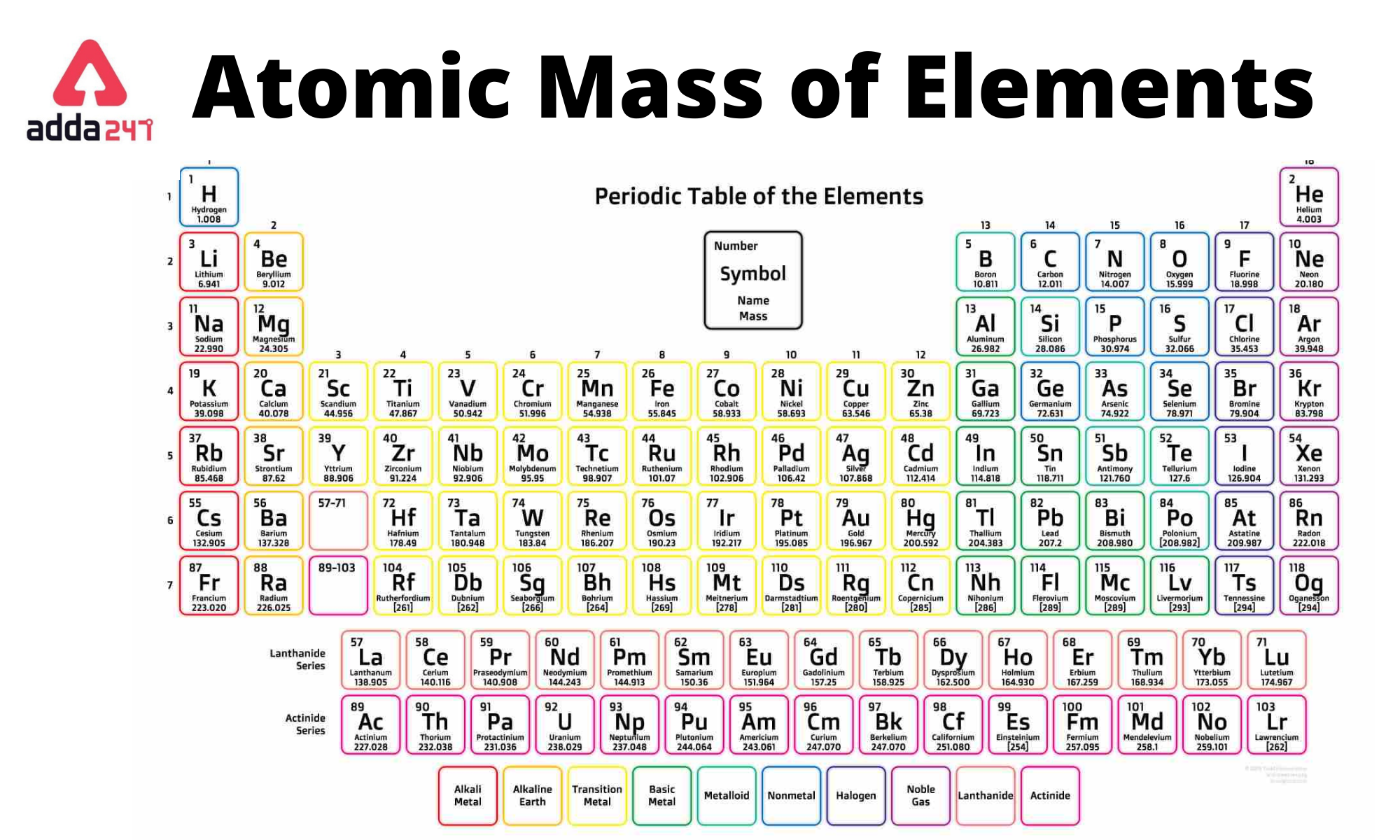
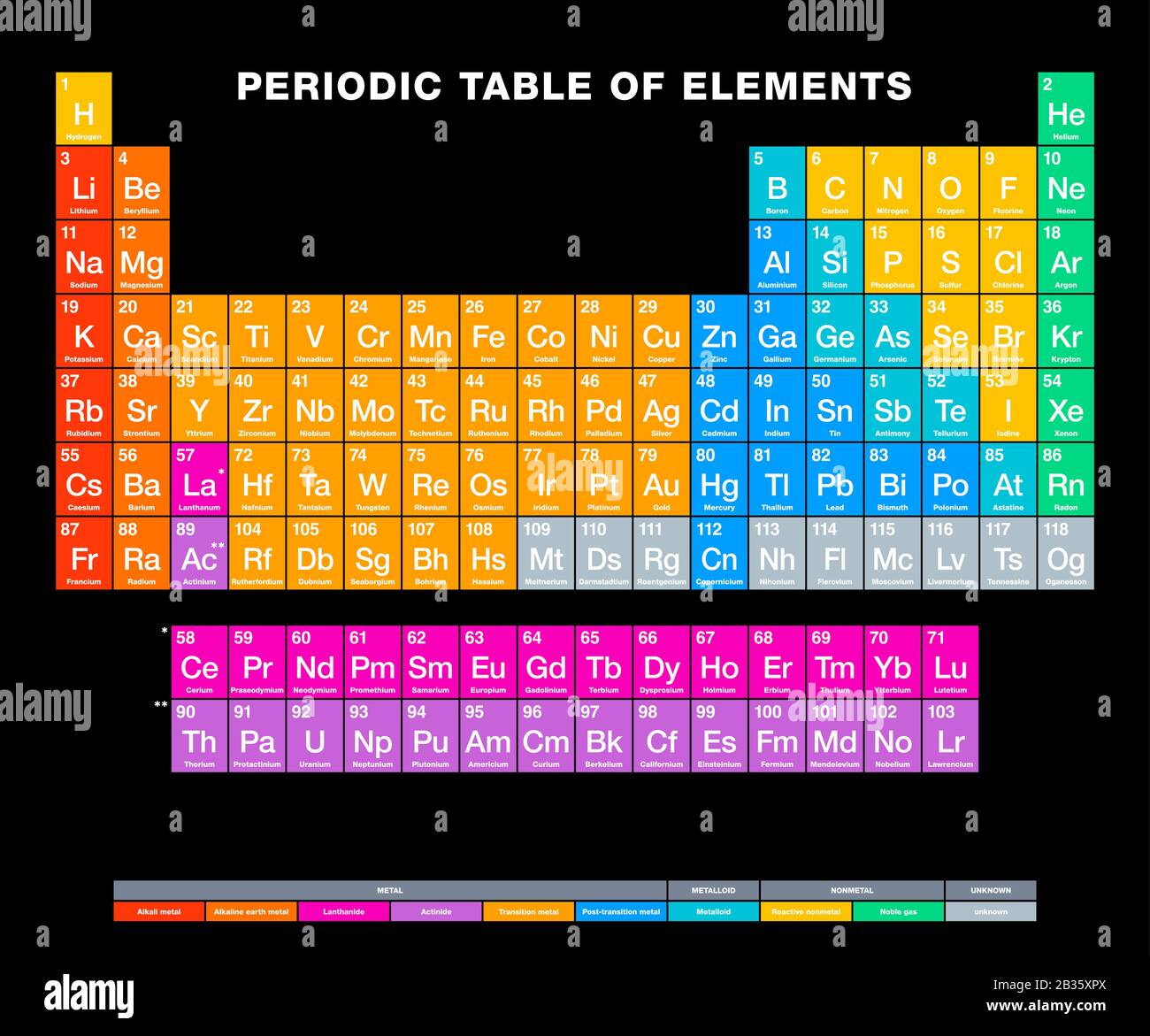
You might be wondering, how can I “try this at home”? Well, you won't be creating fusion, but you can explore the concept through artistic mediums. Create a visual representation of the periodic table, highlighting the elements created primarily through fusion and those created through other processes like supernovae. Use different colors and textures to represent the different energy levels associated with each element. Or, research the different types of fusion reactions that occur in stars and create a storyboard illustrating the process, even making a stop-motion animation! The key is to engage with the information in a creative and hands-on way.
Ultimately, exploring the science behind something like nuclear fusion is enjoyable because it connects us to something much larger than ourselves. It provides a glimpse into the inner workings of the universe, fosters a sense of wonder, and empowers us to see the world in a new light. It’s not about becoming a nuclear physicist overnight; it’s about embracing curiosity, engaging your imagination, and finding new ways to express your understanding of the cosmos. So, go ahead, let the power of the stars inspire you!
/periodic-table-of-the-elements-2017--illustration-769723031-5ac10eb6a9d4f9003769784d.jpg)