
Which Electronic Transition Is The Lowest Energy

Ever wondered what's the laziest electron move? The lowest energy electronic transition is like the electron's equivalent of hitting the snooze button! It's all about moving with minimal effort. Think of it as the electron taking the stairs instead of the elevator.
The Electronic World: A Tiny Dance Floor
Imagine electrons as tiny dancers, bopping around atoms and molecules. They love moving from one energy level to another. These energy levels are like different floors in a building, or different steps in a staircase.
Moving between these floors (or steps) requires energy. Some moves need a big jump, others just a little shimmy. The lowest energy transition? It's the smallest shimmy of them all!
Must Read
What's a Transition, Anyway?
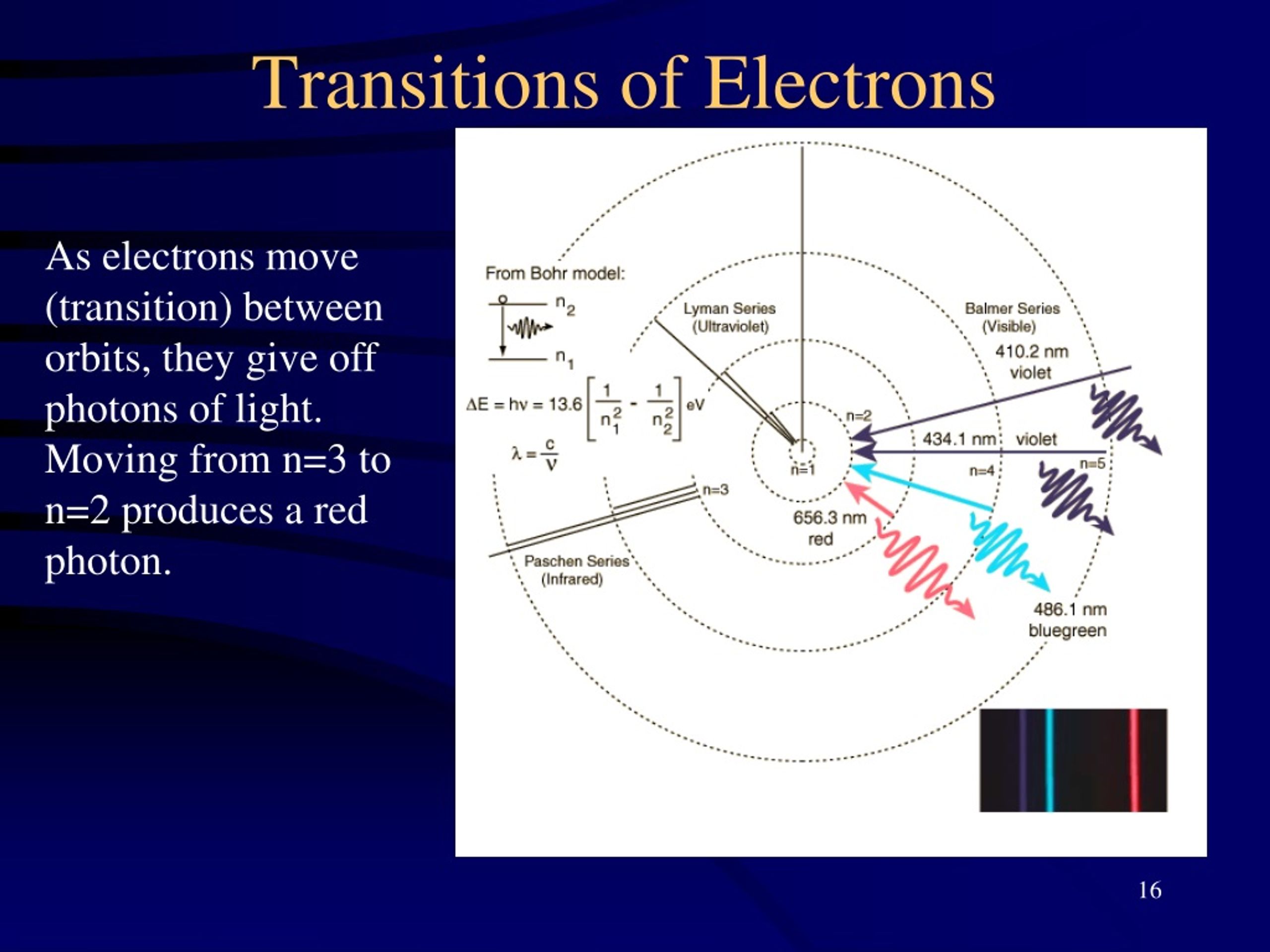
A transition is simply an electron moving from one energy level to another. This is triggered by absorbing a photon of light.
Think of a photon as a tiny energy package. The electron absorbs the photon and uses that energy to jump to a higher energy level.
The lower the energy of the photon, the smaller the jump. So, a low-energy transition requires a low-energy photon.
The Starring Role: Sigma to Pi* Transitions
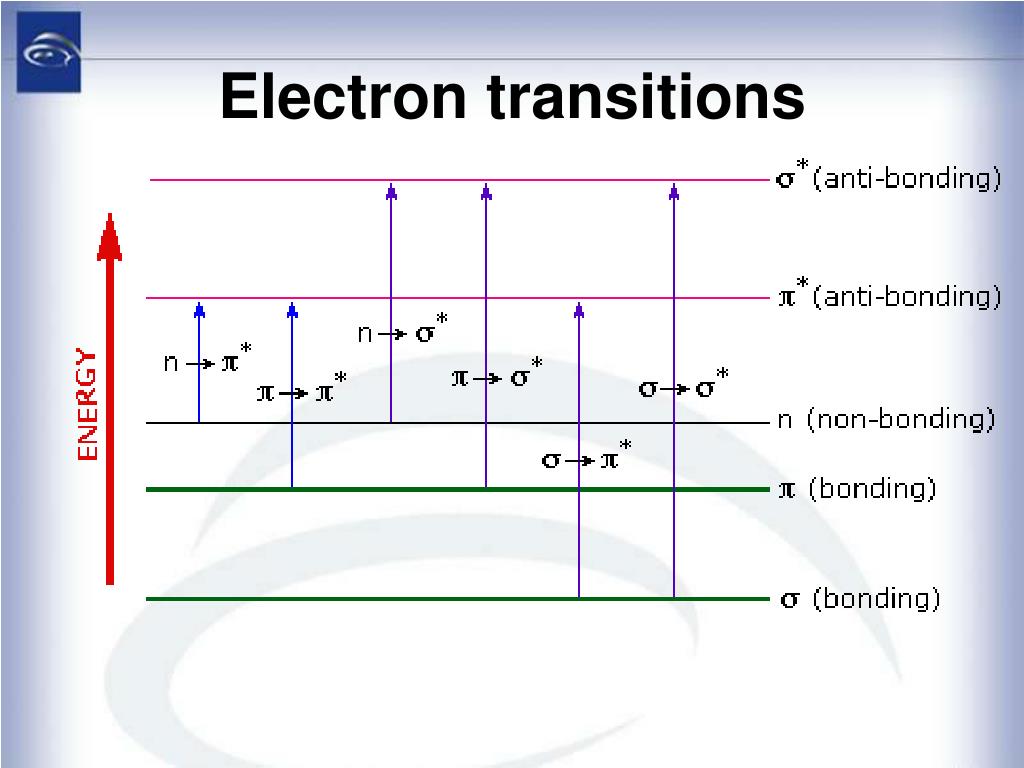
One of the most common low-energy transitions involves moving an electron from a sigma (σ) bonding orbital to a pi* (π) antibonding orbital.
These orbitals are like special dance floors for electrons. The sigma orbital is a stable, low-energy dance floor, whereas the pi orbital is less stable.
Basically, the electron is moving from a comfortable spot to a slightly less comfortable one. It takes just a little "oomph".
Why So Special?
These transitions are important for several reasons. They often occur in the visible or ultraviolet region of the electromagnetic spectrum.
This means we can detect them using spectrophotometers. We can learn a lot about a molecule's structure and properties just by studying these transitions.

It’s like peeking at their tiny electron dance moves and deducing the whole choreography of molecule!
The Chromophore Connection
Molecules containing specific groups of atoms, called chromophores, are particularly good at exhibiting these low-energy transitions.
Chromophores are like the "highlight reels" of molecules. They're the parts that are responsible for absorbing light and giving the molecule its color. Think of them as molecular spotlights!
These chromophores often contain double or triple bonds. These bonds are where the sigma to pi* transitions love to hang out. These bonds are important for the transition.
The Role of Conjugation
Conjugation, or alternating single and double bonds, lowers the energy even further. Imagine conjugation as extending the dance floor!
The more conjugated the system, the easier it is for electrons to move around. This means the lower the energy needed for the transition. This lowers the energy needed for the transition!
Beta-carotene, the pigment that gives carrots their orange color, is a prime example of a highly conjugated system. It absorbs blue light, and reflects back the orange and red light.
Color Me Curious
The fact that some substances are colored is directly related to these low-energy electronic transitions. The color we perceive depends on the wavelengths of light that are absorbed and reflected.

If a molecule absorbs a specific wavelength of light in the visible region, the remaining wavelengths are reflected back to our eyes. That’s how we see color!
So, the next time you admire a colorful flower or a vibrant painting, remember that you're witnessing the magic of electronic transitions! It’s all about the dance of electrons.
Applications Galore
Understanding these transitions has numerous practical applications. It is used in designing dyes, developing new materials, and analyzing chemical compounds.
For example, in dye chemistry, scientists carefully select chromophores to create dyes that absorb specific colors of light.
Spectroscopy, a technique that measures how substances absorb light, heavily relies on the principle of electronic transitions. Spectroscopy is very useful.
Spectroscopy: The Electron's Report Card
Spectroscopy is a powerful tool for understanding the electronic structure of molecules. It is like getting a report card for electrons!
By analyzing the wavelengths of light that are absorbed by a substance, we can identify the types of electronic transitions that are occurring. It is a complex process.
This information can then be used to determine the molecule's composition, structure, and other properties. Analyzing electronic transitions and structures is fascinating!
Pushing the Boundaries: Other Low-Energy Options
While sigma to pi* transitions are common, other types of low-energy transitions exist. These include d-d transitions in transition metal complexes.
Transition metals have partially filled d-orbitals. These are like special, secondary dance floors that only these metals get to use!
Electrons can move between these d-orbitals with relatively little energy input. These d-d transitions are responsible for the vibrant colors of many transition metal compounds.
Charge Transfer Transitions: A Quick Swap
Another type of transition involves the transfer of an electron from one part of a molecule to another. These are called charge transfer transitions.
Imagine one part of the molecule "donating" an electron to another part. This can occur if one part of the molecule is particularly electron-rich and another part is electron-poor.
Charge transfer transitions are often observed in complexes where a metal ion is bound to a ligand. These are commonly observed in metal complexes.
Environmental Influences
The energy of these transitions can be affected by the environment around the molecule. The solvent, temperature, and presence of other molecules can all play a role.
For example, the color of a solution can change depending on the solvent it's dissolved in. This is because the solvent can stabilize or destabilize the different energy levels of the molecule.
Think of it as changing the lighting on the dance floor. The dancers (electrons) might move a little differently depending on the lighting conditions.
The Big Picture
So, what have we learned? The lowest energy electronic transition is all about electrons making small, relatively easy jumps between energy levels.
These transitions are responsible for the colors we see, and they play a vital role in many scientific and technological applications. These applications are fascinating.
Understanding these transitions allows us to unravel the secrets of molecules and materials. It unlocks a whole new level of understanding!
A World of Discovery Awaits
The world of electronic transitions is full of fascinating details and unexpected discoveries. It is a very complex topic!
From the vibrant colors of nature to the advanced technologies that shape our world, these transitions are at the heart of it all. This is the heart of it all!
So, the next time you hear about electronic transitions, remember the tiny electron dancers and their effortless shimmies. Maybe even look into it further! It is an exciting journey into the quantum world. You won't regret it!