
Which Electric Heaters Use The Least Electricity

Okay, folks, let's talk electric heaters! Winter's creeping in, and nobody wants to freeze their socks off. But nobody wants a monstrous electricity bill that'll make their bank account cry, either. So, the burning question (pun intended!) is: which electric heater sips power like a hummingbird at a flower, instead of guzzling it like a thirsty elephant at a watering hole?
The Heater Hunger Games: A Rundown
First, let's acknowledge the obvious: all electric heaters basically turn electricity into heat. That's their whole job. It's like a toaster, but on a grander, room-warming scale. The key difference isn't how they make heat, but how efficiently they spread it around. Think of it like this: you can try to dry your hands with a single sheet of paper towel or a whole bunch. One is simply more efficient.
The Usual Suspects, Ranked by Thirst (for Electricity)
We're diving into the electric heater hall of fame, judging them on their ability to keep you cozy without bankrupting you. Let the games begin!
Must Read
1. Radiant Heaters: The Laser Focus of Warmth
Imagine the sun, but smaller, and confined to your living room. Radiant heaters, like infrared heaters, beam warmth directly onto you. This is great if you're just trying to warm yourself up while you're sitting at your desk. The downside? They only heat what's directly in front of them. So, if you move, the warmth vanishes. It's like trying to high-five a ghost.
The Verdict: Energy-efficient for personal heating. Perfect for a quick, focused blast of warmth, but not ideal for heating a whole room.

2. Convection Heaters: The Room-Warming Champion (with a Catch)
These heaters work by heating the air around them, which then rises and circulates, warming the entire room. Think of them as the 'social butterflies' of the heater world, spreading the warmth to everyone. Oil-filled radiators are a type of convection heater, and they're known for their ability to retain heat even after they're switched off. This 'residual warmth' can save you a few pennies!
The Verdict: Good for consistent, whole-room heating, but can be a bit slower to warm up initially. Oil-filled radiators are generally considered more efficient than other convection heaters.
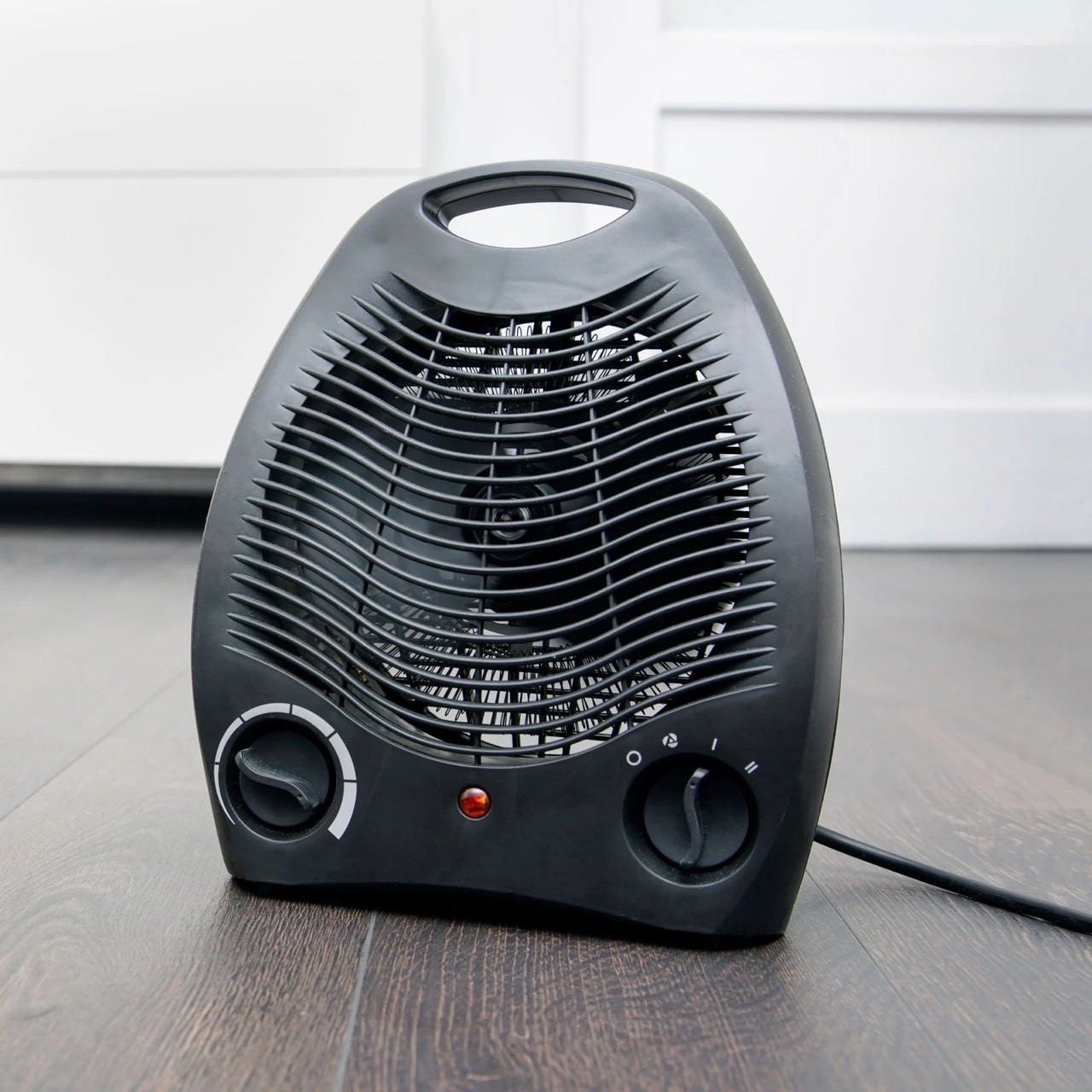
3. Fan Heaters: The Speedy Gonzales of Warmth (But Beware!)
Fan heaters use a fan to blow hot air into the room, offering near-instant warmth. They are super quick to heat up a small space. This can be great for smaller spaces, but remember that a small space heated to the max is a small space wasting money.
The Verdict: Fast and effective for small spaces, but can be energy-guzzling if used for extended periods or to heat larger rooms. Think of it as a sprint, not a marathon.
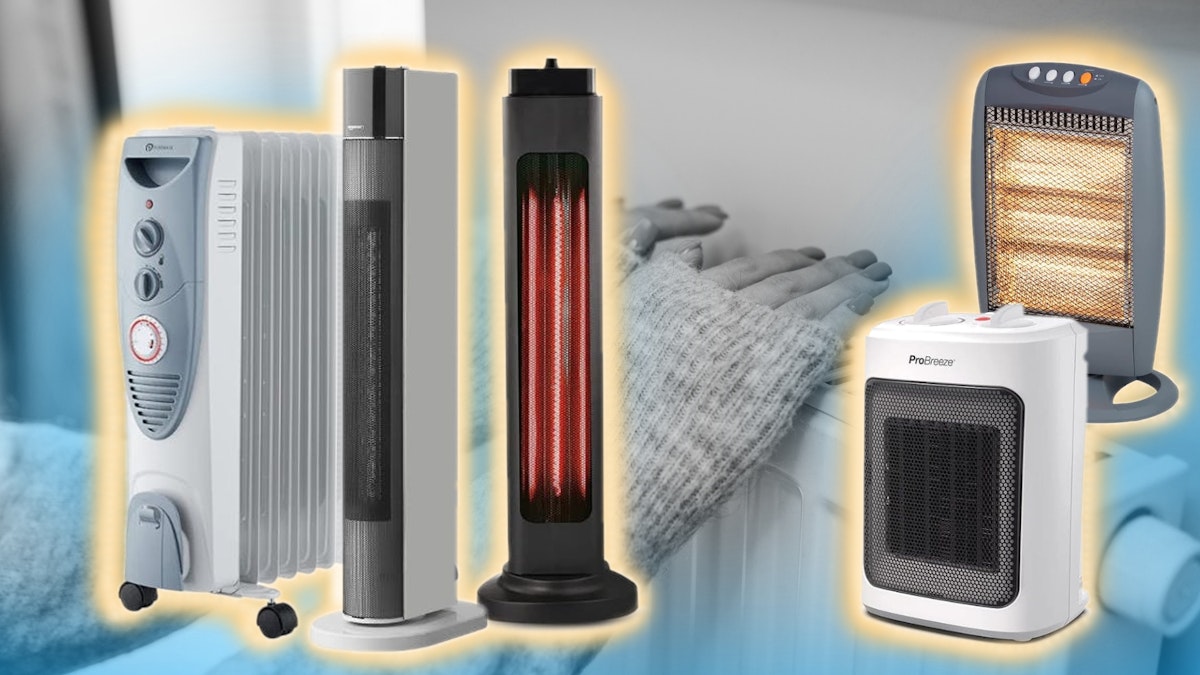
4. Ceramic Heaters: The Balancing Act
Ceramic heaters are sort of the middle ground. They use ceramic plates to heat up and often have a fan to circulate the warm air. They're generally more energy-efficient than fan heaters but less so than radiant heaters for personal use. They're also relatively safe, as the ceramic plate doesn't get as hot as the coils in a fan heater.
The Verdict: A decent all-rounder. They provide a balance of speed, efficiency, and safety, making them a popular choice for many households.

The Secret Weapon: Smart Thermostats!
No matter which heater you choose, the biggest energy saver is a good thermostat. Setting it to a comfortable but reasonable temperature (say, 68-70°F or 20-21°C) and avoiding the urge to crank it up to "tropical paradise" mode will make a huge difference. Programmable thermostats are even better, allowing you to automatically lower the temperature when you're asleep or away from home.
Remember, every degree counts! Lowering the thermostat by just a few degrees can save you a significant amount of money over time.
The Bottom Line: It's All About Usage
Ultimately, the "most efficient" electric heater is the one you use wisely. Using a radiant heater to warm yourself at your desk is way more efficient than blasting a fan heater in an empty room. Choosing the right heater for the specific situation and using it judiciously is the key to staying warm without breaking the bank.
So, go forth, conquer the cold, and keep your electricity bill happy! Stay warm!